Key takeaways
- Recycled HDPE reuses post-consumer plastic and never needs sealing
- Exceptional weather resistance means decades of use, not seasons
- Sustainably sourced teak is renewable and fully biodegradable
- Both materials avoid the frequent replacement cycle of cheap furniture
“Eco-friendly” gets stamped on a lot of patio furniture, but the label only means something when you understand the materials behind it. Recycled HDPE, sustainably harvested teak, and low-impact finishing oils each carry a very different environmental story, and each performs differently on your patio. We took a close look at the current crop of green outdoor furniture, led by the Polyhouz All-Weather HDPE Dining Table Set for 8, to separate genuine sustainability from marketing gloss.
This review evaluates the leading eco-friendly outdoor furniture materials of 2026 on their environmental credentials, durability, and real-world livability. If you want a patio that looks good and lets you feel good about what it is made of, here is what actually holds up.
Our top picks


As an Amazon Associate we earn from qualifying purchases at no extra cost to you.
⚡ Save on Your Next PC — Amazon Prime
Prime members get fast free shipping on the systems above, plus early access to Prime Day & Black Friday PC deals. New members get a 30-day free trial.
Watch: Review: Eco-Friendly Outdoor Furniture Materials — Video Review
Design & Build
Recycled HDPE (high-density polyethylene) is the star of eco-friendly outdoor furniture, and the Polyhouz dining set for 8 shows why. Made from post-consumer plastic like milk jugs and bottle caps, HDPE diverts waste from landfills and turns it into heavy-duty lumber that mimics painted wood. It arrives weather-ready with no sealing required, and sets like the HDPE 6-Piece Modular Furniture Set and the EcoVida Outdoors 5-Piece HDPE Set prove the material scales from small bistros to full dining suites.
Performance
Where HDPE earns its reputation is longevity. It will not rot, crack, splinter, or absorb water, and UV-stabilized formulas resist fading for years of full-sun exposure, meaning the furniture stays out of the waste stream far longer than cheap alternatives. That durability is itself an environmental win: the greenest furniture is the kind you never have to replace. Real-wood options like teak, maintained with a low-VOC product such as Nordicare Teak Oil, offer a renewable, biodegradable path with equally impressive lifespans when cared for.
Pros & Cons
- Recycled HDPE reuses post-consumer plastic and never needs sealing
- Exceptional weather resistance means decades of use, not seasons
- Sustainably sourced teak is renewable and fully biodegradable
- Both materials avoid the frequent replacement cycle of cheap furniture
- HDPE is heavier than aluminum or wicker, so pieces are harder to move
- Genuine recycled HDPE and FSC teak cost more up front than particleboard or plastic
- Teak requires periodic oiling to keep its color and resist weathering
Alternatives to Consider
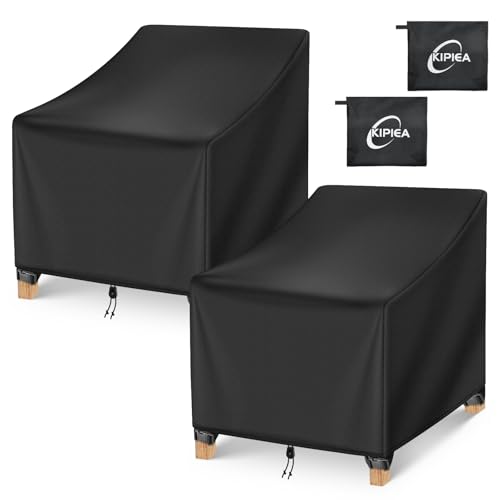
Beyond HDPE, look at contract-grade weatherproof sets like the Milane 3-Piece Fade-Resistant Outdoor Lounge Set for durable comfort, or extend the life of any wood furniture with Nordicare Teak Oil, an outdoor wood oil and sealer that keeps teak and acacia protected. To make existing pieces last longer rather than replacing them, protective covers such as the Christopher Knight Home Islay club chair covers shield furniture through the off-season, arguably the most eco-friendly move of all.
Frequently Asked Questions
Is recycled HDPE furniture actually durable?
Very. HDPE resists rot, water, insects, and UV fading, and it will not splinter or crack. Well-made sets routinely last 15 to 20 years or more outdoors, which is a core part of their green appeal.
Which is greener, HDPE or teak?
Both are strong choices. Recycled HDPE reuses plastic waste and needs zero maintenance; sustainably harvested (FSC-certified) teak is renewable and biodegradable but needs occasional oiling. The best pick depends on whether you prioritize waste reduction or natural materials.
Does eco-friendly furniture require special care?
HDPE needs only soap-and-water cleaning. Teak and other woods last longest with a coat of protective oil once or twice a year. Using covers in the off-season extends the life of any material.
Is HDPE furniture heavy?
Yes, noticeably heavier than aluminum or wicker, which is a plus for stability in wind but a minus if you rearrange your patio often. Factor the weight in if pieces will move frequently.
Verdict
Recycled HDPE, as seen in the Polyhouz and EcoVida sets, is the standout eco-friendly outdoor material of 2026, combining post-consumer plastic reuse with a lifespan that keeps furniture out of landfills for decades. Sustainably sourced teak, maintained with a low-VOC oil, is an excellent natural alternative for those who prefer wood. Either way, the greenest patio is a durable one, so buy well made, maintain it, and let it last.