Key takeaways
- Initial Purchase: A quality cedar kit with 1-inch thick boards typically costs around $150. A premium composite kit of the same size costs approximately $220.
- Year 1: Both beds are assembled and filled with soil. No extra costs are incurred.
- Year 2: The cedar bed begins to show signs of weathering. To prevent premature rotting and drying out, you purchase a food-safe, non-toxic wood sealer for $35 and spend an afternoon applying it. The composite bed requires only a 5-minute rinse with a garden hose (cost: $0).
- Year 3: The cedar wood continues to expand and contract. You may need to tighten a few loose screws or reinforce a corner joint (cost: $5 in hardware). The composite bed remains perfectly structurally aligned.
- Year 4: The cedar bed requires another coat of food-safe sealer to maintain its structural integrity and slow down graying (cost: $35). The composite bed looks exactly the same as the day it was bought.
- Year 5: By year five, some thin cedar boards may begin to show soft spots or minor bowing near the soil line, requiring a board replacement in the near future. The composite kit remains completely unaffected.
For many homeowners, setting up a backyard garden is a rite of passage. It is a commitment to slower living, fresh produce, and elevated outdoor aesthetics. However, before you can harvest your first heirloom tomato, you must make a foundational decision regarding your garden architecture. The debate of cedar vs composite raised garden bed kits is one of the most common dilemmas facing modern gardeners today.
This decision is not merely about choosing a color or a price point. It is a choice between two distinct philosophies of home ownership. On one side stands natural cedar, a material deeply rooted in traditional craftsmanship, characterized by its organic warmth, rustic patina, and natural aromatic oils. On the other side is engineered composite, a modern champion of durability, modular design, and zero-maintenance longevity.
Our top picks


As an Amazon Associate we earn from qualifying purchases at no extra cost to you.
As we plan our outdoor spaces for 2026, the criteria for selecting garden furniture and structures have evolved. Homeowners now prioritize long-term performance, ecological footprints, and assembly ease. While some gardeners prefer the classic look of thick timber, others lean toward the clean, splinter-free lines of manufactured composites. In this comprehensive editor’s guide, we will break down how these materials compare across every critical metric, helping you choose the perfect kit for your backyard layout.
Quick Verdict
If you prioritize natural beauty, organic soil contact, and a lower upfront purchase price, choose a cedar raised garden bed kit. Cedar offers excellent thermal insulation for plant roots and ages to a graceful silvery-gray. However, it will eventually rot and require replacement after 8 to 15 years.
If you want a permanent, set-it-and-forget-it installation that will not rot, splinter, or warp for over 20 years, choose a composite raised garden bed kit. While the initial investment is higher, composite kits save you time and money on maintenance, sealing, and replacement parts over the lifetime of your garden.
Side by Side
To help you weigh your options at a glance, this comparison table matches cedar and composite kits across eight essential home-buying criteria.
| Criteria | Cedar Raised Garden Bed Kits | Composite Raised Garden Bed Kits |
|---|---|---|
| Comfort & Assembly | Requires basic tools (drill/screwdriver); natural wood can have rough edges or minor splinters. Lightweight to carry. | Often tool-free snap-lock or slide-in bracket joints; incredibly user-friendly, uniform, and completely splinter-free. |
| Durability | Naturally rot-resistant but susceptible to gradual decay, insect boring, and weathering over 8 to 15 years. | Virtually impervious to rot, insects, mold, and warping. Expected lifespan of 20 to 30+ years. |
| Price Range | $80 to $250 for standard sizes (e.g., 4×4 ft. or 4×8 ft. kits with 1-inch thick boards). | $100 to $400+ depending on wall thickness, height, and simulated wood-grain finishes. |
| Maintenance | Moderate. Needs annual cleaning; requires food-safe oiling or sealing every 2 to 3 years to maximize lifespan. | Zero maintenance. Requires only an occasional spray with a garden hose to remove dirt or algae. |
| Space Needed | Best for open yards or established garden plots. Rigid sizing; harder to customize post-assembly. | Excellent for tight spaces, patios, or sloped yards. Highly modular, stackable, and easy to expand. |
| Look & Aesthetics | Warm, rustic, and organic. Develops a beautiful weathered-gray patina over time that blends into nature. | Modern, clean, and uniform. Available in various colors (brown, gray, black) that resist fading. |
| Resale Value | Adds classic curb appeal to rustic homes, but weathered wood may look “old” to buyers if not maintained. | Maintains a neat, high-end, and permanent look that appeals to buyers seeking low-maintenance landscaping. |
| Best For | Traditional gardeners, DIY enthusiasts, and those seeking an organic, classic backyard aesthetic. | Busy homeowners, families with kids, urban patios, and gardeners looking for a lifetime installation. |
Where Cedar Wins
Natural cedar has been the gold standard for outdoor structures for centuries, and for good reason. The primary driver behind cedar’s popularity is its natural chemical makeup. Cedar wood contains organic compounds called thujaplicins, which act as natural preservatives. This gives the wood inherent resistance to rot, decay, and boring insects without the need for chemical pressure treatments.
This natural insect-repelling quality is highly valued both outdoors and indoors. For example, many homeowners use products like the Cedar Space Cedar Blocks for Clothes Storage, 16 PCS Cedar Chips for Closet ($11.19) or the larger Woodever Cedar Blocks for Clothes Storage 56 Pcs, 100% Aromatic Planks with Metal Hooks, Cedar Wood Chips and Balls for Closets and Drawers, Fresh Scented Sachets ($17.99) to protect precious fabrics from moths and pests. In the garden, cedar’s aromatic properties provide a similar, albeit subtle, line of defense against certain soil-dwelling pests while remaining completely safe for beneficial earthworms and microbes.
Cedar also excels in thermal regulation. Wood is a natural insulator. The cellular structure of cedar contains pocketed air spaces that slow down heat transfer. During scorching summer days, cedar walls keep the soil—and delicate plant roots—significantly cooler than metal or solid plastic alternatives. Conversely, during early spring frosts, cedar helps retain the day’s warmth in the soil, extending your growing season.
Finally, there is an undeniable sensory appeal to cedar. The smell of fresh-cut wood during assembly, the soft texture of the grain, and the way the wood gradually changes color from a warm amber to a sophisticated silvery-gray cannot be replicated by synthetic materials. For gardeners who view their backyard as an organic sanctuary, natural wood is often the only choice that feels right.
Where Composite Raised Garden Bed Kits Wins
While cedar relies on nature’s defenses, composite kits rely on advanced material engineering. Composite garden beds are manufactured using a blend of recycled wood fibers and food-grade plastics (such as high-density polyethylene). This combination yields a material that behaves like wood during assembly but performs like durable plastic under environmental stress.
The standout advantage of composite kits is their absolute immunity to the elements. Wood, even high-quality cedar, eventually succumbs to moisture. When wet soil rests against wood boards year after year, fungal decay is inevitable. Composite boards do not absorb moisture, meaning they will never rot, split, warp, or bow under the weight of wet soil. This structural integrity makes products like the Frame It All Two Inch Series 4ft. x 4ft. x 5.5 in. Composite Raised Garden Bed Kit ($102.59) exceptionally reliable over decades of heavy use.
Composite kits also shine when it comes to ease of assembly and modularity. Because these parts are molded to exact tolerances, they fit together with puzzle-like precision. Many composite kits feature smart-lock joints or heavy-duty brackets that simply slide or snap into place, eliminating the need for power drills, measuring tapes, or rust-prone screws. This modular design also allows you to easily stack beds vertically to increase soil depth, or expand them horizontally as your gardening budget grows.
Safety is another area where composite wins. If you have young children or pets running around the yard, splinters are a constant worry with natural wood. Composite boards are completely uniform, smooth, and splinter-free. Furthermore, high-quality composite kits are manufactured using food-grade, BPA-free plastics, ensuring that no harmful chemicals leach into your organic vegetable soil.
Cost Over 5 Years
When shopping for a raised bed, focusing solely on the upfront sticker price can be misleading. To understand the true value of cedar vs composite raised garden bed kits, we must look at the total cost of ownership over a five-year period.
Let us look at a typical scenario comparing a standard 4×8-foot raised bed made of cedar against a similar-sized composite kit.
- Initial Purchase: A quality cedar kit with 1-inch thick boards typically costs around $150. A premium composite kit of the same size costs approximately $220.
- Year 1: Both beds are assembled and filled with soil. No extra costs are incurred.
- Year 2: The cedar bed begins to show signs of weathering. To prevent premature rotting and drying out, you purchase a food-safe, non-toxic wood sealer for $35 and spend an afternoon applying it. The composite bed requires only a 5-minute rinse with a garden hose (cost: $0).
- Year 3: The cedar wood continues to expand and contract. You may need to tighten a few loose screws or reinforce a corner joint (cost: $5 in hardware). The composite bed remains perfectly structurally aligned.
- Year 4: The cedar bed requires another coat of food-safe sealer to maintain its structural integrity and slow down graying (cost: $35). The composite bed looks exactly the same as the day it was bought.
- Year 5: By year five, some thin cedar boards may begin to show soft spots or minor bowing near the soil line, requiring a board replacement in the near future. The composite kit remains completely unaffected.
Total 5-Year Cost: The cedar bed ends up costing roughly $225 (plus several hours of labor), while the composite bed remains at its flat initial investment of $220. Over a ten-year span, the financial and labor savings of composite become even more pronounced as the cedar bed eventually reaches the end of its lifespan and requires complete replacement.
Which One for Your Home
The right choice ultimately depends on your living situation, family dynamic, and long-term property goals. Here is how the choice breaks down across four common household scenarios.
Small Apartment or Patio Garden
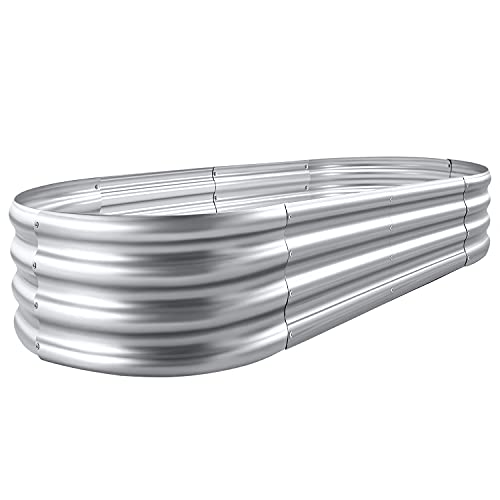
If you are gardening on a balcony, concrete patio, or small urban deck, space and weight are your primary constraints. Composite kits are excellent here because they are lightweight, clean, and do not leach tannin oils that can stain concrete or outdoor tiles. Alternatively, if you want a highly portable, budget-friendly option for a small space, you might also consider lightweight metal options like the Land Guard Galvanized Raised Garden Bed Kit, Galvanized Planter Garden Boxes Outdoor, Oval Large Metal Raised Garden Beds for Vegetables ($19.99), which offers a compact footprint and quick setup.
Family with Kids and Pets
For active backyards where children and pets play, safety is the top priority. Splinters from aging wood can turn a fun family gardening project into a painful experience. Composite kits are the clear winner here. Their smooth, rounded corners and splinter-free construction ensure that little hands can dig, plant, and harvest safely. Additionally, composite does not require chemical sealants, giving you peace of mind regarding soil purity.
Rental Property
If you do not own your home, you want a garden bed that can pack up and move with you. Cedar beds, once screwed together and filled with soil, are difficult to disassemble without stripping the wood or damaging the structural integrity of the corners. Composite kits, with their snap-together joints and lightweight boards, can be easily disassembled, stacked into a car trunk, and reassembled at your next home without losing any structural strength.
Long-Term Home
If you have found your forever home and are designing a permanent landscape, both options have a place. If you love the organic, changing look of natural wood and do not mind occasional maintenance, high-end, thick-cut cedar beds will look stunning. However, if you want a cohesive, modern landscape design that will look pristine, uniform, and brand-new decades from now with zero maintenance, investing in premium composite kits is the smartest choice for your property.
FAQ
Are composite raised garden beds safe for growing edible vegetables?
Yes. High-quality composite raised garden beds are manufactured using food-grade plastics (such as HDPE) mixed with recycled wood fibers. These plastics are highly stable, inert, and BPA-free, meaning they will not leach chemicals, microplastics, or toxins into your soil, even under intense heat and moisture.
Can I paint or stain a composite garden bed if I want to change its color?
Generally, no. Composite materials are designed to resist moisture and oils, which means typical exterior paints and stains will not adhere well to the surface. They will quickly peel and flake off. It is best to choose a composite kit in a color (such as dark brown, slate gray, or sand) that you plan to keep long-term.
Does cedar require a liner inside the raised bed?
While not strictly necessary, using a landscape fabric or plastic liner along the inside walls of a cedar bed is highly recommended. A liner prevents wet soil from staying in direct, constant contact with the wood, which can extend the lifespan of your cedar boards by several years. Just ensure the bottom of the bed remains open to the ground for drainage and worm migration.
Which material is better at surviving freezing winter temperatures?
Composite kits are highly resilient in freezing temperatures because they do not absorb moisture, meaning they do not risk cracking when the ground freezes and expands. Cedar also handles freezing temperatures well due to its natural flexibility, though repeated freeze-thaw cycles can accelerate the loosening of metal screws and joints in wood beds over time.