Owning an Apec water filtration system is a reliable way to ensure your household enjoys clean, great-tasting water straight from the tap. However, like any complex plumbing or multi-stage filtration setup, these units can occasionally experience operational hiccups that disrupt your daily routine and water flow.
Whether you are dealing with a sudden drop in daily output or an unexpected puddle underneath the kitchen sink, diagnosing the root cause early can save you time and plumbing expenses. This comprehensive troubleshooting guide breaks down the most frequent Apec water filter issues, their underlying causes, and practical steps to fix them safely without needing immediate professional help.
As an Amazon Associate we earn from qualifying purchases at no extra cost to you.
Low Water Pressure at the Dedicated Faucet
The Problem: You turn on your Apec reverse osmosis faucet, and instead of a steady, forceful stream, you get a weak trickle that slows to a complete stop after just a few seconds.
The Cause: The most common culprit is low air pressure inside the storage tank bladder, though a partially closed feed water valve or a kinked delivery tube can also restrict the flow.
The Fix: Check that the cold water supply valve is fully open. If the supply is fine, turn off the feed water and tank valve, drain the storage tank completely into a bucket, and use a standard pressure gauge to check the Schrader valve on the tank. If it reads below the recommended target, use a bicycle pump to add air until it reaches the proper pressure level.
When to Replace: If the tank bladder has ruptured—indicated by water spraying out of the air valve when checked—you will need to replace the entire storage tank.
Continuous Flow to the Drain (Won’t Shut Off)
The Problem: You hear water constantly running down the drain line underneath your sink, even hours after you last filled a glass or used the system.
The Cause: The automatic shut-off valve is failing to close because the storage tank isn’t reaching the backpressure required to trigger it, or the internal valve mechanism is stuck due to mineral buildup.
The Fix: First, ensure your storage tank valve is actually open, because a closed tank will never pressurize to shut off the system. If the tank valve is open, inspect the automatic shut-off valve for debris, and disassemble or clean the components to restore proper internal movement.
When to Replace: If cleaning does not resolve the continuous running sound, the internal seals of the valve are worn out, and you should install a replacement automatic shut-off valve assembly.
Strange Taste or Odor in Purified Water
The Problem: The water pouring from your dedicated faucet tastes metallic, earthy, or smells slightly off, ruining the crisp quality you expect from a filtration system.
The Cause: Carbon pre-filters and post-filters have reached the end of their operational lifespan and can no longer trap chlorine, or minor microbial growth has occurred inside the storage tank.
The Fix: Start by replacing the sediment and carbon block filters according to standard maintenance schedules. If changing the filters does not resolve the taste, sanitize the entire system by draining it completely, injecting a small amount of unscented household bleach into the empty tank, letting it dwell, and flushing the system thoroughly multiple times.
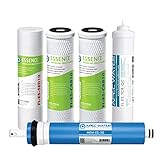
When to Replace: Pre-filters and post-filters should be replaced every six to twelve months, while the reverse osmosis membrane typically lasts between two to three years depending on source water quality.
Slow Production Rate
The Problem: The system takes an unusually long time to refill the storage tank after you draw a large volume of water for cooking or drinking.
The Cause: A clogged or fouled reverse osmosis membrane, low incoming water pressure from your main supply, or cold water temperatures can drastically slow down the filtration process.
The Fix: Check your incoming water pressure. RO systems rely on adequate line pressure to push water through the tight pores of the membrane. If your home pressure is low, a booster pump may be necessary to restore normal output speeds.
When to Replace: If incoming water pressure is normal and the pre-filters are clean, your RO membrane is likely scaled or clogged with impurities and needs immediate replacement.
Leaking Connections at Quick-Connect Fittings
The Problem: You notice slow weeping or active dripping originating from the push-to-connect fittings located on the filter housings or tubing junctions.
The Cause: Tubing has not been pushed entirely past the internal O-ring, the cut end of the plastic tubing is jagged or scored, or the locking collet clip is missing.
The Fix: Depressurize the system and shut off the water supply. Pull the tubing out, inspect the end for deep scratches, use a sharp utility knife to make a clean, straight cut if necessary, and push the tubing firmly back into the fitting until you feel it seat past the resistance of the internal O-ring.
When to Replace: If a fitting continues to leak after re-seating and trimming the tube, the internal O-ring is permanently damaged, and you must replace the quick-connect fitting.
Noisy Gurgling Sounds from the Drain
The Problem: Every time the system purifies water, you hear a loud bubbling, gurgling, or splashing sound coming from your under-sink plumbing pipes.
The Cause: The drain saddle is installed incorrectly, the drain line is partially obstructed with debris, or the system wastewater is hitting the P-trap at an improper angle.
The Fix: Inspect the drain line connection under your sink. Ensure the drain saddle is mounted above the P-trap on a straight section of pipe and that the tubing slopes downward continuously without any loops or sags where wastewater can pool.
When to Replace: If the drain saddle rubber gasket has degraded or the drain tube has hardened and cracked, replace the drain saddle kit to secure a tight, quiet seal.
Milky or Cloudy Appearance in the Glass
The Problem: You pour a glass of water, and it looks cloudy or milky, though the discoloration clears up entirely after sitting on the counter for a minute.
The Cause: This is almost always caused by tiny trapped air bubbles dissolved under pressure within newly installed filters, fresh cartridges, or the storage tank.
The Fix: No mechanical repair is needed for this issue. Simply let a glass of water sit on your counter for sixty seconds; if the cloudiness rises and disappears from the bottom up, it is purely harmless trapped air.
When to Replace: If the water remains cloudy permanently or settles with solid particulate matter, your pre-filters are failing and require immediate replacement.
Related Guides
Keeping your home environment clean extends far beyond your kitchen sink. If you want to optimize your living space further, check out our expert resources. For help selecting a new system, read our Best Apec Water Filters in 2026: Compared and Ranked. To improve the air you breathe while maintaining your property, explore the Best Hvac Furnace Air Filters in 2026: Compared and Ranked. Additionally, if you need to upgrade your kitchen setup, review our insights on the FAQ
Standard sediment and carbon block filters should generally be replaced every six to twelve months to maintain optimal water quality. The reverse osmosis membrane lasts much longer, typically requiring replacement every two to three years depending on your local water profile. A continuous humming or vibrating sound usually indicates a pressure imbalance or a failing check valve within the unit. Check all internal valves and ensure your feed water pressure does not exceed recommended manufacturer limits. Yes, most Apec filtration systems are designed for straightforward DIY installation using standard household tools and clear instruction manuals. However, if you are uncomfortable working with under-sink plumbing or electrical lines for booster pumps, hiring a professional plumber is always a safe alternative. First, immediately turn off the feed water supply to prevent water damage under your sink. Check all quick-connect fittings and threaded connections to ensure they are fully seated, tightly threaded, and secured properly.How often should I change my Apec filters?
Why is my system making a constant humming sound?
Can I install an Apec water filter myself?
What should I do if the system leaks during installation?