Key takeaways
- Pros: Generous 95OZ water tank with auto shut-off safety.
- Pros: Quiet operation featuring relaxing 7-color ambient light.
- Con: Black finish and lighting features may not appeal to minimalists.
Excess moisture leads to mold growth, musty odors, and clammy indoor air, especially during damp seasons or in unventilated spaces like basements and bathrooms. Finding the right air dehumidifier requires balancing moisture extraction capacity against room size, noise output, and operating convenience. We evaluated current market options by analyzing manufacturer specifications, pricing structures, and extensive verified owner feedback to establish which models reliably perform under real-world home conditions.
What separates effective units from disappointing ones comes down to matching technology to room dynamics. Compact Peltier thermoelectric units excel in quiet, small spaces like bedrooms or RVs, whereas compressor-based models are required for heavy-duty basement moisture control. Understanding these distinctions prevents buyers from overspending on underpowered units or enduring unnecessary noise in sleeping quarters.
As an Amazon Associate we earn from qualifying purchases at no extra cost to you. Product prices and availability are accurate as of the date shown and are subject to change.




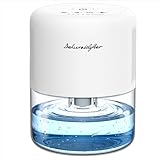

Quick Picks
| Product | Best for | Price |
|---|---|---|
| BEDRED 95OZ Dehumidifier | Bedrooms needing ambient lighting | $59.99 |
| ToLife 95 oz Dehumidifier | Quiet night operation in mid-sized rooms | $79.99 |
| 21-Pint Basement Dehumidifier | Continuous draining in medium basements | $119.99 |
| TABYIK 35 OZ Dehumidifier | Tight spaces and strict budgets | $37.99 |
| SEMKAP 32 Pints Dehumidifier | High-capacity basement moisture control | $111.43 |
| ToLife 1000 sq.ft Dehumidifier | Simple setup in modern white spaces | $59.98 |
| NeedDuck 44OZ Dehumidifier | Customizable modes in compact areas | $39.99 |
| BANABIE 32 Pints Dehumidifier | Large open subterranean spaces | $119.99 |
How We Picked
To evaluate these products, we analyzed official specification sheets, pricing tiers, and thousands of verified owner reviews across major retail platforms. We prioritized core performance factors including total coverage square footage, daily water extraction capacity, continuous drainage support, and low-noise operation modes suitable for home environments. By comparing reported durability and manufacturer feature sets against real-world user feedback, we identified the top-performing air dehumidifiers available today.
The 8 Best Air Dehumidifier in 2026
BEDRED 95OZ Dehumidifier
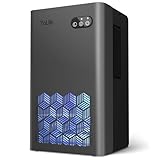
This sleek black air dehumidifier is designed for home spaces up to 1000 sq ft, making it a great match for living rooms, bedrooms, and moderate basements. Owners appreciate its quiet operation paired with an integrated 7-color ambient lighting feature that creates a relaxing environment. Safety is prioritized through an auto shut-off mechanism when the 95OZ tank fills. The modern aesthetic sits comfortably in common living areas while keeping humidity levels stable.
- Pros: Generous 95OZ water tank with auto shut-off safety.
- Pros: Quiet operation featuring relaxing 7-color ambient light.
- Con: Black finish and lighting features may not appeal to minimalists.
Skip this model if you require heavy-duty daily moisture removal for flooded or extremely damp basements.
ToLife 95 oz Dehumidifier
ToLife presents a well-rounded unit targeting spaces up to 1000 Sq Ft. It combines a 95 oz tank with a dedicated sleep mode that drops operational noise for undisturbed night rest. Verified feedback highlights the reliable auto shutoff mechanism that prevents overflows when the reservoir reaches full capacity. It is ideal for mid-sized rooms where low noise is just as critical as consistent humidity reduction.
- Pros: Dedicated sleep mode for whisper-quiet nighttime use.
- Pros: Ample 95 oz capacity covers up to 1000 Sq Ft.
- Con: Slightly higher price point than basic 1000 sq ft units.
Skip it if you need continuous drainage hose connectivity out of the box.
21-Pint Basement Dehumidifier
Tailored specifically for subterranean moisture challenges, this 21-Pint dehumidifier covers up to 1600 sq ft. It stands out by including a dedicated drain hose, allowing continuous drainage without manual tank emptying. User reviews praise its steady extraction rate in damp lower levels, making it suitable for damp storage areas, laundry rooms, or lower-level living spaces where humidity builds up rapidly.
- Pros: Includes a drain hose for effortless continuous draining.
- Pros: Substantial 1600 sq ft coverage area for basements.
- Con: Larger physical footprint than desktop or small-room models.
Skip it if you only need a lightweight, compact solution for a tiny RV or closet.
TABYIK 35 OZ Dehumidifier
Built for tight spaces, the TABYIK 35 OZ model offers an ultra-compact solution tailored for bedrooms, RVs, and small bathrooms. Its sleek white body runs quietly without disrupting daily activities or sleep, while the built-in auto shut-off sensor prevents spills when full. Owner feedback indicates it is a top contender for budget-conscious buyers seeking localized humidity relief in enclosed quarters.
- Pros: Highly affordable price point for tight budgets.
- Pros: Compact design perfect for RVs, closets, and small bedrooms.
- Con: 35 OZ capacity requires frequent emptying in high-humidity areas.
Skip this model if you need to lower moisture across an entire open-floor living room or basement.
SEMKAP 32 Pints Dehumidifier
Capable of handling expansive areas up to 2500 Sq.Ft, the SEMKAP unit extracts up to 32 Pints of moisture daily. Designed primarily for basements, it comes equipped with a drain hose for continuous operation. Spec analysis and owner feedback indicate strong performance in heavy moisture environments where standard compact units fail to maintain healthy air quality levels.
- Pros: High removal capacity up to 32 Pints per day.
- Pros: Massive 2500 Sq.Ft max coverage with continuous drain hose.
- Con: Noticeably heavier and louder than compact thermo-electric units.
Skip it if your target area is under 500 sq ft and requires whisper-quiet operation.
ToLife 1000 sq.ft Dehumidifier (White)
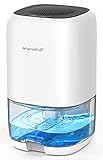
Designed in a clean white finish, this ToLife model targets home bedrooms and spaces up to 1000 sq.ft. It emphasizes hassle-free automated operation with a reliable auto shut-off feature when filled. Owner ratings highlight its clean aesthetic and straightforward control scheme, making it an accessible option for main-floor bedrooms, offices, and apartments seeking simple humidity control.
- Pros: Excellent balance of price and 1000 sq.ft coverage.
- Pros: Clean white design blends into modern home decor seamlessly.
- Con: Lacks continuous drainage options out of the box.
Skip it if you prefer extra ambient lighting modes or advanced timer customization.
NeedDuck 44OZ Dehumidifier
Packing impressive versatility into a portable frame, the NeedDuck air dehumidifier features a 44OZ water tank, auto defrost, auto shutoff, 10 color lights, 4 timer options, and 3 operational modes. It is engineered for bedrooms, bathrooms, closets, and RVs, offering localized environmental controls that cater to sensitive sleepers and versatile room setups.
- Pros: Feature-rich with 4 timer options and 3 modes.
- Pros: Auto defrost feature extends utility in cooler rooms.
- Con: 44OZ capacity is too small for whole-house or main living areas.
Skip this model if you want a set-it-and-forget-it basement continuous hose system.
BANABIE 32 Pints Dehumidifier
Designed for severe moisture conditions, the BANABIE unit tackles basements and open floors up to 2500 Sq.Ft with a max capacity of 32 Pints/Day. Owner experiences highlight its robust moisture extraction during muggy weather, making it a reliable workhorse for preventing mold spores and damp wall conditions in large lower levels.
- Pros: Powerful 32 Pints/Day removal rate for large spaces.
- Pros: Expansive 2500 Sq.Ft coverage handles big basements easily.
- Con: Higher power consumption typical of heavy-duty compressor units.
Skip it if you are placing a dehumidifier directly next to a bed on a nightstand.
Buying Guide
1. Capacity vs. Square Footage
Matching the unit’s capacity to room size is essential. Small units with water tanks under 100 oz work best for spot treatment in bedrooms, closets, or RVs. For larger areas or below-grade basements exceeding 1500 sq ft, compressor-driven units rated in daily pint extraction (such as 21 or 32 pints) are necessary to pull moisture faster than it accumulates.
2. Drainage Options and Maintenance
Manual tank emptying is fine for small bedrooms, provided the unit has an auto shut-off switch. However, for continuous operation in damp basements, units equipped with a gravity drain hose eliminate the hassle of daily manual dumping. Auto defrost is another key feature if operating in cooler lower-level temperatures to prevent coil freezing.
3. Noise Levels and Operational Features
Peltier thermoelectric units operate almost silently, making them preferable for sleeping quarters. Look for dedicated sleep modes, multi-color ambient lighting, and multi-stage timers if the dehumidifier will reside in a bedroom or nursery where low sound levels are paramount.
Our Verdict
For overall performance and large-space moisture removal, the SEMKAP 2500 Sq.Ft Max 32 Pints Dehumidifier takes our top pick due to its high capacity and continuous drain hose integration. If you are shopping on a budget for small bedrooms or RVs, the TABYIK 35 OZ Dehumidifier stands out as our top budget choice under $40. For living rooms or bedrooms up to 1000 sq ft where visual aesthetics and quiet operation matter, the BEDRED 95OZ Dehumidifier is the superior option.
FAQ
How often should I empty the water tank on a small dehumidifier?
Frequency depends on room humidity, but compact tanks typically fill every 1 to 3 days under normal indoor conditions. Automatic shutoff features prevent overflows if you cannot empty the tank immediately.
Can I leave an air dehumidifier running constantly?
Yes, most modern dehumidifiers are designed to run continuously until target humidity levels are reached or the tank fills. Units equipped with drain hoses can run indefinitely without requiring manual tank intervention.
What size air dehumidifier do I need for a basement?
Basements generally require units rated for at least 20 to 32 pints of daily extraction or broad coverage ratings up to 2500 sq ft. Continuous drain capability is highly recommended for subterranean spaces.
Does auto defrost matter on an air dehumidifier?
Auto defrost prevents ice from forming on internal cooling coils when operating in cooler rooms, such as unheated basements or chilly RVs. It ensures the appliance continues collecting moisture safely without damaging components.