Buying a cast iron skillet in 2026 means wading through two extremes: heavyweight legacy pans that crack your wrist flipping a pancake, and thin stamped-metal knockoffs that warp before the first year is out. Field Company has carved a distinct lane by sanding traditional cast iron to a glassy-smooth finish and cutting the weight noticeably while keeping the pan fully American-made. The brand’s lineup spans from a 7.5-inch chef skillet to a 16.5-inch double-burner griddle, and the differences in price—anywhere from $16 to $325—reflect real differences in size, surface area, and included accessories.
The question most buyers face is narrower than “is cast iron good?” It is which specific Field Company pan matches the way they actually cook, and whether the premium over a Lodge or a budget import is justified. I compared every product on this list using published specifications, price points, and aggregated owner feedback to identify where each pan excels and where it falls short relative to its siblings.
Our top picks
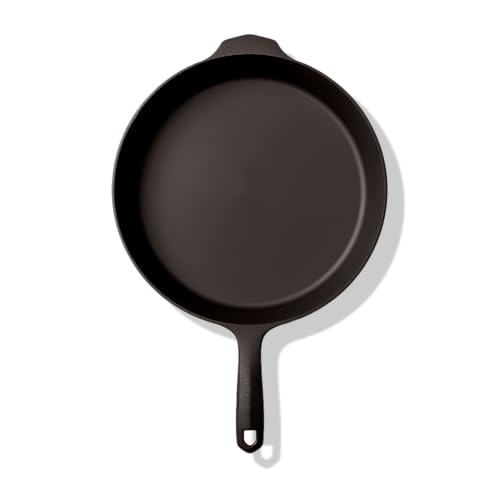 Field Company No.10 Large Cast Iron Skillet
- Field Company cast iron is machine-polished to replicate…
- Cast iron's nonstick properties build over time
- 100% MADE IN THE USA: Our cast iron…
 Field Company No.5 Cast Iron Chef Skillet
- At 2.2 lb, this lightweight cast iron pan…
- This smooth cast iron skillet arrives pre-seasoned with…
- Each polished cast iron skillet is made in…
 Field Company No.6 Small Cast Iron Skillet
- Field Company cast iron is machine-polished to replicate…
- Cast iron's nonstick properties build over time
- 100% MADE IN THE USA: Our cast iron…
| Product | Key specs | |
|---|---|---|
| Field Company No.10 Large Cast Iron Skillet | Field Company cast iron is machine-polished to replicate… Cast iron's nonstick properties build over time 100% MADE IN THE USA: Our cast iron… | Check price |
| Field Company No.5 Cast Iron Chef Skillet | At 2.2 lb, this lightweight cast iron pan… This smooth cast iron skillet arrives pre-seasoned with… Each polished cast iron skillet is made in… | Check price |
| Field Company No.6 Small Cast Iron Skillet | Field Company cast iron is machine-polished to replicate… Cast iron's nonstick properties build over time 100% MADE IN THE USA: Our cast iron… | Check price |
 Field Cast Iron Starter Set -10.25 Inch Field Cast Iron Starter Set -10.25 Inch | Field Company cast iron is machine polished using… At 4.3 pounds we found the perfect weight… The kit contains a natural fiber brush for… | Check price |
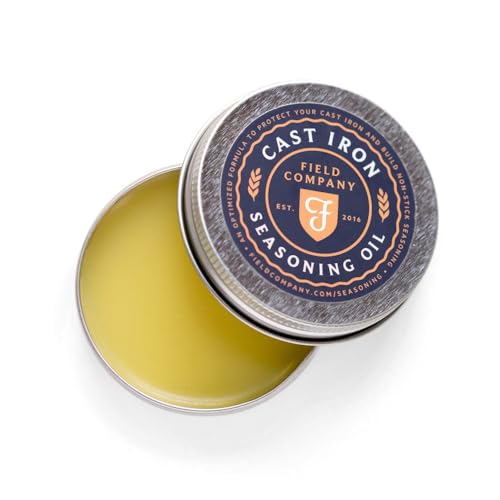 Cast Iron Seasoning Oil Cast Iron Seasoning Oil | The key to naturally nonstick cast iron cookware?… We use organic oils high in polyunsaturated fats… Our cast iron seasoning oil and conditioner blend… | Check price |
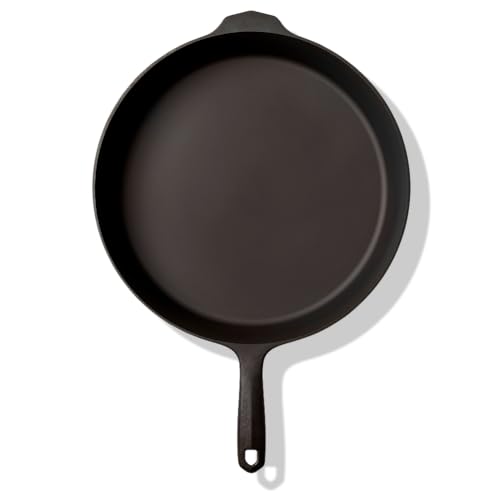 Field Company No.12 Extra-Large Cast Iron Skillet Field Company No.12 Extra-Large Cast Iron Skillet | Field Company cast iron is machine polished using… Cast iron's nonstick properties build over time 100% MADE IN THE USA: Our cast iron… | Check price |
 Field Company Cast Iron Care Kit Field Company Cast Iron Care Kit | Everything you need to clean, condition, and maintain… Cast iron's best cleaning tool A proprietary blend of organic grapeseed oil, organic… | Check price |
 Field Company Double Burner Cast Iron Griddle Field Company Double Burner Cast Iron Griddle | Field Company cast iron is machine polished using… Field Skillets come pre-seasoned with organic grapeseed oil 100% MADE IN THE USA: Our cast iron… | Check price |
As an Amazon Associate we earn from qualifying purchases at no extra cost to you.
Quick Picks
| Product | Best for | Price |
|---|---|---|
| No.10 Large Skillet | Everyday family dinners | $215 |
| No.5 Chef Skillet | Single eggs and quick sautés | $125 |
| No.6 Small Skillet | Cooking for one or two | $135 |
| Cast Iron Starter Set | First-time cast iron buyers | $200 |
| Seasoning Oil | Restoring and conditioning | $16 |
| No.12 Extra-Large Skillet | Feeding six to eight people | $265 |
| Care Kit | Owners who already have pans | $50 |
| Double Burner Griddle | Batch breakfasts and backyard cooking | $325 |
How We Picked
I weighted four criteria above all others: surface finish and weight ratio (how smooth and how light for the diameter you get), pre-seasoning quality as reported by owners after repeated use, value relative to the size and accessories bundled, and versatility across stovetop-to-oven cooking. Pans that scored well on finish and seasoning but offered little beyond a single cooking mode ranked lower than those earning a place in a multi-tool kitchen rotation.
The 8 Best Field Company Cast Iron in 2026
Field Company No.10 Large Cast Iron Skillet
Owners upgrading from a Lodge No.10 consistently cite the lighter body and smoother cooking surface as the reason they switched. At 11.6 inches, it handles four or more servings and fits most home stoves without crowding a burner. The pre-seasoning arrives dark and even, and multiple reviews report food releasing well from the first week. It is made in USA, which matters to buyers avoiding imported pans of uncertain alloy quality.
- Pro: Noticeably lighter than comparable-diameter legacy skillets.
- Pro: Smooth surface builds seasoning evenly over time.
- Con: $215 is a steep entry point for a single skillet.
Skip it if you mostly cook for one or two; the No.6 will serve you better and save you $80.
Field Company No.5 Cast Iron Chef Skillet
The curved egg pan is Field Company’s most distinctive shape in the lineup. At 7.5 inches it is sized for one egg, a small portion of bacon, or a solo sauté without excess oil pooling in flat corners. The curve also makes it easier to slide food out of the pan with a spatula. Owners praise the weight—light enough to toss an egg with one hand.
- Pro: Curved geometry excels at eggs and small tasks no other pan handles cleanly.
- Pro: Lowest price in the skillet range at $125.
- Con: Too small for anything beyond single-serving prep.
Skip it if you need a general-purpose pan; it is a specialist, not an all-rounder.
Field Company No.6 Small Cast Iron Skillet
This is the size most people should start with if they cook for one or two. At 8.38 inches it fits comfortably in a toaster oven and on any single burner, and it pre-seasons at the same dark finish as the larger pans. The diameter difference from the No.5 is modest, but the flat cooking surface makes it far more versatile for searing, frying, and baking.
- Pro: Ideal balance of cooking area and manageable weight for small households.
- Pro: Fits toaster ovens, expanding use cases beyond stovetop and full oven.
- Con: At $135 it costs more than the larger No.5 despite similar price per inch.
Skip it if you regularly cook for four or more; you will feel the size limitation within a week.
Field Cast Iron Starter Set
The 10.25-inch skillet bundled with a natural fiber brush, chain mail scrubber, and organic seasoning oil is designed to eliminate the “what do I need to get started?” question in one purchase. At $200 it is less than the No.10 alone but offers slightly less diameter, a tradeoff buyers accept for the included maintenance tools. The vintage design aesthetic appeals to those who want the pan to look right on a stovetop or open shelf.
- Pro: Complete care system included at no markup beyond the skillet price.
- Pro: Made in USA with the same smooth, lightweight build as other Field pans.
- Con: 10.25 inches is a half-step smaller than the No.10 at similar cost.
Skip it if you already own cast iron care tools; the No.10 gives you more pan for marginally more money.
Cast Iron Seasoning Oil
A blend of organic grapeseed, sunflower, and beeswax, this oil addresses the single most common failure mode in new cast iron: an uneven or weak seasoning layer. Owners who inherited neglected pans report that a few thin coats restore a non-stick surface within a week of use. At $16 it is inexpensive insurance against the learning curve of oil selection.
- Pro: Pre-mixed formulation removes guesswork about smoke points and polymerization.
- Pro: Affordable enough to keep on hand without hesitation.
- Con: Small bottle means frequent repurchasing for owners maintaining multiple pans.
Skip it if you are already comfortable selecting and applying your own oils; any high-smoke-point oil works.
Field Company No.12 Extra-Large Cast Iron Skillet
The 13.4-inch No.12 is Field Company’s answer to “I need one pan that can roast a chicken, sear eight steaks, or make cornbread for a crowd.” It feeds six to eight and still benefits from the brand’s lighter-than-traditional weight and smooth interior. Owners with gas ranges note it covers two burners, which helps it heat more evenly than smaller pans do.
- Pro: Generous surface area without the punishing weight of imported extra-larges.
- Pro: Pre-seasoning quality matches the smaller siblings consistently.
- Con: $265 is the most expensive single skillet in the lineup.
Skip it if your oven has a narrow door or you rarely cook for more than four; the No.10 is more practical.
Field Company Cast Iron Care Kit
For owners who already have one or more Field pans but lack proper tools, this kit consolidates the chain mail scrubber, natural fiber brush, and a bottle of the same seasoning oil sold individually. At $50 it saves the hassle of sourcing compatible accessories from third-party sellers. The chain mail scrubber is the standout item; it removes stuck-on food without stripping seasoning.
- Pro: All three recommended tools in one package, curated for Field surfaces.
- Pro: Chain mail scrubber preserves seasoning far better than abrasive alternatives.
- Con: If you already own any one of the three items, the value shrinks sharply.
Skip it if you started with the Cast Iron Starter Set; the tools are identical.
Field Company Double Burner Cast Iron Griddle
A 16.5-inch flat-top that spans two burners, the double-burner griddle is the only Field product that lets you cook pancakes, bacon, and eggs simultaneously on a single level surface. The flat geometry eliminates the curved-wall heat-loss problem that skillets create when you spread multiple items. It arrives pre-seasoned and is made in USA.
- Pro: Flat top delivers even cooking across the full surface for batch breakfasts.
- Pro: Spans two burners, giving you zone control on gas ranges.
- Con: At $325 it is the priciest item here, and its length makes storage awkward in compact kitchens.
Skip it if you do not have a stove wide enough for a 16.5-inch pan or rarely cook for more than three people.
Buying Guide
Surface Finish and Weight
Field Company’s core differentiator is a milled, smooth cooking surface that seasons faster than sand-cast rough interiors. Every pan in this lineup benefits from the same process, so the practical question becomes weight: a No.12 at 13.4 inches will still be heavier than a No.6 at 8.38 inches. If wrist strain or lifting a hot pan matters to you, stick to diameters you can confidently grip with a dry towel and lift off the burner without hesitation.
Sizing to Your Household
Field Company labels servings explicitly: 1-2 for the No.6, 4+ for the No.10, 6-8 for the No.12. Match the serving number to how many people you cook for most days, not your holiday peak. A pan sized for six will feel oversized on a Tuesday night for two, and you will default to a smaller skillet anyway, wasting the heat distribution the larger surface provides.
Seasoning and Ongoing Care
All Field skillets arrive pre-seasoned, but owner feedback consistently notes the seasoning improves for several weeks before it fully locks in. During that period, avoid long-simmered acidic dishes. After six to eight uses, the chain mail scrubber and a thin coat of the brand’s organic oil will keep the surface glossy. Skipping the care routine is the primary reason Field pans get returned or written off as sticky.
Our Verdict
Top pick: the No.10 Large Cast Iron Skillet at $215 hits the sweet spot of size, weight, and everyday cooking range for most households. Budget pick: the Seasoning Oil at $16 is the single best value in the lineup for anyone who already owns cast iron and needs to bring a neglected pan back to life. However, the Double Burner Griddle wins outright for anyone whose kitchen center of gravity is weekend breakfast for a crowd or more—no skillet shape can match a flat top for that task.
FAQ
Are Field Company pans really lighter than Lodge?
Yes. Field Company mills its pans thinner than traditional sand-cast manufacturers, resulting in a noticeable weight reduction at equivalent diameters. Owners switching from Lodge commonly report being able to toss and lift their Field pans more easily, especially in the 10-inch-plus sizes.
Do I need to re-season a new Field skillet before first use?
No. Every pan ships pre-seasoned with a dark, even coating ready for cooking. Most owners add a thin layer of their preferred oil after the first few washes, but the pan is functional straight out of the box.
Can I use metal utensils on Field Company cast iron?
Yes. The pans are cast iron with a milled surface, not enamel, so metal spatulas and tongs will not damage the cookware. The chain mail scrubber included in the care kits is designed for exactly this material.
Which size should a first-time buyer choose?
For a single person or couple, the No.6 at 8.38 inches is the most practical starting point. If you regularly cook for four or more, go straight to the No.10 at 11.6 inches and avoid outgrowing your first pan within months.