Our Top Picks
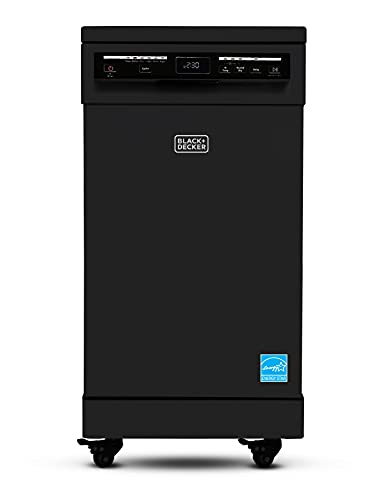 BLACK+DECKER 18-Inch Portable Dishwasher18 inches wide17.6 x 23.6 x 35.6 inches116 PoundsCheck on Amazon
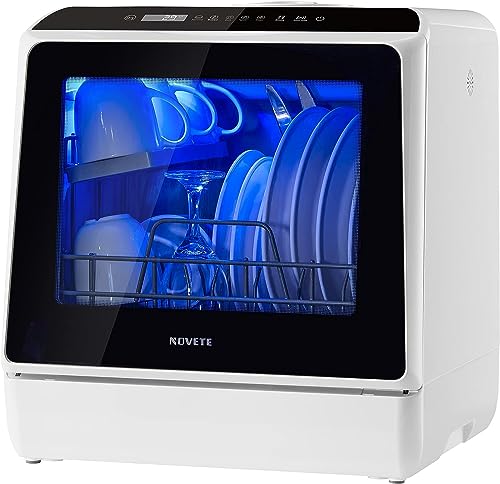 NOVETE Portable Countertop Dishwashers for Small Apartments16.8 x 16.9 x 18.1 inches28 poundsCheck on Amazon
The best portable dishwashers for apartments are countertop models in the 21–22 inch class when you have roughly 22 inches of free counter beside the sink and a faucet with a removable aerator, and full-size wheeled portables on casters when you need eight or more place settings, want to wash sheet pans and stock pots, or want to roll the machine into a closet between uses. Almost every other difference — noise, water use, cycle time, price — falls out of that first decision, because the two categories are built around different plumbing and different amounts of floor and counter space.
This guide compares countertop and wheeled designs on capacity, hookup, faucet compatibility, noise, water use, cycle time, and kitchen clearance, then maps each apartment situation to a specific type of machine. Measurements are given in real numbers so you can check them against your own kitchen before you buy.

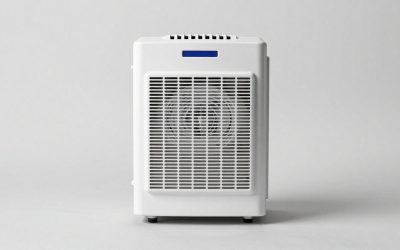
EUHOMY Countertop Dishwasher Portable, 6 Programs with 40 dB, No Hookup
Chosen because it specifies 6 Programs with 40 dB and No Hookup.
View on Amazon
COMFEE’ Countertop Dishwasher, Energy Star Portable Dishwasher, 6 Place Settings & 8 Washing Programs, Speed, Baby-Care, ECO& Glass, Dish Washer for Dorm, RV& Apartment, Black
Chosen because it specifies Energy Star Portable Dishwasher and 6 Place Settings & 8 Washing Programs.
View on AmazonBLACK+DECKER 18-Inch Portable Dishwasher, Energy Star, BPD8B, Black
Chosen because it specifies Energy Star and BPD8B.
View on AmazonNOVETE Portable Countertop Dishwashers for Small Apartments
Picked as a relevant option in this category.
View on AmazonThe short version: what to buy by situation
- One or two people, normal counter run beside the sink: a 21–22 inch countertop unit, six place settings, stainless tub, roughly $250–$450.
- Tiny kitchen, no spare counter: a 17–18 inch slim countertop unit, four place settings, roughly $200–$350.
- Pull-down or pull-out sprayer faucet that will not take an adapter: a tank-fed countertop unit that fills from a pitcher, roughly $250–$450, or a full-size wheeled portable connected with a diverter.
- Family of three or more, pots and pans every night: a 24 inch wheeled portable, 12 place settings, roughly $650–$1,100.
- Rental with a 19–21 inch gap between the counter and the wall: an 18 inch wheeled portable, eight place settings, roughly $550–$900.
- Studio or loft where noise matters at night: a wheeled portable rated under 50 dB rather than a countertop unit, which typically runs 52–62 dB.
- Planning to build in later: a convertible wheeled portable that ships with a conversion kit, so the same machine becomes under-counter when you move.
| Situation | Best type | Realistic capacity | Typical price range |
|---|---|---|---|
| One person, counter space available | 21–22 in. countertop, stainless tub | 6 place settings | $250–$450 |
| Two people, 17 in. of counter | 17–18 in. slim countertop | 4 place settings | $200–$350 |
| No usable faucet connection | Tank-fed countertop | 4–5 place settings | $250–$450 |
| Three to four people, nightly cooking | 24 in. wheeled portable | 12 place settings | $650–$1,100 |
| Narrow galley kitchen | 18 in. wheeled portable | 8 place settings | $550–$900 |
| Light sleeper, open plan | Quiet wheeled portable | 12 place settings | $800–$1,200 |
| Will move within two years | Convertible wheeled portable | 12 place settings | $700–$1,000 |
Countertop vs. wheeled: the head-to-head
Countertop units sit on the counter, take water from the faucet through a diverter adapter, and drain back into the sink basin. Wheeled portables are full-size machines — the same chassis as a built-in dishwasher — mounted on casters with a laminate top and a five- to six-foot hose bundle. They roll up to the sink, connect the same way, and roll away when you need the floor back.
The practical difference is not “small vs. large.” It is counter space vs. floor space, and the two have very different costs in an apartment.
A countertop unit removes 22 inches of counter length and about 20 inches of counter depth permanently, unless you lift it off and store it between cycles — which most people stop doing after two weeks, because the unit weighs 45–60 pounds. A wheeled portable removes zero counter space but parks in the kitchen aisle, and its footprint on the floor is roughly 24 by 26 inches, plus another 20–24 inches of clearance in front to open the door and pull out the racks. In a 10 by 12 foot kitchen with a work aisle of 42 inches, a wheeled portable eats half the aisle whenever it is out.
The second real difference is water temperature and drying. Countertop units typically heat their own water to 140–155°F for the main wash, which is good for grease but extends the cycle. Full-size portables usually take hot water from the building’s supply at 120°F and boost it, and their larger tubs and longer cycles produce noticeably drier dishes, especially with a heated dry element and rinse aid.
| Specification | Countertop (21–22 in.) | Slim countertop (17–18 in.) | Full-size wheeled (24 in.) | Slim wheeled (18 in.) |
|---|---|---|---|---|
| Place settings (rated) | 6 | 4 | 12 | 8 |
| Width | 21.5–22 in. | 17–18 in. | 24 in. | 18 in. |
| Depth | 19.5–20 in. | 19–20 in. | 26–27 in. | 24–26 in. |
| Height | 17–18 in. | 17–18 in. | 35–36 in. (with top) | 33–35 in. |
| Weight, empty | 45–60 lb | 35–45 lb | 140–180 lb | 110–140 lb |
| Weight, loaded | 65–85 lb | 50–65 lb | 180–220 lb | 145–180 lb |
| Counter space consumed | ~22 x 20 in. | ~18 x 20 in. | None | None |
| Floor footprint when in use | None | None | 24 x 26 in. + door swing | 18 x 25 in. + door swing |
| Water per normal cycle | 1.8–3.2 gal | 1.3–2.5 gal | 3.5–6.0 gal | 3.0–5.0 gal |
| Peak electrical draw | 8–12 A at 120 V | 6–10 A at 120 V | 9–12 A at 120 V | 8–11 A at 120 V |
| Typical noise | 52–62 dB | 52–60 dB | 50–58 dB | 52–60 dB |
| Normal cycle time | 90–140 min | 80–120 min | 95–150 min | 95–145 min |
| Door clearance needed | 20–24 in. in front | 20–24 in. in front | 22–26 in. in front | 20–24 in. in front |
| Can be built in later | No | No | Yes, with conversion kit | Yes, with conversion kit |
| Typical price | $250–$450 | $200–$350 | $650–$1,100 | $550–$900 |
Kitchen clearance: the measurements that decide it
Before anything else, measure four things.
1. Counter depth and the wall behind it. Standard counters are 24 inches deep. A countertop dishwasher at 19.5–20 inches deep leaves 4–4.5 inches, which sounds fine until you account for the inlet and drain hoses, which need to route behind or beside the machine. If your counter is 20–22 inches deep — common in older apartments with shallow cabinets — a 20-inch-deep countertop unit will overhang the front edge, and the faucet adapter hose will kink against the backsplash. In that case, measure a slim 17-inch model instead, or choose a wheeled portable.
2. Under-cabinet clearance. The standard gap between the counter and the bottom of upper cabinets is 18 inches. A countertop dishwasher is 17–18 inches tall, so it fits — with zero to one inch of margin. That is enough to slide it in but not enough to open the lid of a top-loading unit or to lift the machine onto the counter without removing the uppers. If your cabinets are set at 16 inches, as they are in some pre-war buildings, no standard countertop unit will fit underneath and the machine must go on an open counter run.
3. Door swing. Countertop and wheeled units both use a drop-down door. You need 20–26 inches of clear depth in front of the machine to open it fully and pull the lower rack out. In a galley kitchen with a 36-inch aisle, that means the aisle is blocked while you load and unload. If your kitchen is a single 36-inch aisle, plan on loading the machine before you start cooking, not during.
4. The path from the sink to where the machine lives. Countertop units ship with roughly five feet of inlet hose and five feet of drain hose. Wheeled portables usually ship with five to six feet of each, and some include a ten-foot drain extension. Measure along the wall, not through the air — hose runs around a corner cost two feet each. If the machine will sit more than five feet from the faucet, plan on an extension kit.
For a wheeled portable, add two more measurements: your narrowest doorway and any threshold height. A 24-inch portable is about 25–26 inches wide including the casters and the top overhang. A standard interior door opening is 30–32 inches, so it fits with 4–6 inches to spare. Thresholds up to about 1.5 inches are rollable with 2–3 inch casters; anything taller needs a lift, and at 150+ pounds empty you want a second person.
Faucet compatibility: where most apartment installs fail
The single most common reason a portable dishwasher gets returned is that it will not connect to the faucet. Here is what actually matters.
Countertop and wheeled portables both use a diverter that screws onto the faucet spout in place of the aerator. The diverter has a side port for the inlet hose and a lever that switches flow between the faucet and the dishwasher. For this to work, three things must be true.
- The aerator must unscrew. Most standard kitchen faucets have a removable aerator. Some integrated-sprayer and one-piece cast faucets do not.
- The threads must match one of the common sizes. The three you will meet in North American kitchens are 15/16″-27 male, 13/16″-27 female, and 55/64″-27 female. European and some designer faucets use M22 or M24 metric threads. Most dishwasher brands include a small bag of adapters covering the first three; metric adapters are usually a separate purchase.
- The faucet must deliver enough flow. You need roughly 1.5 gallons per minute at the tap, and a single-handle faucet is much easier to set because you can leave it at the hot position and control flow with the lever. Dual-handle faucets work, but you have to set both handles each time.
The failure case is the pull-down or pull-out sprayer. The spray head on these faucets is usually a proprietary quick-connect that will not accept a dishwasher adapter, and removing it to expose the hose end leaves you with a thread that rarely matches. There are three workarounds:
Use the spare hole. Many kitchen sinks have a second or third hole holding a soap dispenser or a filtered-water tap. Remove the dispenser and install a dedicated dishwasher supply valve and a small diverter spout in that hole. This is the cleanest fix and costs roughly $40–$90 in parts.
Add a faucet adapter tee under the sink. A tee on the hot supply line with a shutoff feeds the dishwasher directly, and the drain hose discharges into the sink or a disposal port. This is closer to a permanent install and takes about 45 minutes with basic tools.
Choose a tank-fed countertop unit. These have a built-in reservoir you fill with a pitcher or a hose from the tap — typically 3 to 5 liters. No faucet connection at all, and no drain connection either in most cases, since they drain into the sink basin or into the same reservoir. The trade-off is you fill them by hand before every cycle and they hold fewer place settings.
One more compatibility note: if your sink has a garbage disposal, run it before you start a cycle, and make sure the dishwasher drain hose discharges above the trap with a high loop, or you will get sink water siphoning back into the machine.
Capacity in real terms, not place settings
Place settings are a rough proxy. Here is what the numbers mean with actual dishes.
A “place setting” per the industry standard is a dinner plate, a salad plate, a bowl, a glass, a cup and saucer, and four pieces of flatware. A six-place-setting countertop unit therefore holds about 24 items of flatware and 18 plates and bowls — but not all at once in the configuration you actually use.
Realistic loads:
- Six-place-setting countertop: six dinner plates up to 10.5 inches, six glasses, six cups, and flatware, or four dinner plates plus one 8-inch skillet plus one 2-quart saucepan. It will not take a 12-inch skillet or a 13 by 18 inch sheet pan.
- Four-place-setting slim countertop: four dinner plates up to 10 inches, four glasses, flatware, and a small saucepan if you load it at an angle. Tall items are the constraint — upper clearance is often only 8–9 inches, so wine glasses and 10-inch-tall tumblers have to go on the bottom rack.
- Twelve-place-setting wheeled portable: twelve dinner plates up to 12 inches, a full flatware basket, glasses in the upper rack, and a 12-inch skillet or a 5-quart Dutch oven on the bottom rack. A half-sheet pan (13 by 18 inches) fits on the bottom rack only when angled, and often blocks the spray arm, so it is a one-at-a-time item.
- Eight-place-setting slim wheeled portable: eight dinner plates, glasses, flatware, and one large pan at a time. Interior width is the limit, not depth — a 12-inch skillet usually fits, a 14-inch one does not.
If you cook with a wok, a stock pot, or a stand mixer bowl, none of the countertop units will take them, and the slim wheeled machines are marginal. That is the honest argument for a 24-inch wheeled portable in an apartment.
Water use and running cost
Countertop units are frugal. A normal cycle uses roughly 1.8–3.2 gallons, and a light or rinse cycle can use under 1.5 gallons. Full-size wheeled portables use 3.5–6.0 gallons on a normal cycle; Energy Star–qualified full-size machines are required to stay at or under about 3.1 gallons per cycle, so a modern wheeled portable that meets the standard will be near that number, while an older or non-qualified model can be 5–6 gallons.
For comparison, washing the same load by hand in a basin typically uses 8–20 gallons depending on how long the tap runs, so even the thirstiest portable dishwasher saves water.
Electricity is the bigger variable, because both types heat water internally. A countertop unit with a 600–1,200 watt element plus a heated dry cycle uses roughly 0.9–1.5 kWh per full cycle. At a typical residential rate of about $0.15–$0.20 per kWh, that is $0.14–$0.30 per cycle. A full-size wheeled portable with a 1,000–1,200 watt heater and a heated dry element uses about 1.0–1.6 kWh, or $0.15–$0.32.
Run one load a day and you are looking at roughly $4–$10 per month in electricity and a dollar or two in water and sewer. Skipping heated dry — or using the air-dry setting — cuts about 25–35 percent of that.
Circuit load matters more than cost in an apartment. Countertop units pull 8–12 amps at 120 volts during the wash and heat phases. A standard kitchen receptacle circuit is 15 or 20 amps, and in many apartments every counter outlet shares one circuit. Running the dishwasher while an air fryer, electric kettle, or microwave is on the same circuit will trip the breaker. Check your panel: if the kitchen outlets are labeled as one 20-amp circuit, plan to run the dishwasher when nothing else heavy is on, or plug it into a different circuit via an extension cord rated for 14 AWG or heavier — never a light-duty cord.
Noise: what the decibels actually mean
Countertop dishwashers are loud, and there is no way around it. The pump and spray arm sit in an uninsulated plastic or thin steel box on your counter, roughly at ear level when you are standing, and 52–62 dB is normal. A quiet one is 52 dB; most are 56–60 dB.
Full-size wheeled portables are quieter because they use the same insulated tub and sound blanket as built-in models. Typical range is 50–58 dB, and the quietest models are rated 44–49 dB. For reference, a normal conversation is about 60 dB and a refrigerator hum is about 40 dB.
What this means in practice: a 58 dB countertop machine running a 2-hour cycle in a studio apartment is audible over the television. A 46 dB wheeled portable is audible but easy to ignore. If you work from home, take calls in the same room, or have an open-plan layout, noise is a legitimate reason to pick a wheeled portable even if the countertop unit would fit.
Cycle times
Countertop cycles are shorter because the loads are smaller and the machine heats its own water quickly. Full-size portables run longer cycles because they use more water and take longer to reach temperature.
| Cycle | Countertop (21–22 in.) | Wheeled portable (24 in.) | Notes |
|---|---|---|---|
| Rinse / quick rinse | 10–20 min | 10–20 min | No detergent, no heat dry |
| Light / quick wash | 30–45 min | 35–60 min | Best for lightly soiled glassware |
| Normal | 90–140 min | 95–150 min | The default daily cycle |
| Heavy / pots and pans | 150–180 min | 150–190 min | Adds a prewash and a longer main wash |
| Eco / energy saver | 180–210 min | 180–240 min | Lower wash temp, longer soak |
| Heated dry add-on | +25–45 min | +30–60 min | Air dry adds 0 min but leaves spots |
| Sanitize | +15–25 min | +20–35 min | Final rinse to 150–155°F |
A realistic countertop cycle from start to dry dishes is about 2 to 2.5 hours. A wheeled portable is about 2.5 to 3 hours. If you want dishes done before bed, start the machine right after dinner.
Materials and construction: what you are actually paying for
Two countertop units at the same price can differ enormously in how long they last. This is where the money goes.
| Component | Option A | Option B | What it changes |
|---|---|---|---|
| Tub | Stainless steel | ABS / polypropylene | Stainless holds heat better (drier dishes), resists tomato and turmeric staining, and is quieter, but adds 8–12 lb and roughly $80–$150 |
| Rack tines | Nylon-coated steel | Vinyl-coated or bare wire | Vinyl chips at the tips and rusts within 2–4 years; nylon typically lasts the life of the machine |
| Rack frame | Stainless wire | Coated steel | Rust appears first at the welds and folded ends |
| Outer door / cabinet | Stainless panel over steel | Painted steel or molded plastic | Stainless resists dents and stays cleaner; painted steel chips at the edges; plastic scratches but never rusts |
| Spray arms | Stainless | Plastic | Plastic arms crack at the hub and lose pressure; stainless can corrode in hard water if not descaled |
| Door seal | Silicone | EPDM rubber | Silicone resists hardening and mold longer; EPDM is usually the first part to fail |
| Casters | Soft rubber / TPR | Hard nylon | Soft wheels roll over thresholds and protect vinyl plank and wood; hard nylon marks floors and transmits vibration |
| Sound insulation | Bitumen blanket + fiber | None | Worth roughly 6–10 dB on a full-size portable |
If you are choosing between two countertop units at the same price, take the stainless tub and nylon-coated racks. If you are choosing between two wheeled portables, take the quieter one — the insulation is not something you can add later.
The picks: countertop machines
Best overall countertop for a one- or two-person apartment
A six-place-setting countertop unit in the 21.5–22 inch class, with a stainless tub, a nylon-coated rack, and a built-in heater that boosts the wash to about 150°F. Brands that have made this shape for years include Danby, SPT, Magic Chef, and EdgeStar, and the exterior dimensions across all of them land within about half an inch of 21.6 inches wide, 19.7 inches deep, and 17.2 inches tall. Empty weight is 45–55 pounds.
This is the default recommendation because it hits the sweet spot on every axis that matters in an apartment: it fits under an 18-inch upper-cabinet gap, it fits on a 24-inch counter with room for hoses, it connects to any standard faucet with an included adapter, and it uses under 3.2 gallons per cycle. Typical price is $250–$450, and stainless-tub versions sit at the top of that range.
What it will not do: take a 12-inch skillet, take a sheet pan, or run quietly. It is also heavy enough that lifting it off the counter to use the space underneath is a two-handed job you will stop doing. Plan on giving up that counter run permanently.
Choose this if you cook for one or two, generate one load of dishes a day, and have a clear 22-inch counter section within five feet of the sink.
Best slim countertop for a tiny kitchen
A four-place-setting unit at 17–18 inches wide and 35–45 pounds. These exist mainly for kitchens where the counter run is broken up by a range or a refrigerator and no 22-inch section is available. The capacity drop is real — you lose two place settings and about 2 inches of interior width, which is exactly the difference between fitting a 10-inch skillet and not fitting one.
Two things to check before buying. First, the interior height. Slim units often have only 8–9 inches of clearance above the bottom rack, so anything taller than a standard tumbler has to lie at an angle or go in the bottom rack. Second, the rack configuration — some slim models use a single combined rack with no separate cutlery basket, which means knives and forks lie flat and wash less effectively. A removable cutlery basket is worth paying for.
Typical price is $200–$350. Water use drops to 1.3–2.5 gallons per cycle, and the electrical draw is often 6–10 amps, which makes these the easiest countertop units to run on a shared 15-amp kitchen circuit. Noise is still 52–60 dB.
Best tank-fed countertop unit for faucets that will not adapt
If your faucet is a pull-down sprayer with a proprietary head, or a one-piece cast design with no removable aerator, a tank-fed countertop dishwasher solves the problem completely. These units have a built-in reservoir of roughly 3 to 5 liters that you fill by hand before each cycle, and they drain into the sink basin or back into the reservoir depending on the model.
There is no inlet hose, no diverter, and no faucet adapter, which also means no hose kinking behind the backsplash and no dependence on the faucet’s flow rate. Several import brands sell this configuration, and the specification to look for is a stated reservoir capacity in liters plus a stated place-setting rating — anything under 4 liters will not complete a full normal cycle without a refill.
The trade-offs are honest ones. You fill it by hand every single cycle, which takes about 60 seconds and gets old. Capacity is usually four to five place settings. Cycle times run 80–120 minutes because the machine heats the reservoir water from cold, and the electrical draw is at the higher end of the countertop range since there is no incoming hot water to help. Typical price is $250–$450.
This is also the right choice for a dorm, a cabin, or an RV where you may not have a threaded faucet at all.
Best countertop unit with stainless tub and sanitize cycle
Stepping up within the countertop category gets you three things: a stainless steel tub, a high-temperature sanitize option that takes the final rinse to 150–155°F, and a heated dry element rather than passive air drying. Brands in this tier include EdgeStar and SPT, along with the top-end models from the mainstream countertop makers.
The stainless tub matters more than it sounds. Plastic tubs hold odors, stain permanently from tomato sauce and turmeric, and — because plastic is a poor heat conductor — leave dishes wetter at the end of the cycle. A stainless tub also adds 8–12 pounds and typically $80–$150 to the price, which is why these units land in the $350–$450 range.
The sanitize cycle is genuinely useful if you have a baby bottle, a pet bowl, or anyone immunocompromised in the house. It adds 15–25 minutes and some electricity. The heated dry adds 25–45 minutes and is the difference between opening the door to dry dishes and opening it to a fogged interior you have to towel out.
Noise is slightly better than a plastic-tub unit because steel reflects less of the pump noise, but expect 54–58 dB. Weight is the real cost: at 55–60 pounds empty, this is not a machine you will move off the counter casually.
Best budget countertop under about $250
At the entry price point — roughly $180–$250 — you are buying a plastic tub, a vinyl-coated rack, no heated dry, and a five- to six-place-setting capacity. Farberware and hOmeLabs are two names that have occupied this tier for years, alongside the base models from the larger countertop brands.
What you give up is durability and drying, not cleaning. A budget countertop unit with a 150°F wash still cleans a normal load of dishes well, because wash temperature and detergent do the work. What you lose is the heated dry, which means opening the door at the end and letting dishes air dry for 20–30 minutes, or towel drying. You also lose the stainless tub, so expect the interior to discolor within a year or two.
The rack is where budget units fail first. Vinyl coating on tines chips at the tips, and once the steel underneath is exposed it rusts within a season. Check the rack before you buy if you can see the machine in person, and if you buy online, expect to replace the rack in two to four years — replacement racks are usually available and cost $30–$60.
This is a reasonable first dishwasher for a first apartment, a dorm, or a short-term rental where you may not take it with you.
Best countertop unit for hard water
If your building has hard water, three features matter more than anything else: a stainless tub (plastic stains and etches), a filter you can remove and rinse weekly, and a rinse-aid dispenser. Without rinse aid, hard water leaves mineral spotting that looks like the dishes are dirty.
Countertop units generally do not have built-in water softeners — that is a feature of some full-size machines and of European countertop models. Instead, manage it externally: use a rinse aid, run a monthly descaling cycle with citric acid, and clean the filter after every heavy load. In very hard water (over 10 grains per gallon), plan on descaling every three to four weeks rather than monthly.
Also check the spray arm material. Plastic arms in hard water develop mineral buildup in the jets that reduces pressure and creates dry spots on the top rack. Stainless arms resist this better and can be cleaned with a vinegar soak. If you cannot tell from the listing, look for a photo of the interior — stainless arms are obvious.
Best countertop unit for a design-forward kitchen
A small number of countertop dishwashers use a tempered-glass front panel or a flat, handle-free door rather than the usual plastic-and-steel box. Mechanically they are the same as any other six-place-setting countertop unit — 21.5–22 inches wide, 19.5–20 inches deep, 17–18 inches tall — but they look considerably better sitting on an open counter in a studio.
The practical caveat is that glass and flat-front doors show water spots and fingerprints, and the door is the part you touch most. A glass panel also cannot be repaired if it chips. If the machine is going into a visible spot in a small apartment, this is a legitimate reason to pay a bit more; if it is going under a cabinet, spend the money on a stainless tub instead.
The picks: wheeled portables
Best overall full-size wheeled portable
A 24-inch wheeled portable with 12 place settings, a stainless tub, a heated dry element, and a hose bundle that includes both the faucet diverter and a five- to six-foot drain hose. GE, Frigidaire, Whirlpool, and SPT all make machines in this shape, and they are functionally the same appliance as a built-in dishwasher with casters and a laminate top bolted on.
Exterior dimensions are 24 inches wide, 26–27 inches deep, and 35–36 inches tall with the top in place — which is counter height, deliberately, so it can serve as an extra work surface when parked. Empty weight is 140–180 pounds, and loaded it can reach 200–220 pounds.
This is the machine to buy if you cook real meals. It takes 12-inch plates, a 12-inch skillet, a 5-quart Dutch oven, and a full flatware basket, and it uses 3.5–6.0 gallons per cycle depending on whether it meets the current Energy Star threshold of about 3.1 gallons for full-size machines. Noise is 50–58 dB, which is a genuine advantage over any countertop unit.
Two requirements. You need roughly 26 inches of clearance in front to open the door, and you need a five- to six-foot hose run to the sink. Typical price is $650–$1,100.
Best quiet wheeled portable for open-plan apartments
The quietest full-size portables are rated 44–49 dB, which is roughly the sound of a refrigerator — quiet enough to run while watching television in the same room or taking a call two rooms away. Getting there requires a bitumen sound blanket around the tub, a fiber-insulated door, and a variable-speed pump that ramps down during the wash rather than cycling on and off at full speed.
These machines usually sit at the top of the price range, roughly $800–$1,200, and they are usually the same chassis as a premium built-in model. If your apartment is a studio or a loft, or if you work from home at a desk within ten feet of the kitchen, this is the single most valuable upgrade available in the category — you cannot add sound insulation to a dishwasher after the fact.
The trade-off is weight and depth: insulated machines are at the heavy end of the 140–180 pound range and often 27 inches deep, which matters if you are rolling it through a narrow galley. Measure your aisle before you buy.
Best 18-inch wheeled portable for narrow kitchens
An 18-inch wheeled portable is the answer when your kitchen has no room for a 24-inch machine but you still need more than a countertop unit can give you. Capacity is eight place settings, exterior dimensions are roughly 18 inches wide by 24–26 inches deep by 33–35 inches tall, and empty weight is 110–140 pounds. Frigidaire, Danby, and SPT all make machines in this class.
The interior width is the constraint. An 18-inch tub takes 10- to 11-inch plates comfortably and a 12-inch skillet at an angle, but not a 14-inch skillet, and not a sheet pan. If your cooking involves one large pan per meal, this works. If it involves two, it does not.
Two things to verify. First, the door hinge and rack travel — some slim portables use a shallower tub with a shorter lower rack, which reduces usable depth more than the width number suggests. Second, the caster size; slim portables sometimes ship with smaller 1.5–2 inch casters that will not roll over a threshold, and at 110+ pounds that is a real problem.
Typical price is $550–$900, and water use runs 3.0–5.0 gallons per cycle.
Best wheeled portable with a third rack and bottle jets
Third-rack portables add a shallow tray above the upper rack for spatulas, long knives, lids, and small bowls, and bottle jets — vertical spray nozzles that shoot water up into tall items. In an apartment where you wash water bottles, travel mugs, and blender jars, the bottle jets are the more useful of the two features.
The third rack costs you about 2 inches of upper-rack height, which matters if you wash tall wine glasses. Check the published upper-rack clearance: if it drops below 8 inches, stemware has to go on the bottom rack.
These machines are typically 24 inches wide, 12 place settings, stainless tub, and 50–56 dB, priced around $750–$1,150. They usually include a heated dry element and a sanitize option, and they are among the few portables with an adjustable upper rack that can be raised or lowered on rails — a genuinely useful feature if you alternate between tall glasses and large plates.
One caution: bottle jets add a spray arm and additional plumbing in the upper assembly, which is one more part that can clog with hard-water scale. Descale monthly if your water is hard.
Best wheeled portable with a hard food disposer
Most dishwashers, countertop and full-size alike, use a filter rather than a disposer. A filter needs to be rinsed weekly, and if you skip it, the machine starts to smell and dishes come out gritty. A small number of full-size portables use a hard food disposer that grinds soft food particles and flushes them out, which reduces — but does not eliminate — filter maintenance.
If you routinely scrape rather than rinse plates, this feature is worth seeking out. It is usually found on the heavier-duty models in the $750–$1,100 range, and it adds a small amount of noise because the disposer runs during the drain phase.
Even with a disposer, you must scrape bones, seeds, and fibrous vegetable scraps. A disposer handles rice, sauce, and soft residue; it does not handle a chicken bone