Key takeaways
- A cold climate heat pump earns its name by keeping heating capacity high when outdoor temperatures drop well below freezing.
A cold climate heat pump earns its name by keeping heating capacity high when outdoor temperatures drop well below freezing. The right choice depends on how much heat the unit still delivers at the coldest design temperature for the area, whether the house is ducted or not, and how the system pairs with backup heat. A standard heat pump can look attractive on paper yet lose much of its output on the coldest nights.
This guide explains what separates cold climate models from ordinary ones, which specifications to compare, how installation affects results, and what common mistakes to avoid. It contains no product list, only a framework for judging any option.
What Counts as Cold Climate Performance
Heat pumps move heat from outdoor air into the house rather than generating it by burning fuel or heating a resistance element. The colder the air, the harder this becomes. Cold climate models use variable-speed compressors, enhanced vapor injection or similar technology, and larger coils so they can maintain output at low temperatures and often continue operating well below zero Fahrenheit.
Capacity at Low Temperatures
The single most useful figure is rated heating capacity at a specific cold temperature, often listed at 5 degrees Fahrenheit and sometimes at minus 13 degrees. Compare this to capacity at the standard rating point of 47 degrees. A model that holds a high percentage of its rated output at 5 degrees is much more suitable for long winters than one that drops sharply. Good manuals and technical data sheets publish this information in a capacity table.
Regional Performance Lists
Some regional efficiency programs maintain lists of systems that meet a cold climate specification. Checking whether a model appears on such a list is a quick filter, and many utility rebate programs use the same lists to determine eligibility.
Types of Cold Climate Heat Pump Systems
Ductless Mini-Split
Ductless systems use an outdoor unit linked to one or more indoor wall, floor, or ceiling heads. They suit homes without ducts, additions, finished basements, and open-plan spaces. Multi-zone systems serve several rooms from one outdoor unit but may deliver less at low temperatures when many zones run at once, so capacity at the coldest point matters even more.
Ducted Central Systems
Ducted heat pumps use an air handler connected to existing or new ductwork. They are a natural fit for houses already built around forced air. The condition and sizing of ducts strongly influence comfort, since leaky or undersized ducts waste output and increase noise.
Dual-Fuel or Hybrid Setups
A hybrid system combines a heat pump with a furnace and switches to the furnace in extreme cold or when fuel prices make that more economical. This approach adds resilience for homes in very cold regions or those with older, leaky envelopes. It also keeps familiar equipment in service as backup.
Specifications to Compare
- HSPF2 and COP: HSPF2 measures seasonal heating efficiency; higher is better. Coefficient of performance at low temperatures, if published, shows how efficiently the unit works when it matters most.
- Minimum operating temperature: Confirm the lowest outdoor temperature at which the unit is rated to run, and what happens below it.
- Capacity range and modulation: A wide modulation range allows the unit to run at low speeds in mild weather, which improves comfort and efficiency.
- SEER2 for cooling: Most units also cool, so the cooling rating still matters in summer.
- Sound ratings: Compare outdoor and indoor decibel figures, especially if the outdoor unit will sit near a bedroom or neighbor.
- Defrost operation: In freezing, damp conditions the outdoor coil can ice up. Look for efficient defrost control, since a poor defrost cycle causes noise, drafts, and wasted energy.
- Refrigerant type and warranty: Newer refrigerant standards and clear compressor warranties can affect long-term serviceability.
Sizing and Home Preparation
Sizing a cold climate heat pump should be based on a proper heat loss calculation, commonly called a Manual J, rather than on the size of the old furnace. Old equipment is often oversized, and using it as a guide can produce a heat pump that cycles on and off or costs too much. At the same time, undersizing leaves the house relying on backup heat during cold snaps.
Improve the Envelope First or Alongside
Air sealing and insulation reduce the load, which allows a smaller and less costly system and makes the whole system more comfortable. Attics, rim joists, and leaky windows are common targets. Even modest improvements can change which system size makes sense.
Backup Heat Planning
Most cold climate installations include some form of backup, such as electric resistance strips, an existing furnace, or a boiler. Decide how it will be controlled, at what outdoor temperature it should engage, and how it affects operating cost. A good installer will set lockout temperatures so that backup heat comes on only when needed.
Installation Quality Matters Most
Even an excellent heat pump will underperform with careless installation. Line sets must be correctly sized, flared, evacuated, and insulated. Refrigerant charge must match manufacturer specifications. Outdoor units need adequate clearance and proper placement so snow, ice, and drifts do not block airflow, which often means mounting on a raised stand or wall bracket above expected snow depth. Condensate and defrost water should drain away without creating ice patches near walkways.
Ask contractors whether they hold manufacturer training or certification for the equipment, how they perform load calculations, and how they commission the system after installation. Quotes that skip heat loss calculations or offer a one-size-fits-all solution deserve skepticism.
Comfort, Noise, and Day-to-Day Operation
Heat pumps deliver warmth differently from a furnace. Air leaves the registers or indoor heads at a lower temperature, often in the neighborhood of body temperature to somewhat warmer, and runs for long, gentle cycles instead of short blasts. Many households find this steadier heat more comfortable, but it can feel cooler at the vent than expected, which is normal and not a sign of a fault.
Thermostat habits matter too. Large overnight setbacks force the system to claw back several degrees at once, which can trigger backup heat and erase efficiency gains. Smaller setbacks or a controller designed for heat pumps work better. Finally, keep filters clean and indoor coils clear, since restricted airflow reduces capacity at exactly the moment cold weather demands the most from the equipment.
Common Mistakes to Avoid
- Choosing a standard heat pump because it has a high seasonal efficiency rating, without checking performance at 5 degrees or below.
- Sizing the unit to the old furnace instead of the actual heat loss.
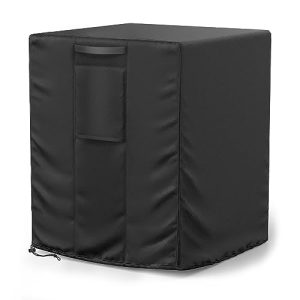
- Installing the outdoor unit at ground level where snow can bury it.
- Skipping duct repairs or sealing in a ducted system.
- Ignoring electrical panel capacity, which may need an upgrade for larger units.
- Assuming incentives apply automatically. Rebates and tax credits vary by region and equipment, so check current program rules before purchase.
Budget Tiers and Final Checklist
Budget-tier systems generally offer fewer low-temperature performance guarantees and less modulation. Mid-range cold climate models strike a balance between capacity retention, efficiency, and noise. Premium models often retain high output at very low temperatures, provide the widest modulation range, and run quietly. Spending more is most justified in regions where winter lows stay well below freezing for weeks.
- Look up the winter design temperature for the local area.
- Compare rated heating capacity at 5 degrees and, if available, minus 13 degrees.
- Check HSPF2, SEER2, and sound ratings.
- Ask for a written heat loss calculation and sizing explanation.
- Plan the backup heat strategy and electrical requirements.
- Confirm outdoor unit placement above snow level with proper clearance.
- Review incentives and warranty terms before signing.
Related guides
- Cool Mist Humidifier For Large Bedroom Easy To Clean
- Combination Smoke And Carbon Monoxide Detectors
- Window Insulation Film Kit For Drafty Windows
Frequently Asked Questions
Can a heat pump really heat a home below zero?
Many cold climate models are designed to continue delivering heat at temperatures well below zero Fahrenheit, though output declines as it gets colder. Checking the manufacturer’s capacity table at low temperatures shows what to expect. Homes in very cold regions often pair them with backup heat for extreme cold snaps.
Do cold climate heat pumps need backup heating?
It depends on the climate, the home’s insulation, and how the system is sized. Many installations keep a furnace, boiler, or electric strips for rare extreme conditions or equipment outages. Some well-insulated homes in moderately cold regions run without any backup.
Is a ductless or ducted system better for cold climates?
Neither is automatically better. Ductless systems work well in homes without ducts and offer room-by-room control, while ducted systems fit houses with good existing ductwork. The right choice depends on the layout, comfort goals, and condition of any existing ducts.
How should the outdoor unit be protected from snow?
Mount it on a stand or wall bracket above expected snow depth, keep clearance around it, and direct roof runoff away from the unit. Clear snow and ice buildup near the unit when it accumulates. Good placement reduces defrost problems and keeps airflow unobstructed.
More from Amazon
Programs that pair well with the guide above. Offers and eligibility are set by Amazon and may change.
Collect the home and kitchen items you want in one registry that guests can shop from.
Create a wedding registrySet up recurring deliveries of everyday items on eligible products. Terms and savings are set by Amazon.
Explore Subscribe & SaveFree shipping on eligible items, Prime Video and more. Eligible new members can start with a free trial.
Start a Prime free trialAudiobooks and podcasts to listen to on the go. Eligible new members can start with a free trial.
Try Audible freeAs an Amazon Associate we earn from qualifying purchases.