Key takeaways
- Side sleepers: Look for enough cushioning to let the shoulder and hip settle without forcing the waist downward. Medium-soft memory foam or a well-quilted pillow top is often comfortable.
- Back sleepers: Choose balanced cushioning rather than maximum plushness. A medium-firm foam topper can support the pelvis while reducing pressure across the lower back.
- Stomach sleepers: Avoid very soft, deep toppers that allow the abdomen and hips to sink. A thinner, firmer layer usually helps maintain a more neutral position.
- Combination sleepers: Favor responsive foam or moderate thickness so turning does not feel like climbing out of a sleeping bag.
What's inside
Back pain can make a familiar bed feel like a campsite with no padding: every hip, shoulder, and lower-back pressure point becomes noticeable by morning. A mattress topper will not correct a badly sagging mattress or replace medical advice, but the right one can fine-tune firmness, spread body weight, and make sleep more comfortable.
This guide explains how to choose a topper for back pain in 2026, with an outdoor-living specialist’s focus on support, temperature control, durability, and practical setup. You’ll learn when memory foam is useful, when a plush fiber pad makes more sense, and how to match thickness and firmness to your sleeping position.
As an Amazon Associate we earn from qualifying purchases.


Start With the Mattress You Already Have
A topper is a comfort layer, not a structural repair. If your mattress has a deep, permanent dip, broken springs, or edges that collapse when you sit down, a thick topper may disguise the problem briefly while allowing poor spinal alignment to continue. Place a straightedge across the mattress or inspect it without bedding; visible hollows are a warning sign.
For a mattress that is simply too firm, a topper can add pressure relief. For one that feels slightly too soft, a supportive foam layer may improve stability, but it cannot make a worn-out mattress truly firm. Check your bed frame as well: a weak or bowed foundation can contribute to back discomfort.
Choose the Right Topper Material
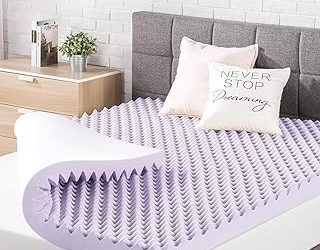
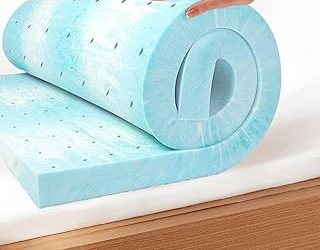
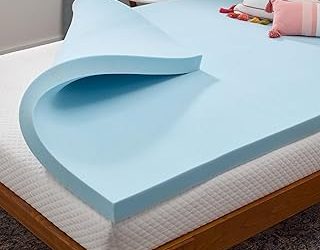
Memory foam provides contouring support around the hips and shoulders. It is often a strong choice for side sleepers and anyone who prefers a stable, “held in place” feel. High-density foam generally lasts longer, though it can retain heat and may feel slow to respond when you change position.
Fiber-filled and pillow-top pads create a softer, more breathable surface. They suit sleepers who want cushioning without the close body hug of foam, and they are usually easier to move or fold during room changes. However, fluffy fill can compress or shift over time, so look for secure quilting, generous elastic, and washable construction.
Gel-infused foam may feel cooler than conventional foam, but no gel layer can eliminate heat entirely. Breathable covers, a ventilated bedroom, moisture-managing sheets, and a mattress protector often make a larger practical difference.
Match Thickness and Firmness to Your Sleep Position
Thickness changes the feel substantially. A topper around 2 to 3 inches can soften a firm mattress while preserving some of its original support. Extra-thick five-inch designs create a more noticeable cushion and may be helpful when pressure relief is the priority, but they can also make a soft mattress feel unstable or raise the sleeping surface considerably.
- Side sleepers: Look for enough cushioning to let the shoulder and hip settle without forcing the waist downward. Medium-soft memory foam or a well-quilted pillow top is often comfortable.
- Back sleepers: Choose balanced cushioning rather than maximum plushness. A medium-firm foam topper can support the pelvis while reducing pressure across the lower back.
- Stomach sleepers: Avoid very soft, deep toppers that allow the abdomen and hips to sink. A thinner, firmer layer usually helps maintain a more neutral position.
- Combination sleepers: Favor responsive foam or moderate thickness so turning does not feel like climbing out of a sleeping bag.
What to Look for in Recommended Picks
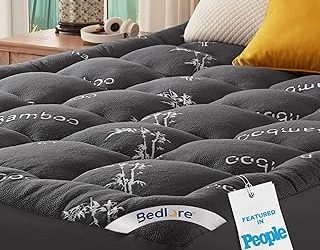
The Niagara Sleep Solution Ultra Soft & Cooling topper and BEDLORE Viscose Bamboo topper emphasize a plush, breathable surface with deep pockets for thicker mattresses. These are worth considering if you want cushioning and tend to sleep warm, but confirm that the pocket depth matches your mattress plus topper.
The ELEMUSE Extra Thick topper uses overfilled down-alternative cushioning for a soft pillow-top feel. It may suit sleepers who dislike foam’s contouring sensation. Because lofty fill can settle, rotate and fluff it regularly, and do not expect it to provide the same consistent pressure distribution as dense foam.
For a more structured feel, the ViscoSoft 3-Inch High-Density Memory Foam topper is a sensible middle ground. Its removable bamboo-rayon cover is practical for maintenance, while the three-inch profile adds noticeable contouring without the height of an extra-deep topper.
The WhatsBedding 5-Inch Memory Foam topper and SHOUREN 5-Inch Gel Memory Foam topper are more substantial choices. They offer pronounced cushioning and body contouring, but measure your fitted sheets and bed height first. Straps, elastic, or a correctly fitted cover can reduce shifting, especially on adjustable or frequently used guest beds.
Check Fit, Care, and Return Policies
Measure the mattress width, length, and height before ordering. Deep-pocket skirts are designed to stretch over a range, but an oversized pocket may bunch while an undersized one can pull the topper out of position. A removable, machine-washable cover is a useful hygiene feature; use a waterproof protector underneath it to guard against spills without placing a noisy, stiff barrier directly above the foam.
Most foam toppers arrive compressed. Give the product the full expansion time specified by the manufacturer, and ventilate the room during setup if there is a temporary new-foam odor. Keep the packaging and review the trial or return terms before opening, since some sellers limit returns after expansion.
Tips
- Allow a new foam topper to expand fully before judging its firmness or smell.
- Rotate a fiber-filled topper regularly to reduce uneven compression; do not fold foam sharply.
- Use a stretchy fitted sheet sized for the combined mattress and topper height.
- Give your body several nights to adapt, but stop using the topper if pain clearly worsens, spreads, or causes numbness.
Frequently Asked Questions
Is a soft or firm topper better for back pain?
Neither is universally best. The target is a neutral sleeping position with enough cushioning to relieve pressure. A topper that feels luxurious in a showroom may allow the hips to sink too far, while an overly firm layer may create pressure at the shoulders and pelvis.
How thick should a mattress topper be?
Two to three inches is a versatile starting point for changing a mattress’s feel. Choose a thicker design when substantial pressure relief is needed, but avoid adding several inches to an already soft mattress or one with poor edge support.
Does memory foam help lower-back pain?
It can help by distributing pressure and limiting movement, particularly when the underlying mattress is sound. Results depend on firmness, body weight, sleeping position, and the cause of the pain. Persistent or severe symptoms should be discussed with a qualified healthcare professional.
How long should a mattress topper last?
Longevity varies with material, density, body weight, use, and care. Dense foam typically resists flattening better than loosely filled fiber, while frequent rotation and a protective cover can extend either type’s useful life. Replace it when it develops lasting valleys, lumps, or a noticeable loss of support.
Conclusion
The best mattress topper for back pain in 2026 is the one that corrects your bed’s comfort problem without creating a new alignment problem. Start with the mattress condition, then match material, thickness, firmness, cooling features, and fit to your sleep position. For consistent contouring, consider a moderate-depth memory foam model; for airy softness, look at a well-secured fiber or pillow-top design. A careful fit and realistic expectations matter just as much as the label on the box.