
Key takeaways
- Match the load rating to your real total. A 500 lb rating covers your bodyweight plus everything in your hands. A 200 lb lifter pressing a pair of 80s sits at 360 lb — comfortable margin. A 250 lb lifter chasing a 315 lb barbell bench is at 565 lb and needs a heavier-duty frame, full stop.
- Check seat height against your legs. Around 17 inches is the standard because it lets most people between 5’4″ and 6’2″ plant their heels flat while keeping the shoulder blades pinned. If you are short, a lower pad or a small platform under each foot matters more than any other feature.
- Read pad width as a shoulder decision. Roughly 10 to 12 inches of pad lets the scapulae retract off the edges, which is what you want for pressing. Wide, sofa-like pads feel plush and actively block that retraction.
- Look at the feet, not just the frame. Rubber or plastic end caps on a wide stance stop lateral rock. Narrow feet on a slick floor will shift, and no amount of steel thickness fixes that. A rubber mat underneath solves it for a few dollars.
- Decide whether you need incline at all. Adjustable benches add hinges, brackets, and a gap between back and seat pad. Flat benches have none of that, which is why they are quieter, sturdier per dollar, and lighter to move. If your program is dumbbell-based, flat covers the overwhelming majority of it.
What's inside
A flat bench is the least glamorous thing you can bolt into a garage gym, and it is also the piece you will touch the most. Every press, row, skull crusher, and step-up runs through it. The frustrating part is that benches fail in quiet ways: a pad that compresses into a taco after four months, a frame that rocks a quarter-inch under a heavy dumbbell press, feet that skate across an epoxy floor mid-set. None of that shows up in a product photo, which is why so many people buy twice.
This guide takes the opposite approach to the usual “top ten” roundup. Rather than pile up options, it examines one honest, inexpensive workhorse — the Cap Barbell Flat Weight Bench Color Series — and gives you the specification-level reasoning to judge whether a flat bench like it belongs in your space, or whether your training has outgrown the category. Expect real numbers: pad thickness, frame gauge, load rating, footprint, and the tradeoffs that come with a bench that costs less than a pair of adjustable dumbbells.
As an Amazon Associate we earn from qualifying purchases at no extra cost to you. Product prices and availability are accurate as of the date shown and are subject to change.




Quick Comparison
| Model | Type | Load Rating | Pad & Upholstery | Footprint | Assembly | Best For |
|---|---|---|---|---|---|---|
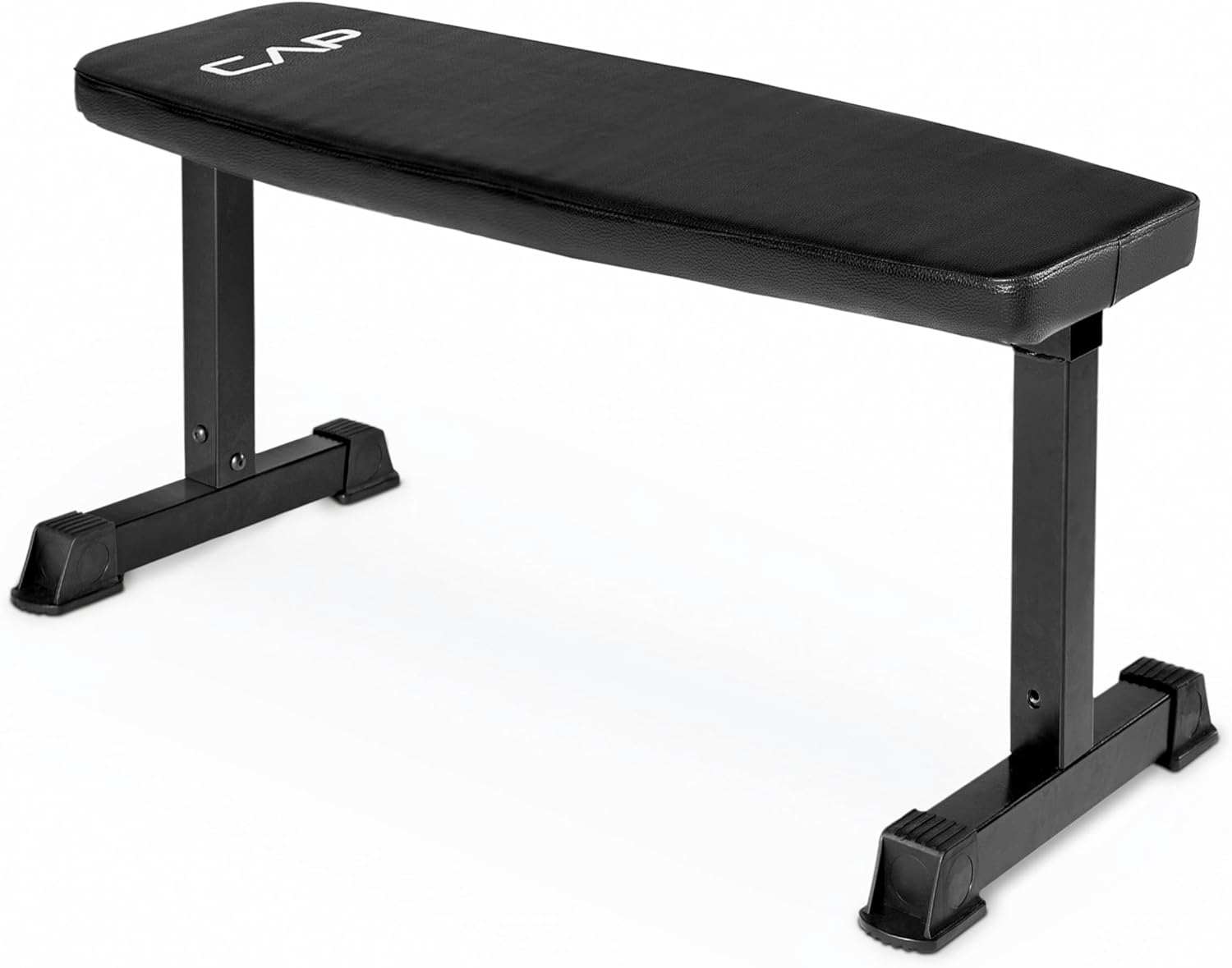
| Cap Barbell Flat Weight Bench Color Series | Fixed flat, non-adjustable | Roughly 500 lb total (user plus load) | About 2 in high-density foam, vinyl cover | Roughly 44 in long × 15 in wide, seat around 17 in high | Light — frame, pad, and hardware; under 30 minutes | Dumbbell work, accessory lifts, apartment and garage setups on a budget |
How to Choose
- Match the load rating to your real total. A 500 lb rating covers your bodyweight plus everything in your hands. A 200 lb lifter pressing a pair of 80s sits at 360 lb — comfortable margin. A 250 lb lifter chasing a 315 lb barbell bench is at 565 lb and needs a heavier-duty frame, full stop.
- Check seat height against your legs. Around 17 inches is the standard because it lets most people between 5’4″ and 6’2″ plant their heels flat while keeping the shoulder blades pinned. If you are short, a lower pad or a small platform under each foot matters more than any other feature.
- Read pad width as a shoulder decision. Roughly 10 to 12 inches of pad lets the scapulae retract off the edges, which is what you want for pressing. Wide, sofa-like pads feel plush and actively block that retraction.
- Look at the feet, not just the frame. Rubber or plastic end caps on a wide stance stop lateral rock. Narrow feet on a slick floor will shift, and no amount of steel thickness fixes that. A rubber mat underneath solves it for a few dollars.
- Decide whether you need incline at all. Adjustable benches add hinges, brackets, and a gap between back and seat pad. Flat benches have none of that, which is why they are quieter, sturdier per dollar, and lighter to move. If your program is dumbbell-based, flat covers the overwhelming majority of it.
Top Picks Reviewed
Cap Barbell Flat Weight Bench Color Series
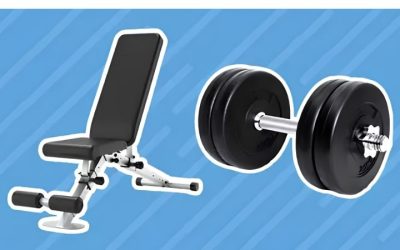
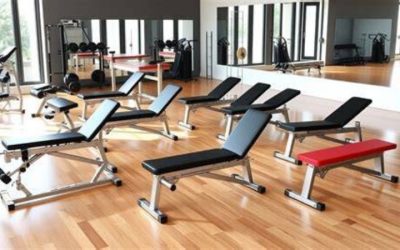
This is the bench that has been quietly sitting in basements and apartment corners for a long time, and its appeal is structural simplicity. A powder-coated steel tube frame, a single fixed pad of roughly two-inch high-density foam under a vinyl cover, four capped feet, and nothing else. There are no adjustment pins to rattle, no hinge to develop slop, no seat-to-back gap digging into your lower back. The color-series treatment — red, blue, green, black depending on availability — is cosmetic, but it is the reason people actually like looking at it in a living space instead of hiding it.
In use, the roughly 500 lb rating is the number that defines the bench’s job. For dumbbell pressing, single-arm rows, hip thrusts, chest-supported work, seated shoulder presses, tricep extensions, and step-ups, that ceiling is generous and you will feel a stable platform. Push it into heavy barbell benching territory with a rack straddling it and you are working against the design intent; the frame is light enough (typically in the 20 to 25 lb range) that it moves easily, which is a virtue for storage and a liability under a loaded bar. Treat it as a dumbbell and accessory bench and it performs above its price bracket.
The honest limitations: the pad is firm rather than luxurious, and taller lifters over about 6’2″ will find the roughly 44-inch length leaves the head near the end of the pad. The vinyl is durable but benefits from a wipe-down, since sweat left to sit is what cracks upholstery on every budget bench ever made. Assembly is genuinely quick, though it is worth re-torquing the bolts after the first week of training — new frames settle, and a snug frame is a silent frame. For someone building a first home setup, or adding a second bench so two people can train, the value proposition is hard to argue with.
Frequently Asked Questions
Can I use a flat bench with a squat rack for barbell bench press?
Only if the combined weight of you and the bar stays well under the bench’s rating, and the bench sits fully inside the rack uprights with the pad centered. A light flat bench with a 500 lb ceiling is fine for a lifter working with moderate loads, but if your working sets plus bodyweight approach that number, buy a dedicated heavy-duty flat bench rated at 1,000 lb or more. This is not a place to gamble.
Does a non-adjustable bench limit my chest development?
Less than most people assume. You can hit an incline-like angle by elevating one end of the bench on a sturdy block or plate, and decline pressing is achievable with floor variations. That said, if incline pressing is a programmed staple you perform weekly, an adjustable bench with multiple back positions is the better long-term purchase.
How do I stop the bench from sliding or rocking?
Put a rubber horse-stall mat or a segment of gym flooring under it. That single change eliminates almost all lateral movement on concrete, tile, and sealed garage floors. After that, check that all four feet contact the ground evenly and that the frame bolts are tight — uneven contact is the usual cause of a rock that feels like a frame defect.
How long should a budget bench realistically last?
Several years of consistent home use, provided the upholstery is wiped down and the hardware is checked a few times annually. Pads fail before frames do, and they fail fastest from trapped sweat and from being stored where sunlight hits the vinyl. Keep it dry and out of direct sun and the foam will outlast your interest in whatever program you are currently running.
Final Thoughts
Buy the bench that matches the training you actually do, not the training you imagine doing. If your gym is dumbbells, bands, and bodyweight work — which describes most home setups — the Cap Barbell Flat Weight Bench Color Series delivers a stable, appropriately sized, easily stored platform for a fraction of what a commercial bench costs, and its lack of moving parts is a feature rather than a compromise. If you are chasing heavy barbell numbers inside a rack, step up to a higher-rated frame and spend the difference there. Either way, add a rubber mat underneath, tighten the bolts after the first week, and wipe the vinyl down. Those three habits separate a bench that lasts from one that gets replaced.
As an Amazon Associate, this site may earn from qualifying purchases made through links on this page.
Write Your Review
No reviews yet. Be the first to share your experience!