Key takeaways
- Blade length: Confirm the exact blade length specified by your saw, since even a small mismatch can prevent proper tensioning or damage the machine.
- Width and thickness: Wider blades track more steadily for straight cuts, while narrower blades are easier to steer around curves and smaller furniture details.
- Tooth pitch: Low TPI blades clear chips quickly in thick wood; higher TPI blades provide smoother cuts in thin wood, tubing, and sheet metal.
- Blade material: Carbon-steel blades suit ordinary woodworking, while bi-metal blades are a better choice for steel, stainless components, nails, and demanding mixed-material jobs.
- Tooth pattern: Regular, hook, and variable-tooth designs affect feed speed, finish, and vibration. Choose a pattern that matches both the material and the cut you make most often.
What's inside
Choosing a band saw blade for outdoor furniture work is rarely as simple as matching the blade to the saw. A blade that glides through thin steel may struggle in hardwood, while an aggressive wood blade can leave rough cuts, wander in thick stock, or wear quickly when exposed to reclaimed lumber, knots, and hidden fasteners. The wrong tooth pattern can turn a clean weekend project into a noisy, frustrating job.
This guide focuses on practical blade selection for home workshops, patio furniture, garden benches, pergola components, and general repair work. We compare tooth count, blade construction, dimensions, and material suitability so you can choose a dependable option for your saw and the work waiting outside.
As an Amazon Associate we earn from qualifying purchases.



How to Choose a Band Saw Blade (2026)
- Blade length: Confirm the exact blade length specified by your saw, since even a small mismatch can prevent proper tensioning or damage the machine.
- Width and thickness: Wider blades track more steadily for straight cuts, while narrower blades are easier to steer around curves and smaller furniture details.
- Tooth pitch: Low TPI blades clear chips quickly in thick wood; higher TPI blades provide smoother cuts in thin wood, tubing, and sheet metal.
- Blade material: Carbon-steel blades suit ordinary woodworking, while bi-metal blades are a better choice for steel, stainless components, nails, and demanding mixed-material jobs.
- Tooth pattern: Regular, hook, and variable-tooth designs affect feed speed, finish, and vibration. Choose a pattern that matches both the material and the cut you make most often.
The Best Band Saw Blades (2026) Reviewed
LENOX Portable Band Saw Blades
The LENOX Tools 44-7/8-inch blades are a useful compact-saw choice for homeowners cutting bolts, brackets, conduit, and light metal hardware during outdoor projects. Their 14 TPI configuration balances cutting speed with control, while the five-pack provides practical spares for a busy workshop or on-site tool kit.
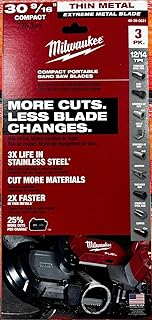
Milwaukee Compact Extreme Thick Metal Blade
Milwaukee’s 30-9/16-inch 12/14 TPI blades are designed for compact portable band saws handling thick metal. They make sense for building or repairing steel frames, gate hardware, and outdoor fixtures where a durable bi-metal blade and variable tooth spacing can help limit chatter and premature tooth wear.
Lenox Classic Tuff Tooth Band Saw Blade
The 93-inch Lenox Classic Tuff Tooth is a substantial bimetal blade for larger stationary saws and demanding metalwork. Its 18 TPI regular-tooth, wavy-set design favors controlled cutting and a cleaner finish on steel sections, making it a strong option when outdoor furniture projects include heavy brackets, tube, or structural components.
Timber Wolf 1/2-Inch Bandsaw Blade
Timber Wolf’s 1/2-inch, 4 TPI blade is aimed at fast, efficient woodworking rather than fine metal cutting. The coarse tooth spacing is well suited to resawing boards, trimming thick slabs, and shaping stock for benches, planters, and rustic patio furniture, where rapid chip removal matters more than a polished edge.
DEWALT Portable Band Saw Blade
The DEWALT DW3983C uses a 32-7/8-inch length, .020-inch thickness, and 18 TPI tooth count for compact portable saws. It is a sensible choice for lighter metal fabrication and maintenance tasks around the property, particularly when you want a smoother cut through thinner material and the convenience of a three-pack.
Frequently Asked Questions
Can one band saw blade cut both wood and metal?
It can, but it will rarely excel at both. A bi-metal blade may handle occasional mixed-material work, yet dedicated wood and metal blades usually deliver better speed, finish, and service life. Always remove nails, screws, and other hidden metal before cutting lumber with a wood blade.
What TPI is best for cutting hardwood?
For thick hardwood, a coarse blade around 3 to 6 TPI generally clears sawdust efficiently and reduces clogging. Thinner boards and detailed cuts benefit from a finer tooth count, though feeding too slowly can still generate heat and burn marks.
Why does my blade wander during a cut?
Wandering can result from a dull blade, insufficient tension, incorrect guide adjustment, excessive feed pressure, or choosing a blade that is too narrow for a straight cut. Check the saw setup before blaming the blade, and let the teeth do the cutting rather than forcing the stock.
How often should I replace a band saw blade?
Replace it when cutting requires noticeably more pressure, the kerf becomes inconsistent, teeth are visibly damaged, or the blade begins producing excessive heat and vibration. Outdoor projects often involve dirty, reclaimed, or weathered wood, so inspect the blade frequently for grit and embedded fasteners.
Final Thoughts
For fast woodworking in thick stock, the Timber Wolf 1/2-Inch blade is a compelling pick; the LENOX Portable blades suit compact metal jobs and routine repairs; and Milwaukee’s Compact Extreme Thick Metal blades are better for heavier steel work. Match the blade to your saw first, then choose tooth pitch and construction for the material you cut most often.