Key takeaways
- Start nearly flat: Raise the head only slightly, then add a modest knee lift if it reduces pressure without tilting your pelvis forward.
- Keep the spine straight: Your ears, shoulders, hips, and knees should form a relaxed line rather than bending toward the mattress.
- Support the top leg: A pillow between the knees can prevent the upper hip from rolling inward and may reduce morning stiffness.
- Use wedges carefully: Place a positioning wedge behind the back or between the legs, not directly beneath a sensitive shoulder or hip joint.
- Choose quiet adjustability: Smooth motors, accessible remotes, lighting, and bedside storage matter when you change position during the night.
What's inside
Side sleepers usually need more than a mattress that feels soft at first touch. Your shoulder and hip must sink far enough to keep the spine level, while the upper leg, waist, and rib cage remain supported. An adjustable base can help, but an overly steep head lift or poorly placed wedge may twist the pelvis, crowd the shoulder, or leave you sliding toward the foot of the bed.
This guide approaches the setup like an outdoor-living sleep system: stable, adjustable, breathable, and easy to fine-tune as conditions change. We cover the best position for an adjustable bed for side sleepers, practical wedge placement, and five useful products for building a more supportive arrangement in 2026.
As an Amazon Associate we earn from qualifying purchases.



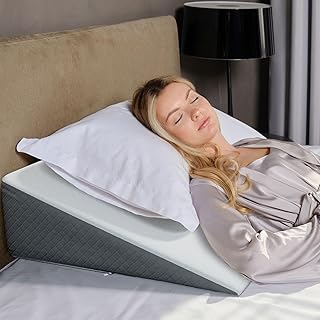
How to Choose a/an Position To Put Adjustable Bed For Side Sleepers (2026)
- Start nearly flat: Raise the head only slightly, then add a modest knee lift if it reduces pressure without tilting your pelvis forward.
- Keep the spine straight: Your ears, shoulders, hips, and knees should form a relaxed line rather than bending toward the mattress.
- Support the top leg: A pillow between the knees can prevent the upper hip from rolling inward and may reduce morning stiffness.
- Use wedges carefully: Place a positioning wedge behind the back or between the legs, not directly beneath a sensitive shoulder or hip joint.
- Choose quiet adjustability: Smooth motors, accessible remotes, lighting, and bedside storage matter when you change position during the night.
The Best Position To Put Adjustable Bed For Side Sleepers (2026)s Reviewed
Tami T600 Adjustable Bed Frame
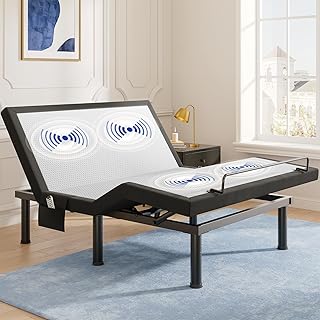
The Tami T600 is a practical choice for sleepers who want the full adjustable-base experience without turning the bedroom into a complicated project. Its zero-gravity setting, massage function, USB ports, side pockets, and nightlight support convenient nighttime adjustments, while the quiet motor is especially helpful when one partner changes position. For side sleeping, begin with a low head elevation and a gentle knee raise rather than using zero gravity at its steepest setting.
Celestial Aurora Adjustable Bed Base and Mattress
This TwinXL combination pairs an adjustable frame with a 12-inch gel memory foam mattress, making it appealing for shoppers who want a coordinated sleep surface instead of mixing components. Head and foot lift, memory positions, and zero gravity provide several starting points, but side sleepers should judge the mattress by shoulder and hip pressure after a full night—not just by its initial medium-soft feel.
Sven & Son Harmony Adjustable Bed Base
The Harmony brings together head and foot lift, massage, under-bed lighting, USB connectivity, memory settings, and zero gravity in a feature-rich Queen base. It suits a bedroom where convenience and easy visibility matter, particularly for reading or getting up at night. For the best side-sleeping posture, save a mild custom position with only enough elevation to ease reflux or snoring without forcing the neck upward.
Fanwer Positioning Wedge Pillow
Fanwer’s three-in-one design is aimed at more targeted support than an adjustable frame can provide on its own. The 40-degree triangle wedges can be used for back positioning, knee elevation, or recovery support, making this a versatile option for sleepers who need to stabilize the body while lying on their side. Place it behind the waist or along the back, checking that it supports rather than pushes the shoulder forward.
Kolbs Bed Wedge Pillow
The Kolbs wedge is a straightforward option for elevating the upper body, with a jacquard cover and a standard-width, 7.5-inch height. It may be useful for side sleepers managing acid reflux, sleep-apnea-related elevation needs, or back discomfort, but the angle can feel substantial when used alone. Pair it with a supportive side-sleeping pillow and keep the adjustable base close to flat until you know the combined height is comfortable.
Frequently Asked Questions
What is the best adjustable-bed position for side sleepers?
A nearly flat position with a small head lift and gentle knee elevation is a sensible starting point. The right setting is the one that keeps your neck and spine neutral while relieving pressure from the shoulder and hip.
Should side sleepers use the zero-gravity setting?
They can, but the preset may be too elevated for some side sleepers. Try it briefly, then reduce the head and foot angles if you feel your pelvis rotating, your neck bending, or your body sliding downward.
Where should a wedge pillow go for side sleeping?
A wedge may sit behind your back to discourage rolling, between or beneath the legs for alignment, or under the upper body for elevation. Avoid placing a firm wedge directly under a pressure-sensitive shoulder or hip.
Is a split adjustable base better for couples who sleep on their sides?
A split base can be useful when partners prefer different head or foot positions. Each person can fine-tune elevation independently, although mattress compatibility and movement between the two sides should be checked before buying.
Final Thoughts
For a complete adjustable setup, the Tami T600 is a strong convenience-focused pick, while the Celestial Aurora is attractive for shoppers wanting a coordinated base-and-mattress package. If targeted body support matters most, the Fanwer positioning wedge adds useful flexibility; whichever option you choose, start low, keep your spine aligned, and adjust gradually.