Key takeaways
- Use a 2-inch topper for a modest comfort adjustment and a 3-inch model for a more substantial pressure-relieving layer.
- Do not use a topper to hide a mattress with major sagging; it may soften the surface temporarily but cannot restore structural support.
- Rotate the topper occasionally if the manufacturer permits, and keep it dry to reduce wear and odor.
- Before buying, confirm the return policy, expanded dimensions, cover-care instructions, and the required sheet depth.
What's inside
A mattress topper can change the feel of a bed without the cost, effort, or permanence of replacing the mattress. For outdoor-living enthusiasts, it is also a practical upgrade for guest rooms, cabins, campers, and spare sleeping spaces where a firmer or thinner mattress may need extra cushioning. Memory foam is especially useful when you want pressure relief and a more settled, supportive sleep surface.
This guide explains how to choose the best memory foam mattress topper in 2026, with attention to thickness, cooling, support, fit, materials, and everyday durability. The featured options cover everything from a modest comfort layer to an extra-thick pillow-top design, so you can match the topper to your mattress, sleep position, climate, and budget.
As an Amazon Associate we earn from qualifying purchases.


Choose the Right Thickness
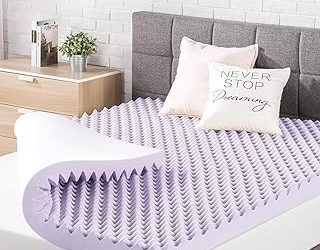
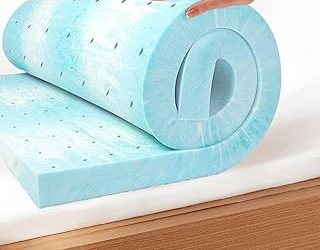
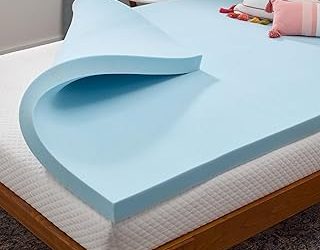
Thickness is the quickest way to predict how dramatically a topper will change your bed. A 2-inch model, such as the Linenspa Memory Foam Mattress Topper, adds cushioning while allowing much of the original mattress feel to remain. This is a sensible choice when your mattress is basically comfortable but feels slightly too firm or lacks pressure relief. It is also easier to handle in a camper, cabin, or guest room.
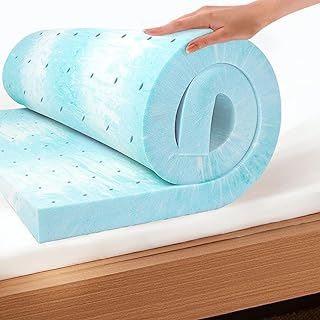
A 3-inch topper offers a more noticeable transformation. The EGO 3 Inch Queen Mattress Topper, Best Price Mattress 3 Inch Ventilated Topper, and SINWEEK 3 Inch Gel Memory Foam Topper are well suited to sleepers who want deeper contouring around the shoulders and hips. Five-inch designs, including the WhatsBedding 5 Inch Topper and SHOUREN 5 Inch Extra Thick Topper, create the most substantial change. They can soften a very firm surface, but they may feel too enveloping for people who prefer easy movement or a responsive bed.
Match the Foam to Your Sleep Position
Side sleepers generally benefit from enough foam to cushion the shoulders and hips, particularly if the mattress underneath is firm. A 3-inch topper is often a useful middle ground. Back sleepers need a balance of contouring and support: too little foam may leave pressure points, while an overly soft, thick topper can allow the pelvis to sink and strain the lower back.
Stomach sleepers usually do best with a thinner, firmer-feeling layer. A 2-inch topper may provide comfort without letting the midsection dip excessively. Combination sleepers should consider how easily they can turn. Traditional memory foam slowly conforms to the body, while ventilated or lower-profile designs often feel less restrictive than very thick pillow-top constructions.
Look for Cooling Features and Reliable Materials
Memory foam can retain body heat, so construction matters if you sleep warm or use the topper in a hot bedroom, tent cabin, or poorly ventilated space. Gel infusion may help moderate the feel of the foam, while perforated or ventilated channels encourage air movement. The EGO, Best Price Mattress, Linenspa, and SINWEEK options all emphasize gel or ventilated construction.
Cooling features are helpful, but they cannot overcome a hot room, heavy bedding, or a non-breathable mattress protector. Choose lightweight sheets, improve airflow around the bed, and avoid placing a foam topper directly on a damp or poorly ventilated surface. Certification is another useful screening tool. CertiPUR-US or CertiPUR certification indicates that the foam has been evaluated against specified standards for emissions, content, and durability; it does not guarantee that every sleeper will find the topper comfortable.
Check Fit, Stability, and Setup
Measure the mattress before ordering. A queen topper should align with a queen mattress, but small variations in mattress dimensions, corner shape, and depth can affect the finished fit. The fitted sheet must be deep enough to accommodate both the mattress and topper, with room to stretch without pulling the topper out of place.
Movement can be an issue with a loose topper, especially on smooth mattress covers or in active sleeping arrangements. Look for a non-slip underside, corner straps, or a cover that grips the mattress. The SHOUREN topper includes four-way straps, while the SINWEEK model uses a removable soft cover. These details can be particularly useful on guest beds, adjustable setups, or beds that are frequently folded, transported, or remade.
Decide Whether You Need a Cover
A removable, washable cover is valuable because foam itself is not usually machine washable. It helps manage sweat, dust, and accidental spills, extending the useful life of the topper. If a model does not include a cover, use a breathable, waterproof protector that does not make the surface feel stiff or trap excessive heat.
When unpacking a compressed topper, place it flat in a well-ventilated room and allow it to expand according to the manufacturer’s directions. A mild “new foam” odor can occur at first. Give the topper time to air out before sleeping on it, particularly in a small cabin, camper, or enclosed bedroom.
Tips
- Use a 2-inch topper for a modest comfort adjustment and a 3-inch model for a more substantial pressure-relieving layer.
- Do not use a topper to hide a mattress with major sagging; it may soften the surface temporarily but cannot restore structural support.
- Rotate the topper occasionally if the manufacturer permits, and keep it dry to reduce wear and odor.
- Before buying, confirm the return policy, expanded dimensions, cover-care instructions, and the required sheet depth.
Frequently Asked Questions
Are memory foam mattress toppers good for back pain?
They can reduce pressure by distributing weight more evenly, but comfort depends on the sleeper and the mattress beneath it. A medium-thick topper may improve a firm bed, while a thick, soft topper can worsen alignment for some people. Persistent or severe back pain should be discussed with a qualified healthcare professional.
Is a 3-inch topper better than a 2-inch topper?
Neither is universally better. A 3-inch topper provides more contouring and changes the mattress feel more dramatically. A 2-inch model preserves more of the original support and is easier to manage in compact or temporary sleeping spaces.
How long do memory foam toppers last?
Service life varies with foam density, body weight, use, temperature, and how well the topper is protected. Regularly check for permanent impressions, uneven support, crumbling foam, or new discomfort. Those signs indicate that replacement may be more useful than continued rotation.
Can I put a memory foam topper on any mattress?
Most toppers work on standard innerspring, hybrid, and foam mattresses, provided the base is reasonably level and supportive. They are less effective on a mattress with deep sagging, a damaged foundation, or moisture problems. Make sure the bed frame also supports the combined height and weight.
Conclusion
The best memory foam mattress topper is the one that corrects a specific problem without creating another. Choose thickness according to how much you want to change the bed, prioritize ventilation if you sleep warm, and look for a secure fit and washable protection. For a gentle upgrade, consider the Linenspa; for deeper cushioning, compare the 3-inch EGO, Best Price Mattress, and SINWEEK options; and choose a 5-inch design only when substantial plushness and contouring are genuinely needed.