Key takeaways
- Capacity: Match interior volume to your household and shopping habits, but remember that shelf arrangement can matter more than the headline cubic-foot figure.
- Configuration: Top-freezer, bottom-freezer, and French-door layouts suit different routines. Choose the arrangement that places your most-used foods at a comfortable height.
- Dimensions: Measure the opening, nearby walls, door-swing area, and delivery route. Include clearance for ventilation and future maintenance.
- Temperature control: Adjustable thermostats and separate cooling zones help protect fresh food through seasonal temperature changes and heavy-use periods.
- Efficiency and upkeep: Look for ENERGY STAR certification where available, quiet operation, reversible doors, easy-clean surfaces, and accessible shelves that support simple maintenance.
What's inside
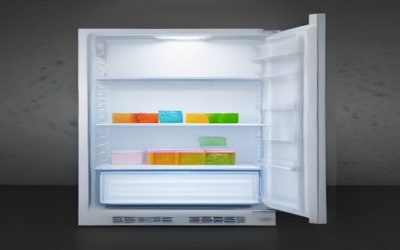
A refrigerator without a built-in water dispenser can be a smarter fit for outdoor-minded households, compact kitchens, and anyone who prefers fewer plumbing connections to maintain. Dispenser-free models usually reclaim door space, simplify cleaning, and avoid the leaks, filters, and repair points associated with external water systems.
This guide compares practical refrigerators for apartments, offices, cabins, and full-size kitchens. We focus on usable capacity, layout, energy-conscious operation, temperature control, installation flexibility, and the everyday advantages of keeping chilled water in a reusable bottle or pitcher instead of relying on a door dispenser.
As an Amazon Associate we earn from qualifying purchases.


How to Choose a Refrigerator Without Water Dispenser (2026)
- Capacity: Match interior volume to your household and shopping habits, but remember that shelf arrangement can matter more than the headline cubic-foot figure.
- Configuration: Top-freezer, bottom-freezer, and French-door layouts suit different routines. Choose the arrangement that places your most-used foods at a comfortable height.
- Dimensions: Measure the opening, nearby walls, door-swing area, and delivery route. Include clearance for ventilation and future maintenance.
- Temperature control: Adjustable thermostats and separate cooling zones help protect fresh food through seasonal temperature changes and heavy-use periods.
- Efficiency and upkeep: Look for ENERGY STAR certification where available, quiet operation, reversible doors, easy-clean surfaces, and accessible shelves that support simple maintenance.
The Best Refrigerator Without Water Dispensers (2026) Reviewed
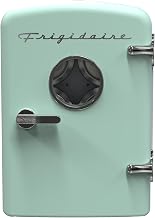
Frigidaire 7.5 Cu. Ft. Apartment Refrigerator
The Frigidaire Platinum Series is a compact two-door choice for apartments, guest suites, offices, and cabins where floor space is limited. Its stainless finish gives it a polished appearance, while the separate freezer compartment provides useful frozen-food storage without the bulk of a full-size model.
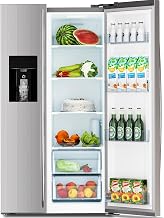
Winia 26.1 Cu. Ft. French Door Refrigerator
Winia’s WRFS26ABTD offers generous storage in a clean French-door design without a dispenser interrupting the exterior. It is a strong option for families who want wide refrigerator shelves, a spacious lower freezer, and an uncluttered door that is easier to wipe down after outdoor cooking or busy family meals.
Upstreman 20.2 Cu. Ft. Top-Freezer Refrigerator
This ENERGY STAR Certified Upstreman model balances substantial capacity with a familiar, efficient top-freezer layout. Its adjustable thermostat and reversible door add flexibility, making it particularly practical for apartments, workspaces, and utility kitchens where installation conditions may change.
LG 27 Cu. Ft. French Door Smart Refrigerator
The LG LRFLC2706S is the premium pick for households seeking extensive storage and connected-kitchen convenience without a water dispenser on the front. Its French-door format is well suited to large platters and produce, while the smart features can help users monitor and manage the appliance more easily.
Upstreman 7.1 Cu. Ft. Bottom-Freezer Refrigerator
The BM71 places fresh food at eye level while keeping frozen items in a lower drawer, a helpful arrangement for people who reach into the refrigerator far more often than the freezer. Its compact footprint and adjustable thermostat make it a sensible choice for apartments, dorms, small homes, and cabin kitchens.
Frequently Asked Questions
Why choose a refrigerator without a water dispenser?
A dispenser-free refrigerator generally has fewer components that can leak, clog, or require replacement. It may also provide more usable door storage and a simpler exterior, while a countertop pitcher or filtered bottle can handle drinking water needs.
Are refrigerators without dispensers more energy efficient?
They can be, although efficiency depends on the complete design, insulation, size, and certification. Removing the dispenser does eliminate the energy used by certain ice-making and chilled-water systems, but shoppers should still compare the appliance’s official energy information.
What refrigerator style is best for a small kitchen?
A compact apartment refrigerator or a top-freezer model is often easiest to fit and install. Before buying, check width, depth, height, door clearance, hinge placement, and the path from the entrance to the final location.
How do I keep drinking water cold without a dispenser?
Use a refillable pitcher, insulated bottle, or countertop filtration system. These options are easy to clean, portable for patios and campsites, and convenient when you want cold water away from the kitchen.
Final Thoughts
For compact living, the Frigidaire 7.5 Cu. Ft. model is an efficient space-conscious choice, while the Upstreman 20.2 Cu. Ft. offers a practical capacity and installation balance. Larger households should consider the Winia French Door or LG 27 Cu. Ft. refrigerator for broader storage and an uncluttered, dispenser-free exterior.