Key takeaways
- Material: PVC is usually lighter and easier to handle, while rubber generally offers a denser, more resilient feel under vehicles, equipment, and workbenches.
- Dimensions: Measure the intended zone rather than the entire garage, then account for door clearance, wall gaps, and any need to trim around shelving or posts.
- Surface texture: Diamond-plate and ribbed patterns can improve footing and disguise everyday marks, but heavily textured surfaces may require more effort when sweeping or mopping.
- Installation: Rolls are quick to lay out but benefit from a clean, level slab and time to relax flat; interlocking tiles are easier to replace in sections.
- Maintenance: Look for waterproof, wipe-clean surfaces and plan a simple routine of sweeping grit, rinsing mud, and drying the floor before parking on it again.
What's inside
Garage floors take a beating from road grit, leaking fluids, dropped tools, muddy boots, and the constant movement of tires. Bare concrete is tough, but it can still stain, shed dust, feel cold underfoot, and become slippery when wet. The right roll or tile system creates a more comfortable outdoor-living and workshop transition zone while making cleanup far less demanding.
This guide compares garage flooring rolls and one modular alternative with an emphasis on practical installation, weather resistance, traction, maintenance, and fit. Whether you are protecting the parking area beneath a midsize SUV, building a hobby workshop, or creating a cleaner space for camping gear and bikes, these options cover different garage sizes and use levels.
As an Amazon Associate we earn from qualifying purchases.



How to Choose a/an Garage Flooring Rolls (2026)
- Material: PVC is usually lighter and easier to handle, while rubber generally offers a denser, more resilient feel under vehicles, equipment, and workbenches.
- Dimensions: Measure the intended zone rather than the entire garage, then account for door clearance, wall gaps, and any need to trim around shelving or posts.
- Surface texture: Diamond-plate and ribbed patterns can improve footing and disguise everyday marks, but heavily textured surfaces may require more effort when sweeping or mopping.
- Installation: Rolls are quick to lay out but benefit from a clean, level slab and time to relax flat; interlocking tiles are easier to replace in sections.
- Maintenance: Look for waterproof, wipe-clean surfaces and plan a simple routine of sweeping grit, rinsing mud, and drying the floor before parking on it again.
The Best Garage Flooring Rolls (2026)s Reviewed
VEVOR 7.5 x 20 ft PVC Garage Floor Roll
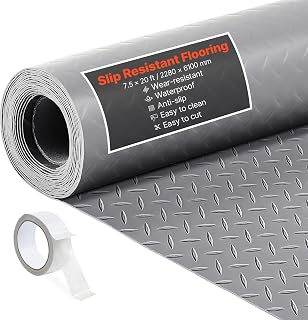
This broad silver-gray PVC mat is a practical choice for covering a substantial parking or work area without committing to a permanent floor coating. Its diamond-plate texture and included double-sided tape are useful for improving stability at the edges, while the 2.2 mm profile remains relatively manageable to position and trim.
7.8 x 18 ft Thickened Rubber Garage Floor Roll
Designed with a midsize vehicle footprint in mind, this 2.8 mm roll provides a more substantial layer beneath an SUV or sports car than a lightweight utility mat. The rubber construction is appealing for buyers who want a cushioned, hard-wearing surface under tires and prefer a larger continuous piece over multiple seams.
VEVOR 12 x 12 in Interlocking Garage Floor Tiles
These polypropylene tiles are the most flexible option in the group for creating a custom layout. Their interlocking format makes installation approachable and allows individual damaged sections to be replaced, making them especially useful in repair areas, basements, or garages that need zones for tools, storage, and recreation.
VEVOR 4 x 20 ft 3 mm Rubber Garage Floor Roll
With a 3 mm rubber build, this black roll is suited to narrower lanes, benches, trailers, or a dedicated workshop strip rather than broad whole-garage coverage. The waterproof, wear-resistant surface and diamond pattern make it a strong fit for spaces where equipment, moisture, and frequent foot traffic are part of the daily routine.
VEVOR 7.5 x 17 ft PVC Garage Floor Roll
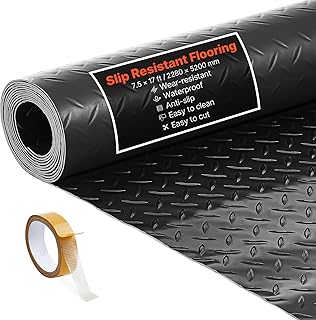
This black PVC roll balances generous coverage with a slightly shorter length than the 20-foot versions. It is a sensible pick for a single parking bay or multipurpose garage zone, and the diamond surface should help keep the area looking orderly between cleanups while the included tape assists with edge control.
Frequently Asked Questions
Are garage flooring rolls better than tiles?
Neither format is universally better. A roll creates fewer seams and can be faster for covering a parking bay, while tiles offer easier installation around obstacles and simpler repair if one section becomes damaged.
Can these mats go directly over concrete?
They are generally intended for hard, level surfaces, but preparation matters. Sweep and degrease the slab, remove sharp debris, repair major cracks, and allow any damp area to dry before laying the flooring.
Will a garage floor roll stop oil stains?
A waterproof mat can protect the concrete beneath it from many spills, but it is not a substitute for immediate cleanup. Blot fresh fluid promptly and use a cleaner compatible with the flooring material rather than allowing residue to sit.
How do I keep a garage mat flat?
Unroll it on a clean surface and give it time to relax before final placement. Avoid trapping folds under heavy objects, and use the manufacturer-supplied tape or suitable edge securing methods where movement or curling remains a concern.
Final Thoughts
For broad, straightforward coverage, the VEVOR 7.5 x 20 ft PVC roll is a versatile starting point; the 7.8 x 18 ft rubber mat is better for a substantial vehicle-centered surface, while the VEVOR interlocking tiles offer the easiest path to a customized, repairable layout.