Key takeaways
- Measure the full delivery path, including doorways, stair turns, and the refrigerator’s required opening clearance.
- Use a water filter rated for your refrigerator and replace it according to the appliance’s schedule.
- Keep the condenser area clear and follow the manual’s cleaning instructions to support efficient cooling.
- For frequent outdoor entertaining, compare the cost and installation needs of a dedicated ice machine with buying a larger refrigerator.
What's inside
Choosing the best refrigerator with an ice maker is less about finding the biggest appliance and more about matching ice production, storage, layout, and energy use to the way your household actually lives. A reliable ice maker is especially valuable when you host often, spend time outdoors, or want to fill coolers without constantly buying bags of ice.
This guide explains what to look for before buying, from freezer configuration and ice capacity to installation clearances and serviceability. It also includes options ranging from compact apartment refrigerators to full-size French-door models, plus a separate under-counter ice machine for homes where the built-in maker cannot keep up.
As an Amazon Associate we earn from qualifying purchases.


Start With the Right Kind of Ice Maker
There are two main choices: a refrigerator with a built-in ice maker or a dedicated ice machine. A built-in system is the most convenient option for everyday use because it produces and stores ice inside the appliance. It also keeps the kitchen footprint tidy. However, refrigerator ice makers are generally designed for normal household demand rather than continuous entertaining.
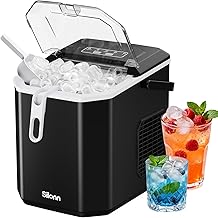
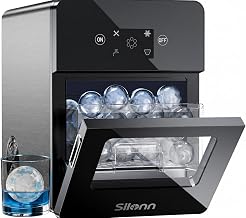
A standalone unit makes more sense if you regularly fill coolers, host large gatherings, or want ice available near a patio, bar, or outdoor kitchen. The Commercial Ice Maker Machine 100 Lbs/24H is an under-counter or freestanding-style option with a stated production rate of up to 100 pounds per day and a 20-pound storage bin. Its dual water-inlet design can make installation more flexible, but it still needs suitable drainage, ventilation, and a dedicated location.
Choose a Layout That Fits Your Routine
French-door refrigerators place fresh food at eye level and use a bottom freezer drawer for frozen items. This layout is convenient for households that open the refrigerator more often than the freezer, and wide shelves are useful for platters and large containers. The 16 Cu. Ft. French Door Refrigerator with Ice Maker is a relatively compact example for kitchens that need a full-height appliance without an oversized capacity.
For smaller homes, the Upstreman 7.1 Cu.Ft. Refrigerator with Bottom Freezer, model BM71, offers a more apartment-friendly footprint. Measure the doorway, hallway, and final installation space—not just the refrigerator opening. A refrigerator that fits between cabinets may still fail to enter the home or open fully beside a wall.
Larger French-door models offer more flexible storage, but their depth and door swing deserve careful planning. The KoolMore Counter Depth French Door Refrigerator provides a shallower profile with four-door organization, while the Samsung 26 cu. ft. Mega Capacity Counter Depth 3-Door French Door Refrigerator adds multiple ice formats for households that value entertaining and drink variety.
Compare Ice Capacity and Production
Look beyond the phrase “built-in ice maker.” Production rate tells you how quickly the system can make ice, while bin capacity tells you how much is ready at one time. A refrigerator may produce a useful daily supply but still run short during a party if its storage bin is small. Fast production is also affected by room temperature, freezer temperature, water pressure, and how frequently the ice bin is emptied.
Different ice shapes can matter more than expected. Cubes are versatile for coolers and pitchers, while smaller or specialty pieces may suit cocktails and soft drinks. The Samsung model lists four types of ice, which may appeal to households that entertain frequently. For simpler needs, a standard automatic ice maker is often easier to maintain and leaves more freezer space available.
Check Water, Power, and Installation Requirements
Most automatic refrigerator ice makers require a plumbed water connection. Confirm that your kitchen has an accessible shutoff valve and that the included or recommended line can reach it without sharp bends. If plumbing is difficult, consider a model or ice machine with a reservoir or alternative water-fill arrangement, while checking the manufacturer’s installation instructions first.
Leave the clearance specified by the manufacturer around the sides, top, and rear. Adequate airflow helps the compressor work efficiently and reduces heat buildup. Counter-depth refrigerators can look more integrated, but they may offer less interior volume than standard-depth models. Also verify that the ice dispenser, freezer drawer, and refrigerator doors can open without striking an island or adjacent cabinet.
Assess Cooling, Maintenance, and Long-Term Value
Features such as frost-free operation, automatic defrost, multi-airflow circulation, and inverter compressors can improve convenience and temperature consistency. The Antarctic Star 17.5 Cu. Ft. French Door Refrigerator combines a bottom freezer, automatic ice maker, multi-airflow cooling, and an inverter compressor in a mid-size format. These features are useful, but they should not replace checking warranty coverage, replacement filters, service access, and user reviews for ice-maker reliability.
Stainless-look finishes can be easier to coordinate with other appliances, while fingerprint-resistant surfaces reduce daily cleaning. Clean the ice bin periodically, discard old ice that has absorbed odors, and replace the water filter on schedule when the refrigerator uses one. A refrigerator with fewer electronic features may be the better value if you prioritize straightforward operation and easier repairs.
Tips
- Measure the full delivery path, including doorways, stair turns, and the refrigerator’s required opening clearance.
- Use a water filter rated for your refrigerator and replace it according to the appliance’s schedule.
- Keep the condenser area clear and follow the manual’s cleaning instructions to support efficient cooling.
- For frequent outdoor entertaining, compare the cost and installation needs of a dedicated ice machine with buying a larger refrigerator.
Frequently Asked Questions
Is a refrigerator ice maker worth having?
For most households, yes. It provides convenient ice without using countertop space or making repeated trips to the store. It is most worthwhile when the water connection is already available and your expected demand is moderate.
Which refrigerator layout is best for families?
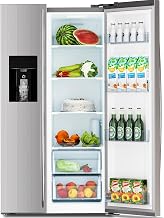
A French-door refrigerator with a bottom freezer is often a practical choice because fresh foods are easy to reach and wide shelves accommodate large dishes. A side-by-side layout may suit narrow kitchens, while a compact bottom-freezer model can be better for apartments.
Can I add an ice maker to a refrigerator that does not include one?
Sometimes, but only when the manufacturer offers a compatible kit and the refrigerator is designed for the installation. Universal modifications can cause leaks, electrical problems, or warranty issues, so check the model documentation before buying accessories.
What is better for parties: a refrigerator ice maker or a standalone machine?
A dedicated ice machine is usually better for high-volume demand because it produces and stores ice separately from the freezer. A refrigerator ice maker is more convenient for everyday drinks and takes up less space, but its output may not match repeated cooler-filling or party use.
Conclusion
The best refrigerator with an ice maker is the one that fits your kitchen, water supply, storage habits, and expected ice demand. Compact models such as the Upstreman suit smaller spaces, while French-door choices from KoolMore, Antarctic Star, Samsung, and other full-size designs offer more room and features. If ice production is your primary concern, pair a suitable refrigerator with a dedicated commercial-style ice machine rather than forcing one appliance to handle every job.