Key takeaways
- Temperature range: Choose a model that can maintain the range specified for your insulin, with enough control to avoid accidental freezing. A visible display is especially useful outdoors.
- Temperature stability: Cooling performance matters more than a low advertised minimum. Look for active cooling, dependable insulation, and an alarm or warning system when available.
- Power supply: For road trips and camping, prioritize USB, 12-volt vehicle, and rechargeable-battery options. Check whether batteries are included and how long they operate between charges.
- Portability: A handle, compact footprint, protective case, and secure interior layout make a noticeable difference when walking from a trailhead to a campsite or moving through an airport.
- Capacity and safeguards: Make sure the interior fits your pens or vials without crowding. Prevent direct contact with cooling surfaces, and use a separate thermometer if medication safety is critical.
What's inside
Best Mini Fridge For Insulin (2026) — Keeping insulin within its recommended temperature range is harder than it sounds when you are moving between home, work, campsites, airports, and long road trips. A standard food cooler can freeze medication, warm up unpredictably, or offer no reliable temperature readout, while a full medical refrigerator is often too bulky for everyday outdoor living.
This guide focuses on compact insulin refrigerators and travel coolers that are easier to monitor and carry. We compare temperature control, power options, portability, alarms, capacity, and practical use in cars, tents, hotel rooms, and home offices. Always follow your medication’s storage instructions and confirm acceptable temperatures with a pharmacist or healthcare professional.
As an Amazon Associate we earn from qualifying purchases.


How to Choose a Mini Fridge For Insulin (2026)
- Temperature range: Choose a model that can maintain the range specified for your insulin, with enough control to avoid accidental freezing. A visible display is especially useful outdoors.
- Temperature stability: Cooling performance matters more than a low advertised minimum. Look for active cooling, dependable insulation, and an alarm or warning system when available.
- Power supply: For road trips and camping, prioritize USB, 12-volt vehicle, and rechargeable-battery options. Check whether batteries are included and how long they operate between charges.
- Portability: A handle, compact footprint, protective case, and secure interior layout make a noticeable difference when walking from a trailhead to a campsite or moving through an airport.
- Capacity and safeguards: Make sure the interior fits your pens or vials without crowding. Prevent direct contact with cooling surfaces, and use a separate thermometer if medication safety is critical.
The Best Mini Fridge For Insulin (2026)s Reviewed
ZSWCBRT Mini Medical Fridge
The ZSWCBRT Mini Medical Fridge is a purpose-built travel cooler with a Fahrenheit display and a stated cooling range of 32°F to 47°F. Its compact cooler-box design suits short trips, bedside storage, and car travel, though users should monitor contents carefully because the lower end of that range approaches the freezing point for some medications.
Electric Insulin Cooler, 0–18°C
This portable insulin refrigerator uses an LCD temperature display and includes two rechargeable batteries, making it a practical choice for day hikes, travel days, and places where wall power is limited. Its 0–18°C range offers flexibility, but the broad span means buyers should set and verify the temperature rather than rely on the default setting.
Electric Insulin Cooler, 32–64°F
The Fahrenheit version of this electric insulin cooler is convenient for shoppers who prefer familiar readings rather than converting from Celsius. Two rechargeable batteries support mobile use, while the portable format works well for keeping pens and vials organized during commutes, hotel stays, and vehicle-based adventures.
Upgraded Insulin Cooler Case
This upgraded insulin cooler case combines a carry handle with an alarm, USB charging, and a stated 2–8°C cooling range. Its single-layer Celsius display is simple to read, and the alarm adds reassurance when temperatures move outside the intended zone; pack medication so it does not rest directly against the coldest surface.
Cooluli 4L Mini Fridge
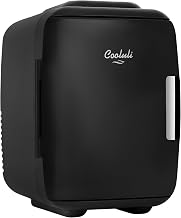
The Cooluli 4L Mini Fridge is not marketed exclusively for insulin, but its compact AC/DC and USB-compatible design can be useful for organized home storage or vehicle travel when paired with careful temperature monitoring. It is best for buyers who also want a versatile cooler for drinks, skincare, or snacks rather than a dedicated medication case.
Frequently Asked Questions
Can a regular mini fridge store insulin?
It may, but many household mini fridges have uneven cooling and can create freezing spots. A medical-focused cooler with a temperature display is generally easier to monitor, and an independent thermometer provides an additional check.
What temperature should insulin be stored at?
Storage requirements vary by insulin product, whether it is unopened or in use, and the manufacturer’s instructions. Many unopened products are refrigerated, but do not assume every insulin formulation has identical rules; consult the package insert, pharmacist, or care team.
Is a rechargeable insulin cooler useful for camping?
Yes, provided its battery runtime matches your trip and you have a backup charging plan. Bring vehicle power, a compatible power bank if approved by the manufacturer, or another reliable source, and avoid leaving the cooler in direct sun or a hot vehicle.
How can I prevent insulin from freezing?
Use the manufacturer’s recommended setting, keep medication away from vents or cold plates, and check the display regularly. If insulin freezes or may have frozen, do not assume it remains usable; contact a pharmacist or healthcare professional for product-specific advice.
Final Thoughts
For dedicated medication storage, the ZSWCBRT Mini Medical Fridge and the upgraded 2–8°C Insulin Cooler Case are strong starting points, while the rechargeable 0–18°C Electric Insulin Cooler is appealing for mobile outdoor use. The Cooluli is the most versatile general-purpose option, but buyers should add careful temperature monitoring and confirm that its performance suits their specific insulin.