Key takeaways
- Wood species: Maple is dense and wear-resistant, while birch offers a useful balance of strength, cost, and a lighter appearance. Either can work well when properly supported.
- Thickness: A 1.5-inch top is a strong all-purpose choice for clamping, assembly, and general shop use. Thinner tops need closer support spacing to prevent bounce.
- Construction: Edge-glued butcher block is practical and widely available. Look for a well-machined, consistently joined surface rather than simply choosing the largest slab.
- Finish: Unfinished wood is easy to customize with oil, varnish, or hardwax. Oiled tops feel natural but need periodic maintenance, especially in damp garages or semi-outdoor spaces.
- Base and support: The strongest hardwood top can sag if the frame is weak. Match the top to a rigid base, add center support for long spans, and seal every face and edge before outdoor-adjacent use.
What's inside
Best Hardwood For Workbench (2026) — Choosing a workbench surface is less about picking the hardest board and more about matching the wood to your tools, climate, and working style. A top that is too thin may flex under hand-planing, while an overly delicate finish can quickly show dents, glue marks, and outdoor humidity changes.
This guide compares practical hardwood workbench options for garages, workshops, studios, and covered outdoor work areas. We focus on thickness, stability, surface treatment, size, load support, and how easily each top can be repaired or adapted to a custom base.
As an Amazon Associate we earn from qualifying purchases.


How to Choose a Hardwood For Workbench (2026)
- Wood species: Maple is dense and wear-resistant, while birch offers a useful balance of strength, cost, and a lighter appearance. Either can work well when properly supported.
- Thickness: A 1.5-inch top is a strong all-purpose choice for clamping, assembly, and general shop use. Thinner tops need closer support spacing to prevent bounce.
- Construction: Edge-glued butcher block is practical and widely available. Look for a well-machined, consistently joined surface rather than simply choosing the largest slab.
- Finish: Unfinished wood is easy to customize with oil, varnish, or hardwax. Oiled tops feel natural but need periodic maintenance, especially in damp garages or semi-outdoor spaces.
- Base and support: The strongest hardwood top can sag if the frame is weak. Match the top to a rigid base, add center support for long spans, and seal every face and edge before outdoor-adjacent use.
The Best Hardwood For Workbench (2026)s Reviewed
OLBRUS 48-Inch Adjustable Workbench
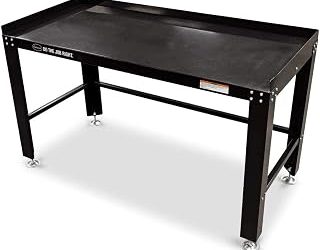
The OLBRUS 48-inch workbench is the most complete option for buyers who want a ready-to-use station rather than a separate hardwood top. Its adjustable format, integrated power outlet, rubber work surface, and stated 2,000-pound capacity make it particularly useful in a garage or mixed-use workshop where flexibility matters.
Kreg Hardwood Bench Top
The Kreg HWBT-3224 is a compact solid hardwood top designed for a purpose-built bench or mobile base. Its 24-by-32-inch footprint suits smaller workshops, and the precision-machined surface gives hobbyists a clean starting point for assembly, routing, and light joinery. It is a sensible choice where floor space is limited.
Unfinished Birch Butcher Block Slab
This 50-by-25-inch unfinished birch slab offers generous working space for a custom bench, desk, island, or utility station. Birch provides a bright, even appearance and can be sealed to suit a workshop, though buyers should plan the supporting frame carefully because the broad surface needs consistent support along its length.
Solid Maple 24-by-60-Inch Countertop
The 24-by-60-inch maple butcher block is one of the strongest candidates for a traditional woodworking bench. Its 1.5-inch thickness and long, stable work area provide room for clamping, layout, and larger projects. Maple’s dense surface is well suited to repeated shop use, but the finished bench will be heavy and should have a sturdy base.
BenchPro Oiled Butcher Block Workbench Top
BenchPro combines a one-inch solid wood oiled top with an adjustable-height frame, making it appealing for craft rooms, standing work, and lighter furniture projects. The slimmer top is easier to move than a heavy traditional bench, but it is better suited to assembly, repair, and general utility work than forceful hand-planing.
Frequently Asked Questions
What is the best hardwood for a workbench?
Maple is an excellent all-around choice because it is dense, durable, and resistant to everyday wear. Birch is also a capable option when you want a lighter-colored surface and a more approachable price, provided the top is adequately supported.
Is a butcher block top suitable for woodworking?
Yes. A hardwood butcher block can serve as a very capable workbench surface for assembly, sanding, routing, and general joinery. Choose a thicker top for hand tools, attach it to a rigid base, and protect it with a finish that can be renewed rather than one that is difficult to repair.
Should a workbench top be finished?
Finishing is recommended, especially in an unheated garage, shed, or covered outdoor workspace. Seal the top, underside, and edges to slow moisture exchange. An oil or hardwax finish is easy to refresh, while a tougher film finish offers more resistance to spills and stains.
How thick should hardwood be for a workbench?
For most home workshops, 1.5 inches is a dependable target. A one-inch top can work well for lighter tasks when the frame includes close support, while thicker construction is beneficial for heavy clamping, hand-planing, and long-term rigidity.
Final Thoughts
The solid maple 24-by-60-inch top is the strongest traditional choice for serious woodworking, while the Kreg hardwood bench top suits compact shops and custom bases. For buyers who want an immediately usable station, the OLBRUS adjustable workbench offers the most convenience; the Birch butcher block is the better route for a larger, finish-it-yourself project.