Key takeaways
- Weight and thickness: Aim for a substantial hand-feel, ideally 1mm or thicker on woven goods. Lightweight decorator cloth telegraphs foam texture, shows staple lines, and splits at stress points within a season or two of daily pull-out-the-chair use.
- Cleanability over prettiness: Dining seats live in the splash zone. Vinyl and PU wipe clean with a damp cloth, while woven linens need a stain-repellent topcoat if you are feeding kids, pouring red wine, or hosting outdoors.
- Yardage math: Measure the seat, add four to six inches on every side for wrap and staple depth, then add a full seat’s worth of insurance. A standard side chair eats roughly half a yard; a wide upholstered dining chair can approach a full yard.
- Stretch behavior: Fabric with a little give hugs curved corners cleanly. Rigid material demands neat pleats instead of gathers, so plan your corner technique before the first staple goes in.
- Light exposure: Sunroom and patio-adjacent chairs need UV-stable pigment. Marine vinyl is engineered for exactly this, whereas deep-dyed natural linen will shift tone unevenly where the sun lands hardest.
What's inside
Dining chairs take a beating that patio furniture designers understand better than most: spilled drinks, sun streaming through a window wall, chairs dragged across the threshold to the deck for a summer dinner, then hauled back in. If you have spent any time specifying fabric for covered porches or three-season rooms, you already know the hard truth that catches most first-time DIYers off guard. The seat cover fails long before the frame does, and it usually fails at the corners, where staples pull and thin cloth frays into a fuzzy halo.
This guide approaches dining chair reupholstery the way an outdoor-living pro spec’s a seating group: by matching material weight, cleanability, and stretch to how the chair actually gets used. Below you will find six fabrics worth your staple gun in 2026, spanning faux linens with real substance, buttery PU leathers, and marine-grade vinyls built for indoor-outdoor crossover. We cover what to look for before you buy, honest notes on each option, and answers to the questions that come up mid-project.
As an Amazon Associate we earn from qualifying purchases.



How to Choose a Material To Reupholster Dining Room Chairs (2026)
- Weight and thickness: Aim for a substantial hand-feel, ideally 1mm or thicker on woven goods. Lightweight decorator cloth telegraphs foam texture, shows staple lines, and splits at stress points within a season or two of daily pull-out-the-chair use.
- Cleanability over prettiness: Dining seats live in the splash zone. Vinyl and PU wipe clean with a damp cloth, while woven linens need a stain-repellent topcoat if you are feeding kids, pouring red wine, or hosting outdoors.
- Yardage math: Measure the seat, add four to six inches on every side for wrap and staple depth, then add a full seat’s worth of insurance. A standard side chair eats roughly half a yard; a wide upholstered dining chair can approach a full yard.
- Stretch behavior: Fabric with a little give hugs curved corners cleanly. Rigid material demands neat pleats instead of gathers, so plan your corner technique before the first staple goes in.
- Light exposure: Sunroom and patio-adjacent chairs need UV-stable pigment. Marine vinyl is engineered for exactly this, whereas deep-dyed natural linen will shift tone unevenly where the sun lands hardest.
The Best Material To Reupholster Dining Room Chairs (2026)s Reviewed
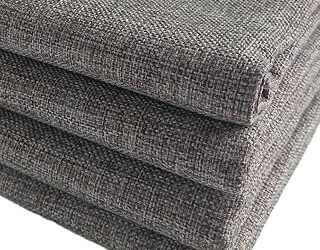
TinaKim Thick Chair Upholstery Fabric, Faux Linen
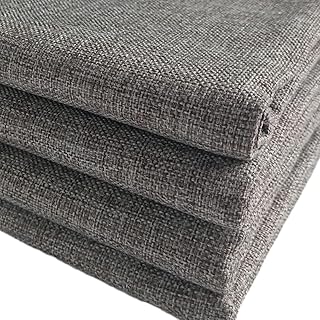
This is the sweet spot for anyone who wants the visual softness of linen without the fragility, and the two-yard cut covers three to four standard seats with room for mistakes. The faux weave resists snagging better than true linen, which matters when chair backs meet a slate or brick floor.
Wento Thick Faux Leather, Soft Skin Grain PU
The skin-grain texture reads convincingly like leather at dining height, and it wipes down in seconds, which is why I default to PU for any table that sees regular entertaining. It is forgiving on rounded corners too, stretching just enough to pull taut without permanent wrinkle memory.
Heavy Linen Fabric 80×57, 1.2mm Thickness
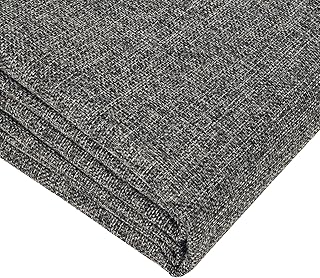
At 1.2mm this is genuinely heavy cloth, dense enough to sit over foam without any shadowing, with the matte depth that only real linen delivers. Best reserved for formal indoor dining rooms, and I would treat it with a fabric protector on day one.
Faux Linen Needlework Fabric, 3.3 Yards
The 3.3-yard length is the value play here, comfortably covering a six-chair set with leftovers for matching bench cushions or napkins. The grey-blue reads as a soft neutral in natural light, which makes it an easy match for weathered teak or a whitewashed farmhouse table.
Soft Waterproof Marine Vinyl Faux Leather
This is my pick for chairs that migrate between the kitchen and the covered patio, since the waterproof backing keeps moisture out of the foam entirely. Warm it briefly with a hair dryer before stapling and it will conform to tricky corners without fighting you.
Frequently Asked Questions
How much fabric do I need for four dining chairs?
For simple drop-in seats, two yards of 57-inch material typically handles four chairs. Chairs with upholstered backs or deep skirts can double that, so measure and add a generous margin before ordering.
Is vinyl too casual for a dining room?
Not anymore. Current skin-grain PU and marine vinyls have convincing texture and matte finishes, and the practical upside on a dining seat is hard to argue with.
Can I reuse the existing foam?
If it springs back when pressed and shows no crumbling or odor, keep it. Otherwise add a fresh layer of high-density foam and a batting wrap, since new fabric over tired foam still feels tired.
Do I need special tools?
A staple gun, sharp shears, a staple remover, and pliers cover it. A manual gun works fine, though a pneumatic or electric model saves your hand on a full six-chair set.
Final Thoughts
For most homes, the TinaKim faux linen delivers the best balance of texture and durability, while the Wento PU leather is the smarter call for high-traffic tables that need a quick wipe-down. If your chairs ever cross the threshold to a porch or sunroom, spend the extra on the waterproof marine vinyl and stop worrying about weather altogether.