Key takeaways
- Weight and thickness: Aim for 9 oz or heavier per square yard. Anything lighter telegraphs the foam texture underneath, stretches at the staple line, and thins out fast at the front edge where legs rub.
- Weave density: Hold the fabric to a window. If light pours through the weave, dirt and moisture will pass just as easily. Tight, high-thread-count constructions like 600D polyester resist abrasion and stay put when you pull tension over a curved seat.
- Cleanability: Consider who sits there. Kids, pets, or a porch-adjacent table call for a water-resistant finish or a wipeable vinyl surface. Untreated linen-look cloth is beautiful but drinks red wine like a sponge.
- Yardage math: Measure the seat, add four to six inches on every side for wrapping and stapling, then add 15 percent for pattern alignment and mistakes. A standard drop-in seat eats roughly half a yard; four chairs need two yards minimum.
- Light exposure and colorfastness: Chairs near a sliding door or sunroom window will fade unevenly. Mid-tone solids in gray, navy, and ivory hide sun shift far better than saturated brights or crisp whites.
What's inside
Dining chairs take more abuse than almost any other seat in the house. Between elbow grease at Sunday dinners, spilled marinara, sunscreen-slick shoulders coming in from the pool, and the humidity that seeps into a screened porch every July, seat pads wear out long before the frames do. Most people discover this the hard way: they fall for a gorgeous bolt of fabric, staple it down over a weekend, and watch it pill, sag, or water-stain within a season. The frustration usually isn’t the sewing or the staple gun. It’s picking a material that was never built for the job.
I spend most of my working life specifying textiles for covered patios, sunrooms, and three-season dining spaces, where indoor furniture gets pushed to outdoor limits. This guide applies that same standard to interior dining chairs: what to look for in weight, weave tightness, and cleanability, plus honest notes on six popular by-the-yard upholstery fabrics that hold up to real meals and real families in 2026.
As an Amazon Associate we earn from qualifying purchases.


How to Choose a Fabric For Reupholstering Dining Chairs (2026)
- Weight and thickness: Aim for 9 oz or heavier per square yard. Anything lighter telegraphs the foam texture underneath, stretches at the staple line, and thins out fast at the front edge where legs rub.
- Weave density: Hold the fabric to a window. If light pours through the weave, dirt and moisture will pass just as easily. Tight, high-thread-count constructions like 600D polyester resist abrasion and stay put when you pull tension over a curved seat.
- Cleanability: Consider who sits there. Kids, pets, or a porch-adjacent table call for a water-resistant finish or a wipeable vinyl surface. Untreated linen-look cloth is beautiful but drinks red wine like a sponge.
- Yardage math: Measure the seat, add four to six inches on every side for wrapping and stapling, then add 15 percent for pattern alignment and mistakes. A standard drop-in seat eats roughly half a yard; four chairs need two yards minimum.
- Light exposure and colorfastness: Chairs near a sliding door or sunroom window will fade unevenly. Mid-tone solids in gray, navy, and ivory hide sun shift far better than saturated brights or crisp whites.
The Best Fabric For Reupholstering Dining Chairs (2026)s Reviewed
K-Musculo 600D Upholstery Polyester, 58″ Wide
This is the fabric I reach for when a dining set lives anywhere near the outdoors, whether that’s a screened porch, a sunroom, or a breakfast nook that catches afternoon rain through an open window. The 600D weave and water-resistant finish shrug off condensation rings and mildew, and at 58 inches wide it covers a full seat pad without seaming.
Wento Thick Faux Leather, 2 Yards
Soft-grain PU leather is the pragmatist’s answer to sticky fingers: one damp cloth and the seat is clean. Wento’s version is pliable enough to pull around rounded corners without cracking at the fold, and the beige reads warmer and less office-chair than most budget vinyls.
TinaKim Thick Upholstery Fabric, 2 Yards
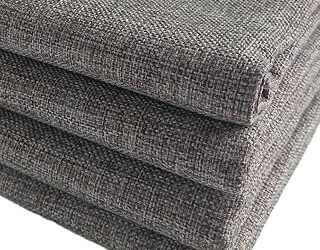
A genuinely substantial faux linen with enough body to hold a crisp staple line, which is exactly what you want on a first reupholstery project. The grey-blue has a subtle slub texture that flatters wood tones from oak to walnut, though I’d treat it with a fabric protector before the first dinner party.
LaSilk Premium Upholstery Fabric, 57″ Wide
LaSilk’s thickened faux linen splits the difference between refined and durable, with a tighter hand than most linen-look blends at this price. The navy is deep without going flat under artificial light, making it a strong choice for a formal dining room that still sees weeknight use.
Yutong 9 oz 100% Polyester Upholstery Fabric
At a true 9 oz, this solid ivory polyester delivers the abrasion resistance the weight suggests while staying easy to sew and staple. Ivory is a bold call on dining chairs, so pair it with a spray-on repellent or reserve it for a low-traffic pair of host chairs.
Frequently Asked Questions
How much fabric do I need for four dining chairs?
Two yards of 57-inch-wide material covers four standard drop-in seats with margin to spare. Chairs with attached seats, skirts, or upholstered backs typically need three to four yards.
Is faux linen durable enough for daily use?
The thicker versions are, provided you add a stain repellent. Faux linen resists pilling better than real linen and won’t wrinkle at the seat crease, but bare fabric will absorb liquids without a topical finish.
Can I use these fabrics on a covered patio?
Only the water-resistant 600D polyester and the faux leather are genuinely suited to outdoor humidity. Linen-look cloth in a damp environment invites mildew, even under a roof.
Do I need to remove the old fabric first?
Yes, if the existing layer is compressed, stained, or lumpy. Stapling over intact, clean fabric is acceptable and adds padding, but two layers make the seat harder to seat back into the frame.
Final Thoughts
For most households, the K-Musculo 600D polyester is the smartest all-around buy, delivering outdoor-grade water resistance in a color that works indoors. Choose the Wento faux leather if young kids or messy meals are the reality, and the TinaKim thick faux linen when you want visible texture and a softer, more traditional dining room look.