Key takeaways
- Rub count and weave density: Look for a tight, heavy weave rated for upholstery rather than apparel or quilting. Thin cotton feels lovely in hand but pills and thins at the seat’s front edge within a season. If you can see light through it when stretched, it belongs on a pillow, not a chair.
- Water and stain behavior: Coated or waterproof-backed fabrics are the right call for breakfast nooks, homes with kids, and any seating that shares air with a grill. For covered outdoor dining, treated indoor-outdoor fabric resists mildew and shrugs off a surprise rain shower blowing sideways under the pergola.
- Stretch versus stability: Non-stretch woven fabric is far easier to pull taut over a plywood seat base without ripples. Knits and stretchy blends distort under staple tension and telegraph every lump in the foam beneath.
- Yardage math: Budget roughly half a yard per standard drop-in seat, then add 15 percent for pattern matching and mistakes. A 57-inch-wide bolt typically yields two seats across, so a 2-yard cut covers a four-chair set with room to spare.
- Pattern scale and repeat: Small-scale prints and textured solids hide crumbs, seams, and misaligned edges. Large motifs demand centering on every seat, which burns yardage fast and punishes first-timers.
What's inside
Dining chairs live a harder life than most furniture. They absorb spilled cabernet, sunscreen residue from patio lunches, the friction of being dragged across the floor twice a day, and in indoor-outdoor spaces, a steady dose of UV and humidity. Most seats fail long before the frame does, which leaves homeowners staring at a solid oak chair with a shredded, sun-bleached cushion and a quote from an upholsterer that costs more than the chair. Reupholstering a dining seat is one of the few genuinely beginner-friendly furniture projects, but the fabric choice determines whether you do it once or every eighteen months.
This guide comes from years of specifying textiles for covered porches, three-season rooms, and open-plan kitchens that spill onto a deck. Below you’ll find the fabrics that hold up to real use, plus a breakdown of the specs that matter — weave density, rub count, water resistance, and yardage math — so you can order the right amount the first time. We’ve also included a ready-upholstered chair for anyone who’d rather skip the staple gun entirely.
As an Amazon Associate we earn from qualifying purchases.



How to Choose a Fabric To Reupholster Dining Chairs (2026)
- Rub count and weave density: Look for a tight, heavy weave rated for upholstery rather than apparel or quilting. Thin cotton feels lovely in hand but pills and thins at the seat’s front edge within a season. If you can see light through it when stretched, it belongs on a pillow, not a chair.
- Water and stain behavior: Coated or waterproof-backed fabrics are the right call for breakfast nooks, homes with kids, and any seating that shares air with a grill. For covered outdoor dining, treated indoor-outdoor fabric resists mildew and shrugs off a surprise rain shower blowing sideways under the pergola.
- Stretch versus stability: Non-stretch woven fabric is far easier to pull taut over a plywood seat base without ripples. Knits and stretchy blends distort under staple tension and telegraph every lump in the foam beneath.
- Yardage math: Budget roughly half a yard per standard drop-in seat, then add 15 percent for pattern matching and mistakes. A 57-inch-wide bolt typically yields two seats across, so a 2-yard cut covers a four-chair set with room to spare.
- Pattern scale and repeat: Small-scale prints and textured solids hide crumbs, seams, and misaligned edges. Large motifs demand centering on every seat, which burns yardage fast and punishes first-timers.
The Best Fabric To Reupholster Dining Chairs (2026)s Reviewed
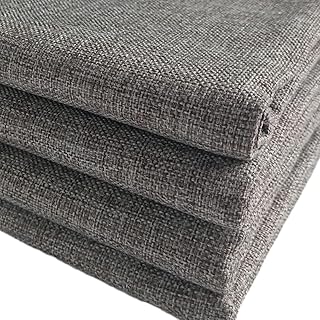
TinaKim Thick Chair Upholstery Fabric (Faux Linen)
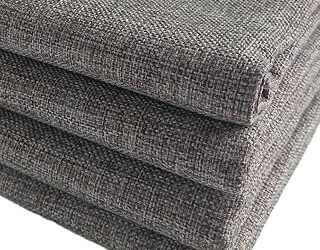
This is the default recommendation for a first reupholstery job: a genuinely thick faux linen with enough body to pull tight without puckering, in a warm flaxen tone that reads neutral against both painted and natural wood frames. The 57-by-72-inch cut handles four standard seats, and the linen-look texture disguises the small imperfections every beginner leaves behind.
Faux Linen Needlework Fabric, 3.3 Yards (Grey Blue)
The most generous cut here at 3.3 yards, which makes it the value pick for a six-chair set or a chair-plus-bench pairing. The muted grey-blue is a workhorse shade for coastal and transitional rooms, and the slightly open needlework surface takes a fabric protector spray well if you plan to treat it before installing.
Erosebridal Florals Flannel Fabric
A botanical print on a soft, non-stretch flannel base — best suited to a single accent chair, a vanity seat, or a covered sunroom where it won’t take daily punishment. Buy the 1-yard cut as a sample first, since the black-red-yellow palette is bolder in person than online photos suggest.
Erosebridal Cowboy Western Fabric
My pick for actual outdoor dining. It’s waterproof, rated indoor-outdoor, and sold in a 10-yard length that covers a full patio set with matching cushion covers, all in a desert-denim brown that hides dust and pollen better than any light neutral will.
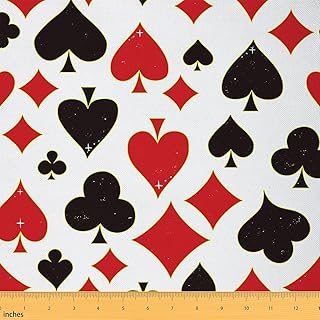
Poker Plaid Upholstery Fabric
Purpose-built for game rooms, basement bars, and covered porch card tables, this waterproof red-and-black lattice wipes clean after drink rings and shrugs off humidity. The 5-yard cut is enough for six seats, and the small-scale plaid is forgiving to align.
Frequently Asked Questions
How much fabric do I need per dining chair?
Plan on half a yard per drop-in seat pad and closer to three-quarters of a yard for a chair with an upholstered back or a rounded, deep cushion. Measure across the seat, down both sides, and add four inches per side for staple allowance.
Can I use indoor-outdoor fabric on interior chairs?
Absolutely, and I often recommend it. Modern outdoor textiles have lost the stiff, plastic feel of older generations, and the built-in stain and moisture resistance is a real advantage in any room where people eat.
Do I need to replace the foam too?
If the existing foam springs back when you press it, keep it. If it stays compressed or crumbles at the edges, replace it — new fabric over dead foam still feels like a dead chair.
What if I don’t want to DIY at all?
The HomePop Parsons Dining Chair in dark blue arrives fully upholstered and is often cheaper than reupholstering a chair that’s already structurally tired. It’s a sensible exit ramp if your frames are wobbly.
Final Thoughts
For most indoor dining sets, the TinaKim Thick Faux Linen offers the best balance of durability, forgiving texture, and neutral color, with the 3.3-yard Faux Linen Needlework in grey blue as the better buy for larger sets. If your chairs see sun, weather, or a grill within twenty feet, go straight to the Erosebridal Cowboy waterproof indoor-outdoor fabric — it’s the one I’d put on my own porch.