Key takeaways
- Adhesion over convenience: “No sanding required” works on clean, dull, well-bonded surfaces. If your dresser has a glossy factory lacquer, a laminate skin, or decades of furniture polish buildup, scuff it with 220-grit and degrease with a mild TSP substitute anyway. Ten minutes of prep buys you years of adhesion.
- Coverage math, not can size: A standard six-drawer dresser needs roughly 60 to 80 square feet of coverage for two coats. A 5 oz sample handles one drawer front or a nightstand; a 16 to 17.6 oz container is the realistic minimum for a full dresser, and you’ll want a second if you’re going dark-to-light.
- Sheen and wear zones: Matte hides brush marks and old grain telegraphing better than anything else, but it burnishes where hands touch. Plan on a clear topcoat over drawer fronts, edges, and the dresser top if the piece sees daily use or sits near a window with sun exposure.
- Odor and cure time in real rooms: Water-based, low-VOC formulas let you paint in a bedroom without evacuating. Note the difference between dry-to-touch (often one hour) and full cure (typically 7 to 30 days). Load drawers early and you’ll pull paint off the sides.
- Brush versus spray: Spray gives you a factory-flat finish on turned legs, spindles, and detailed molding with no lap marks. It also demands masking, airflow, and patience with light passes. Flat slab dressers are honestly easier with a foam roller and a good angled brush.
What's inside
Refinishing a dresser looks simple until you’re standing over a half-sanded drawer front at 9pm, wondering why the first coat is showing brush ridges and the second coat is peeling at the edges. Wood dressers are a particular challenge: they carry old varnish or factory topcoats that repel water-based paint, they have flat expanses where every roller mark shows, and they get handled daily by people who don’t treat furniture gently. Add in the reality that most of us are painting indoors with limited ventilation, and the wrong product turns a weekend project into a week of airing out the house.
I spend most of my time specifying finishes for porches, sunrooms, potting benches, and covered patios, which means I judge paint by how it holds up to humidity swings, temperature shifts, and abrasion rather than how pretty it looks on day one. That perspective is useful indoors too. This guide covers six furniture paints built for wood dressers, what separates a genuinely durable no-sand formula from a marketing claim, how to pick a sheen and color that won’t fight your room, and which kits make sense if you don’t already own decent brushes.
As an Amazon Associate we earn from qualifying purchases.



How to Choose a/an Paint For A Wood Dresser (2026)
- Adhesion over convenience: “No sanding required” works on clean, dull, well-bonded surfaces. If your dresser has a glossy factory lacquer, a laminate skin, or decades of furniture polish buildup, scuff it with 220-grit and degrease with a mild TSP substitute anyway. Ten minutes of prep buys you years of adhesion.
- Coverage math, not can size: A standard six-drawer dresser needs roughly 60 to 80 square feet of coverage for two coats. A 5 oz sample handles one drawer front or a nightstand; a 16 to 17.6 oz container is the realistic minimum for a full dresser, and you’ll want a second if you’re going dark-to-light.
- Sheen and wear zones: Matte hides brush marks and old grain telegraphing better than anything else, but it burnishes where hands touch. Plan on a clear topcoat over drawer fronts, edges, and the dresser top if the piece sees daily use or sits near a window with sun exposure.
- Odor and cure time in real rooms: Water-based, low-VOC formulas let you paint in a bedroom without evacuating. Note the difference between dry-to-touch (often one hour) and full cure (typically 7 to 30 days). Load drawers early and you’ll pull paint off the sides.
- Brush versus spray: Spray gives you a factory-flat finish on turned legs, spindles, and detailed molding with no lap marks. It also demands masking, airflow, and patience with light passes. Flat slab dressers are honestly easier with a foam roller and a good angled brush.
The Best Paint For A Wood Dresser (2026)s Reviewed
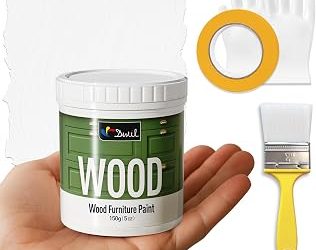
DWIL Matte Finish Furniture Paint (5 oz, White)
This is the sample-size option, and it earns its place as a test pot rather than a project can: brush it on a hidden drawer side to confirm adhesion and color before you commit. The matte lays down smooth and levels well, though at 5 oz you’re covering a single small surface, not a dresser.
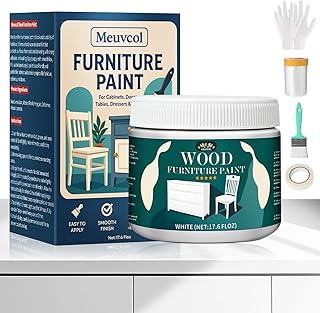
Furniture Paint for Wood & Cabinets (17.6 oz White Matte)
The most sensible single-can buy for a full-size dresser, with enough volume for two coats plus touch-ups on a six-drawer piece. Coverage is genuinely opaque over medium-tone wood, and the low odor makes it viable for indoor work in a bedroom or hallway.
Furniture Paint 16 oz One-Step, Aleutian
Aleutian is a muted blue-gray that reads as a soft neutral in most light, which makes it a low-risk color choice for anyone tired of white. The one-step formula is rated indoor and outdoor, so it’s the pick if your dresser is destined for a sunroom, mudroom, or covered porch.
Rust-Oleum Chalked All-in-One Spray, Linen White
Aerosol is the right tool for ornate legs, cane panels, and beadboard-style drawer fronts where a brush leaves ridges, and this chalked formula builds a truly flat film in one coat. Use it outdoors or in a garage with cross-ventilation, and expect to want a wax or matte clear coat over high-touch areas.
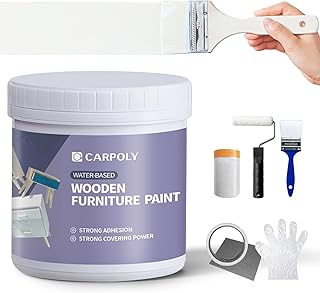
Furniture Paint Kit 16 oz with Tools, White
Best entry point if your brush drawer is a graveyard of stiff bristles, since the included tools are matched to the paint’s viscosity and save you a separate order. Same no-sand, all-in-one chemistry as the standalone 16 oz cans, with the volume to finish a dresser properly.
Frequently Asked Questions
Do I really need to sand a wood dresser first?
Not always, but you always need to clean and dull. A quick scuff with 220-grit plus a degreaser is the difference between paint that survives ten years of drawer-slamming and paint that chips at the corners in six months.
Should I add a topcoat over matte furniture paint?
Yes, on any horizontal surface, drawer front, or edge that gets handled. A water-based matte polycrylic keeps the flat look while adding real abrasion and moisture resistance, which matters most in humid rooms and near windows.
How much paint does a six-drawer dresser take?
Budget one 16 to 17.6 oz container for two coats on a standard piece, and two if you’re covering dark wood with white or painting the drawer interiors. Sample sizes are for testing, not for the project.
Can I use these paints on a dresser for a covered patio?
The indoor/outdoor rated one-step formulas will hold up under a roof with a proper clear topcoat, but no furniture paint survives direct rain and UV on unprotected wood. Keep the piece out of standing water and refresh the topcoat every couple of seasons.
Final Thoughts
For most dressers, the 17.6 oz white matte furniture paint is the straightforward choice: enough volume to finish the job, low odor for indoor work, and a forgiving finish. Pick the 16 oz kit with tools if you need brushes anyway, reach for Rust-Oleum Chalked in Linen White when the piece has carved legs or detailed molding that a brush can’t do justice, and consider the Aleutian one-step if the dresser is headed somewhere with real humidity swings.