Key takeaways
- Water-based vs. oil-based: Water-based formulas dry clear and stay clear, which protects the color of maple, ash, and light-stained tops. Oil-based cures amber and adds warmth to walnut and oak, and it typically builds a slightly tougher film against heat and spills.
- Sheen and glare: Gloss reads formal and shows every fingerprint and swirl mark. Satin and semi-gloss hide daily wear far better, which matters on a porch table sitting in raking afternoon light.
- Film build and coat count: Standard polyurethane needs three to four thin coats to reach dining-table durability. Self-leveling thick-build products reach a comparable film in fewer passes, useful when you cannot lose a room for a week.
- Cure time versus dry time: Dry to touch is not ready for dinner. Plan on 24 to 72 hours before light use and up to a week before you set down anything hot, damp, or heavy, especially in humid conditions.
- Application method: Brushing and rolling build fastest, but wipe-on formulas are the most forgiving on turned legs, detailed aprons, and anyone new to finishing. Consider dust control too, since outdoor spaces are rarely clean-air spaces.
What's inside
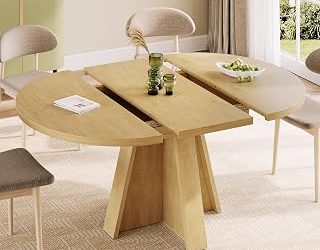
A dining table takes more abuse than almost any other piece of furniture in a home, and the ones that live on a screened porch or in a sunroom have it worst of all. Morning condensation, a sweating pitcher of iced tea, a hot casserole dish set down without a trivet, and the daily grind of chairs and elbows all attack the same square footage. Most finish failures on dining surfaces are not mysterious. They come from choosing a coating built for a bookshelf, then asking it to behave like a bar top.
This guide looks at polyurethane through the lens of covered outdoor living and indoor-outdoor rooms, where humidity swings and temperature shifts test a film harder than a climate-controlled dining room ever will. Below you will find the water-based and oil-based options I keep on the shelf, what separates them in real use, and how to match sheen, cure time, and film thickness to the table you actually own. One important boundary first: interior polyurethane belongs under a roof. For fully exposed patio tables, you want a spar urethane with UV inhibitors instead.
As an Amazon Associate we earn from qualifying purchases.


How to Choose a Polyurethane For Dining Table (2026)
- Water-based vs. oil-based: Water-based formulas dry clear and stay clear, which protects the color of maple, ash, and light-stained tops. Oil-based cures amber and adds warmth to walnut and oak, and it typically builds a slightly tougher film against heat and spills.
- Sheen and glare: Gloss reads formal and shows every fingerprint and swirl mark. Satin and semi-gloss hide daily wear far better, which matters on a porch table sitting in raking afternoon light.
- Film build and coat count: Standard polyurethane needs three to four thin coats to reach dining-table durability. Self-leveling thick-build products reach a comparable film in fewer passes, useful when you cannot lose a room for a week.
- Cure time versus dry time: Dry to touch is not ready for dinner. Plan on 24 to 72 hours before light use and up to a week before you set down anything hot, damp, or heavy, especially in humid conditions.
- Application method: Brushing and rolling build fastest, but wipe-on formulas are the most forgiving on turned legs, detailed aprons, and anyone new to finishing. Consider dust control too, since outdoor spaces are rarely clean-air spaces.
The Best Polyurethane For Dining Table (2026) Picks Reviewed
Varathane Water-Based Ultimate Gloss Polyurethane
This is my pick for light woods and painted tops where ambering would ruin the look, and the fast recoat window means you can lay down multiple coats in a single day. The half-pint size suits a single tabletop or a repair, and low odor makes it workable in a sunroom without evacuating the house.
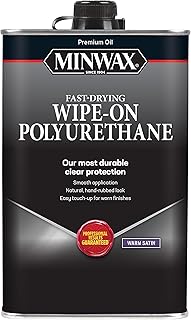
Minwax Fast Drying Polyurethane, Warm Satin
An oil-based classic that earns its reputation, adding a mellow golden depth to oak, hickory, and walnut while the satin sheen quietly forgives scratches and water rings. The quart covers a typical six-seat table with coats to spare, and the film handles heat and moisture better than most water-based alternatives.
Varathane Triple Thick Polyurethane Gloss
Built for people short on time, this self-leveling formula lays down roughly the film of three ordinary coats in one pass, leaving a deep glass-like surface. Keep the table dead level and work in a low-dust spot, since a heavy wet film will catch anything floating in the air.
Minwax Fast Drying Polyurethane, Clear Semi-Gloss
The sensible middle ground when you want oil-based toughness without heavy amber shift or a mirror shine. Semi-gloss reflects just enough to look finished while staying practical for a table that sees breakfast, homework, and card games.
Minwax Polycrylic Protective Finish, Satin
Polycrylic stays crystal clear, cleans up with water, and is the safest choice over white paint or pale stains that oil-based products would yellow. Build patiently with thin coats and a synthetic brush, and give it a full week to harden before regular dining duty.
Frequently Asked Questions
How many coats does a dining table need?
Three to four thin coats for standard polyurethane, with a light 320-grit scuff between them. Thick-build products can reach the same protection in one or two passes.
Can I use interior polyurethane on a covered patio table?
Under a solid roof or on a screened porch, yes. In direct sun or rain, switch to an exterior spar urethane, since interior films will chalk, crack, and delaminate without UV protection.
Will polyurethane resist hot dishes?
It resists warmth, not heat. A fully cured film shrugs off a warm plate, but a hot pan will still leave a cloudy or blistered mark, so keep trivets in play.
Brush, wipe, or spray?
Brush or foam-roll flat tops for speed, wipe on for legs and detail work, and spray only with proper ventilation and respiratory protection.
Final Thoughts
For most dining tables in covered outdoor rooms, the Minwax Fast Drying Polyurethane in Warm Satin gives the best mix of toughness and character, while Varathane Triple Thick is the shortcut when you need a bar-top film by the weekend. If your table is pale, painted, or you simply want zero color shift, Minwax Polycrylic in satin is the finish that will still look right in five years.