Key takeaways
- Adhesion chemistry: Look for coatings that specifically list plastic, resin, or PVC on the label. Acrylic-latex house paint and wood-focused furniture paints have no bonding agents for slick polyethylene or polypropylene, and they will fail no matter how carefully you apply them.
- Restore vs. recoat: If the plastic is faded but structurally sound, a restorer that penetrates and re-saturates the color is faster, cheaper, and won’t chip. Save actual paint for pieces you want a different color, or for surfaces too oxidized to revive.
- Flexibility and UV rating: Outdoor plastic expands and contracts more than wood or metal. A rigid, brittle film cracks at the stress points, so prioritize exterior-rated coatings that stay slightly flexible after cure.
- Coverage math: A stackable chair eats roughly 8 to 12 square feet per coat once you count spindles and undersides. Small 5-ounce jars and touch-up pens are for repairs, not full sets, so buy by square footage rather than by price.
- Prep tolerance: “No sanding” claims usually assume a clean, dull, indoor surface. On outdoor plastic, plan on degreasing with TSP or a strong detergent, scuffing lightly with a scotch pad, and letting it dry fully regardless of what the can promises.
What's inside
Resin chairs and stackable loungers have one predictable arc: they start crisp white, then a few summers of UV and pollen turn them chalky, gray, and vaguely sticky to the touch. Most people reach for a can of whatever spray paint is on the shelf, skip the prep, and watch it peel off in sheets by August. Plastic is a low-energy surface, which is a technical way of saying paint has almost nothing to grab onto unless you help it.
The fix is less about finding one magic can and more about matching the product to the actual condition of your furniture. Some pieces only need their color pulled back out of the plastic. Others need a bonding topcoat built for exterior flex and temperature swings. Below I’ve broken down what separates a coating that lasts three seasons from one that fails in three weeks, plus honest notes on six products people commonly consider for this job, including which ones belong on plastic and which ones don’t.
As an Amazon Associate we earn from qualifying purchases at no extra cost to you. Product prices and availability are accurate as of the date shown and are subject to change.



🛒 Best Price Today on Amazon
Prime members get fast, free shipping on everything above, plus member-only deals. New members get a 30-day free trial — cancel anytime.
How to Choose a Paint For Plastic Patio Furniture (2026)
- Adhesion chemistry: Look for coatings that specifically list plastic, resin, or PVC on the label. Acrylic-latex house paint and wood-focused furniture paints have no bonding agents for slick polyethylene or polypropylene, and they will fail no matter how carefully you apply them.
- Restore vs. recoat: If the plastic is faded but structurally sound, a restorer that penetrates and re-saturates the color is faster, cheaper, and won’t chip. Save actual paint for pieces you want a different color, or for surfaces too oxidized to revive.
- Flexibility and UV rating: Outdoor plastic expands and contracts more than wood or metal. A rigid, brittle film cracks at the stress points, so prioritize exterior-rated coatings that stay slightly flexible after cure.
- Coverage math: A stackable chair eats roughly 8 to 12 square feet per coat once you count spindles and undersides. Small 5-ounce jars and touch-up pens are for repairs, not full sets, so buy by square footage rather than by price.
- Prep tolerance: “No sanding” claims usually assume a clean, dull, indoor surface. On outdoor plastic, plan on degreasing with TSP or a strong detergent, scuffing lightly with a scotch pad, and letting it dry fully regardless of what the can promises.
The Best Paint For Plastic Patio Furniture (2026)s Reviewed
Rejuvenate Outdoor Restorer
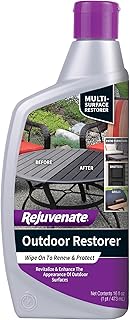
This is the honest first stop for chalky white resin, because it’s not paint at all: it soaks into oxidized plastic and pulls the original color back, so there’s no film to chip or peel later. At up to 800 square feet per 16-ounce bottle it covers a full set easily, though it won’t help you change colors and needs reapplying every season or two.
Wolman 360351 Outdoor Furniture Paint, Granite
The only product here engineered specifically for outdoor furniture recoating, and it’s the one I’d hand someone determined to actually paint their resin chairs. The granite tone hides surface texture and minor scuffs well, and the quart size is right for a two-to-four chair project.
Rust-Oleum Appliance Epoxy, Gloss White
Appliance epoxy cures harder and glossier than standard enamel, which makes it genuinely useful on rigid plastic arms, molded tabletops, and trim pieces that take abuse. Because it’s formulated for indoor appliances rather than sun exposure, expect some chalking over time unless you keep the piece shaded or under cover.
White Multi-Surface Touch Up Paint Pen
Keep one of these in the deck box. It’s ideal for the inevitable chair-leg scuff or table-edge scratch, and the high-gloss white blends acceptably with most factory resin finishes without you dragging out a full can.
CIONIA All-in-One Multi Surface Paint
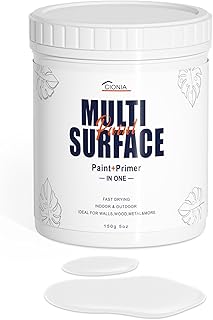
A capable no-sand acrylic for cabinets, decor, and small accent pieces, and the 5-ounce jar makes sense for touch-ups or a single planter. For patio plastic I’d treat it as a light-duty option only, and I’d still scuff and prime rather than trust the no-prep claim outdoors.
Frequently Asked Questions
Do I really need a primer on plastic patio furniture?
Unless your topcoat explicitly bonds to plastic, yes. A dedicated plastic-bonding primer is the single highest-value step in the whole process and costs less than repainting the set twice.
Why does my paint feel tacky weeks later?
Almost always humidity, too-thick coats, or residual mold-release oil on the plastic. Thin coats with real dry time between them cure far better than one heavy pass.
Can I use wood furniture paint like DWIL on resin chairs?
I wouldn’t. DWIL’s water-based formula is built for the porous grain of wood, doors, and cabinetry, where it performs nicely, but it has nothing to bite into on smooth plastic.
How long will a painted resin chair actually hold up?
With proper degreasing, scuffing, a bonding primer, and two thin exterior coats, three to five seasons is realistic. Storing furniture over winter roughly doubles that.
Final Thoughts
For faded-but-solid white resin, start with Rejuvenate Outdoor Restorer and you may not need paint at all. If you’re committed to a color change, Wolman Outdoor Furniture Paint in Granite is the most purpose-built choice here, with Rust-Oleum Appliance Epoxy as a tough gloss option for sheltered pieces and hard-wear surfaces.