Key takeaways
- Wood species first: Open-grain woods like oak and ash drink stain evenly and forgive technique. Maple, birch, cherry, and pine blotch easily, so plan on a pre-stain conditioner or reach for a gel formula that sits closer to the surface.
- Water-based vs. oil-based: Water-based stains dry in an hour, barely smell, and clean up under the tap — ideal for a dining room you need back in service tonight. Oil-based stains give you a longer open time to wipe back evenly and a warmer, deeper tone on large tabletops.
- Topcoat compatibility: Stain is color, not protection. Confirm your clear coat plays nicely with your stain chemistry, and let oil-based stain cure fully before a water-based poly goes over it.
- Coverage math: A standard six-seat tabletop plus apron and legs runs roughly 40–60 square feet per coat. A quart covering 275 sq ft handles the table and matching chairs; a 100ml sample bottle is for testing, touch-ups, and small pieces.
- Test on the underside: Every time. Stain color shifts dramatically between species, sanding grits, and topcoats. The hidden underside of your own table is the only reliable color sample.
What's inside
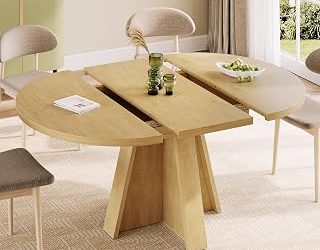
A dining room table lives a harder life than most furniture in the house. I spend most of my season finishing cedar dining sets, teak benches, and pergola-shaded serving counters, and the failure patterns outdoors are the same ones that ruin an indoor tabletop — just accelerated. Heat rings from a casserole dish, a spilled glass of red left overnight, a damp bowl parked in the same spot every Sunday: every one of those is moisture and pigment trying to get under your finish. The stain you choose determines the color you live with for the next decade, and how gracefully that color handles abuse.
This guide covers the stains and clear topcoats that hold up on a working dining surface in 2026. I’ve grouped them by the job they actually do: penetrating stains for color, gel stain for tricky or previously finished wood, and the film-forming polyurethanes that carry the wear load. You’ll also find the selection criteria I use before opening a can, plus answers to the questions that come up most often once a table is stripped and sitting bare in someone’s garage.
As an Amazon Associate we earn from qualifying purchases.


How to Choose a Stain For Dining Room Table (2026)
- Wood species first: Open-grain woods like oak and ash drink stain evenly and forgive technique. Maple, birch, cherry, and pine blotch easily, so plan on a pre-stain conditioner or reach for a gel formula that sits closer to the surface.
- Water-based vs. oil-based: Water-based stains dry in an hour, barely smell, and clean up under the tap — ideal for a dining room you need back in service tonight. Oil-based stains give you a longer open time to wipe back evenly and a warmer, deeper tone on large tabletops.
- Topcoat compatibility: Stain is color, not protection. Confirm your clear coat plays nicely with your stain chemistry, and let oil-based stain cure fully before a water-based poly goes over it.
- Coverage math: A standard six-seat tabletop plus apron and legs runs roughly 40–60 square feet per coat. A quart covering 275 sq ft handles the table and matching chairs; a 100ml sample bottle is for testing, touch-ups, and small pieces.
- Test on the underside: Every time. Stain color shifts dramatically between species, sanding grits, and topcoats. The hidden underside of your own table is the only reliable color sample.
The Best Stain For Dining Room Tables Reviewed
Varathane Premium Fast Dry Wood Stain, Aged Wheat
This is my default for bare hardwood tabletops: full color in one coat, a one-hour dry time, and enough open working time to wipe the whole surface before anything sets up. Aged Wheat is a soft, neutral tan that reads modern without going gray, and a quart covers a table and chairs comfortably.
Furniture Clinic Wood Stain, Dark Oak
A water-based stain that behaves like a much fussier product — low odor, fast dry, and a genuinely rich Dark Oak that doesn’t turn muddy on a second pass. The 250ml size suits a single tabletop or a refinish where you’re matching existing trim.
SENVEN Walnut Wood Stain
At 100ml this is a testing and detail bottle, and that’s exactly why I keep it around: use it to trial walnut tones on your table’s underside before committing to a quart. Water-based, low odor, and rated for indoor and outdoor use, so leftovers go straight to your patio pieces.
Varathane Triple Thick Polyurethane, Gloss
Three coats’ worth of build in one pass, self-leveling, and glass-clear when it flows out — the fastest route to a durable, wipeable dining surface. Apply it in a dust-free space and don’t overwork it; the formula levels better if you leave it alone.
Varathane Water-Based Ultimate Polyurethane, Semi-Gloss
My pick when a table needs several thin, non-yellowing coats over a light stain. Semi-gloss hides fingerprints and minor scratches better than gloss, and the fast recoat window means you can build real protection in a single afternoon.
Frequently Asked Questions
Do I really need a clear topcoat over stain?
Yes. Stain colors wood fibers but offers almost no barrier against water, wine, or heat. Two to three coats of polyurethane on the tabletop is the minimum for a surface people eat on.
How long before we can use the table?
Light use after 24 hours, but hold off on placemats, tablecloths, and heavy centerpieces for a full week. Polyurethane keeps hardening well past the point it feels dry, and anything left sitting on a green finish will print into it.
What if my table is already finished?
Sand back to bare wood for a penetrating stain, or use a thick gel stain like Varathane Total Control in Smoke Gray, which sits on the surface and works over existing finishes, legs, and vertical aprons without running.
Gloss or satin for a dining table?
Gloss shows off figured grain and cleans easily but highlights every scratch. Semi-gloss or satin is the practical choice for a table that hosts kids, homework, and weeknight dinners.
Final Thoughts
For most dining tables, pair the Varathane Premium Fast Dry stain in Aged Wheat with two or three coats of Varathane Water-Based Ultimate Semi-Gloss and you’ll have a surface that looks intentional and survives daily life. If you want deeper color with less fuss, Furniture Clinic’s Dark Oak is the water-based stain I trust most, and Triple Thick Polyurethane is the shortcut when you need serious protection built up in one working day.