Key takeaways
- Support core over comfort layer: Pocketed coils or high-density base foam do the structural work. A cushy top layer only feels good as long as something rigid is holding it up, so prioritize what sits at the bottom of the build.
- Height as a proxy for substance: Under sustained load, an 8-inch profile compresses closer to its base than a 14-inch one. Heavier sleepers generally do better in the 12 to 14 inch range, which leaves room for a genuine support core rather than a token one.
- Reinforced perimeter: Edge collapse is the first failure most people notice, usually when sitting to put on shoes. Look for firmer foam rails or higher-gauge border coils, the bedding equivalent of blocking the ends of your joists.
- Heat routing, not heat marketing: More body mass means more heat and deeper compression into the foam, which traps it. Coil-and-foam hybrids move air through the core; solid foam relies on gel and open-cell structure to do the same job less directly.
- Warranty language on sagging: Read the impression depth threshold. A ten-year warranty means little if it only covers indentations beyond 1.5 inches. This is the closest thing the category has to a published load rating.
What's inside
Spend enough years speccing pergolas, deck framing, and patio seating and you develop a reflex: check the load rating first, admire the finish second. A pretty chaise that buckles at 250 lb is a failure of engineering, not taste. Mattresses deserve the same scrutiny, yet almost nobody sells them that way. Retail copy talks about plushness and cooling gel while staying quiet about the part that actually matters for a heavier sleeper, which is whether the structure underneath can carry concentrated weight for a decade without dishing out in the middle.
This guide applies a builder’s logic to bedding. We look at coil gauge and count the way you’d look at joist spacing, treat foam density the way you’d treat the difference between softwood and ipe, and weigh edge reinforcement the same as a properly blocked deck perimeter. Below are six mattresses that hold their geometry under real load, plus the specs worth checking before you commit.
As an Amazon Associate we earn from qualifying purchases.


How to Choose a Mattress For Heavy Person (2026)
- Support core over comfort layer: Pocketed coils or high-density base foam do the structural work. A cushy top layer only feels good as long as something rigid is holding it up, so prioritize what sits at the bottom of the build.
- Height as a proxy for substance: Under sustained load, an 8-inch profile compresses closer to its base than a 14-inch one. Heavier sleepers generally do better in the 12 to 14 inch range, which leaves room for a genuine support core rather than a token one.
- Reinforced perimeter: Edge collapse is the first failure most people notice, usually when sitting to put on shoes. Look for firmer foam rails or higher-gauge border coils, the bedding equivalent of blocking the ends of your joists.
- Heat routing, not heat marketing: More body mass means more heat and deeper compression into the foam, which traps it. Coil-and-foam hybrids move air through the core; solid foam relies on gel and open-cell structure to do the same job less directly.
- Warranty language on sagging: Read the impression depth threshold. A ten-year warranty means little if it only covers indentations beyond 1.5 inches. This is the closest thing the category has to a published load rating.
The Best Mattress For Heavy Person (2026)s Reviewed
BedStory 14 Inch Hybrid
Zoned lumbar reinforcement plus a full pocket-spring core makes this the most structurally honest option on the list, concentrating firmer support exactly where hip and lower-back load lands. The 10-year warranty and 14-inch profile give it the margin heavier sleepers need to avoid a center trough by year three.
Extra Firm 14 Inch Hybrid
The thick foam edge is the standout detail here, addressing the perimeter breakdown that sinks most beds for couples who sleep toward the outer thirds. Firm, fiberglass-free, and clearly built with combined sleeper weight in mind, though anyone who prefers a softer surface should plan on a topper.
Sweetnight CoolNest 14 Inch
An all-foam build that earns its keep through five-zone ergonomic shaping and genuine breathability rather than a single dense slab. The medium feel is the compromise: comfortable for side sleepers carrying more weight in the shoulders and hips, but less rigid than the hybrids above.
Sealy Dreamlife 14″ Hybrid
Sealy’s responsive encased coil system brings decades of durability engineering to a bed-in-a-box price, and the gel memory foam comfort layer keeps the surface from feeling punishing. A sensible pick if you want a recognized name backing the support core.
Lucid 8″ Gel Memory Foam
The bamboo charcoal and cooling gel construction handles odor and heat well, and the medium-firm feel suits a guest room or bunkhouse mattress. At 8 inches it is best treated as a secondary bed rather than a nightly solution for a heavier sleeper.
Frequently Asked Questions
What mattress firmness works best above 250 lb?
Medium-firm to firm, because heavier bodies compress any surface further than the label suggests. A mattress rated firm often reads as medium-firm at higher weights.
Do hybrids really outlast all-foam beds?
Generally yes, under concentrated load. Steel coils recover their shape more reliably than foam, which is why hybrid construction dominates the heavy-duty end of the category.
Is an 8-inch mattress ever the right call?
For guest rooms, cabins, and screened sleeping porches, options like the Kin by Tuft & Needle Firm 8″ or the Lucid 8″ make sense. For nightly use above 230 lb, go thicker.
Does the foundation matter?
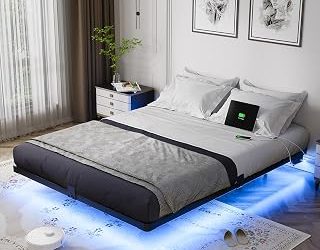
Considerably. Slats spaced wider than 3 inches let the mattress sag between supports, undoing the engineering you paid for. Add a center support leg on queen and king frames.
Final Thoughts
For nightly durability under real weight, the BedStory 14 Inch Hybrid and the Extra Firm 14 Inch Hybrid are the two builds I would trust longest, with the Sealy Dreamlife 14″ a strong third if brand-backed coil engineering matters to you. Match any of them to a properly supported frame and you get a bed that holds its shape the way good outdoor construction does.