Key takeaways
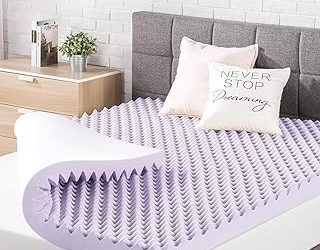
- Airflow before thickness: Three inches of dense foam traps warmth beautifully, which is a problem in a closed-up guest room and a gift in a chilly cabin. Look for mesh side gussets, wave or channel-cut foam, or open-cell gel infusion if the room runs warm or stuffy.
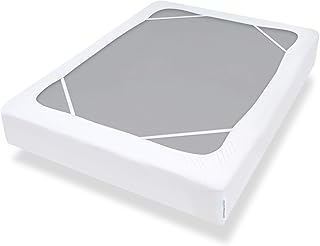
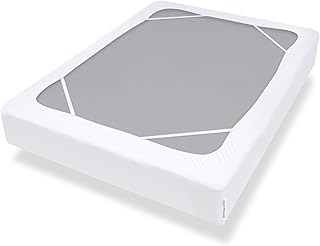
- Measure the pocket, not the mattress: Older cottage and bunkhouse mattresses run anywhere from 6 to 20 inches deep, and many have a topper or protector already on them. Choose a skirt that stretches well past your measurement rather than one that just barely reaches.
- Moisture handling matters outdoors: Rooms with screens, single-pane windows, or seasonal shutdowns cycle through humidity. Rayon or viscose derived from bamboo wicks better than polyester, and a fully removable, machine-washable cover is close to essential.
- Match feel to how the bed gets used: Plush pillow tops suit light-framed guests and side sleepers. Firmer memory foam with zoned or wave-textured support does more for back pain, heavier bodies, and anyone waking up sore after physical days outside.
- Check certifications and off-gassing: CertiPUR-US and Oeko-Tex labels tell you the foam met content and emissions testing, which is worth caring about in a small room you cannot easily ventilate. Plan on 48 hours of airing out regardless.
What's inside
Anyone who has furnished a sleeping porch, a lake cabin bunkroom, or a three-season room knows the mattress is usually the weak link. Cabin beds tend to be old, thin, or oddly deep. Guest-room mattresses get slept on twelve nights a year and never get replaced. And in a space that breathes with the weather, comfort is not just about softness. Humidity settles into foam, morning air pulls heat off a bed faster than a bedroom does, and a mattress that felt fine in June feels like plywood by October. Replacing the whole mattress rarely makes sense for a room used seasonally, which is why toppers have become the go-to fix for anyone who furnishes spaces that live closer to the outdoors.
This guide looks at mattress toppers through that lens: which ones handle airflow and moisture, which ones survive a washing machine after a pollen-heavy spring, which ones actually fit the deep, mismatched mattresses you find in older cottages, and which ones deliver real pressure relief after a day of hauling firewood or paddling. Below you will find a short buying framework followed by hands-on notes on five toppers worth considering in 2026, from gel-infused memory foam to bamboo-derived pillow tops built for hot sleepers.
As an Amazon Associate we earn from qualifying purchases.




How to Choose a Mattress Topper Comfort (2026)
- Airflow before thickness: Three inches of dense foam traps warmth beautifully, which is a problem in a closed-up guest room and a gift in a chilly cabin. Look for mesh side gussets, wave or channel-cut foam, or open-cell gel infusion if the room runs warm or stuffy.
- Measure the pocket, not the mattress: Older cottage and bunkhouse mattresses run anywhere from 6 to 20 inches deep, and many have a topper or protector already on them. Choose a skirt that stretches well past your measurement rather than one that just barely reaches.
- Moisture handling matters outdoors: Rooms with screens, single-pane windows, or seasonal shutdowns cycle through humidity. Rayon or viscose derived from bamboo wicks better than polyester, and a fully removable, machine-washable cover is close to essential.
- Match feel to how the bed gets used: Plush pillow tops suit light-framed guests and side sleepers. Firmer memory foam with zoned or wave-textured support does more for back pain, heavier bodies, and anyone waking up sore after physical days outside.
- Check certifications and off-gassing: CertiPUR-US and Oeko-Tex labels tell you the foam met content and emissions testing, which is worth caring about in a small room you cannot easily ventilate. Plan on 48 hours of airing out regardless.
The Best Mattress Topper Comfort (2026)s Reviewed
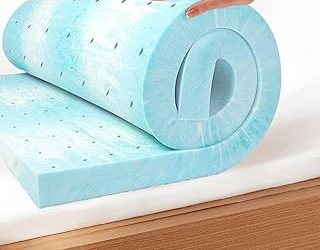
Linenspa 3-Inch Gel Infused Memory Foam Topper (Twin)
The reliable workhorse for bunk beds and daybeds, with gel-infused foam that holds a plush feel without the swampy heat cheaper foam develops. CertiPUR-US certified and forgiving on aging mattresses, though it has no cover of its own, so pair it with a washable protector.
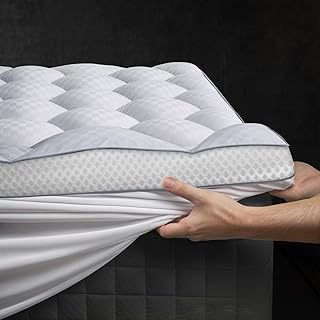
3-Inch Ultra-Fluffy Pillow Top Topper (Full)
This one splits the difference between cloud-soft and supportive, with a fluffy pillow-top surface over foam that still gives back-pain relief. The breathable air mesh gussets are the standout detail for humid rooms, and the 6 to 21 inch deep pocket handles nearly any mattress you inherit.
JSELF 3-Inch Dual-Layer Gel Memory Foam Topper (Queen)
The most engineered option here: two foam layers, wave-textured pressure relief zones, a Bekaert fabric cover, and a non-slip base that keeps it from creeping on slick older mattresses. CertiPUR-US and Oeko-Tex certified, and the best pick if back pain is the main complaint.
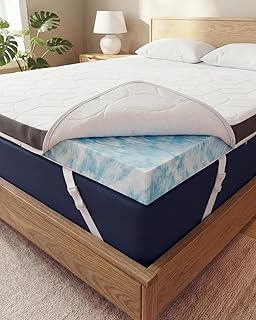
3-Inch Memory Foam Topper with Cooling Cover (Queen)
Thick, genuinely plush foam paired with a cooling zip-off cover and anchor straps, which solves the two problems most foam toppers create. The washable cover makes it practical for guest rooms that see dust, pollen, and wet-swimsuit traffic.
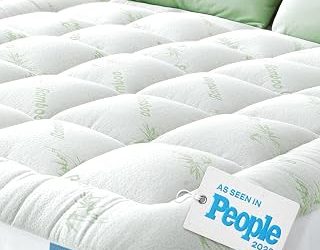
Niagara Sleep Solution Bamboo Pillow Top Topper (Full)
A quilted pillow-top rather than a foam slab, using rayon derived from bamboo that breathes noticeably better than synthetic shells. The 20-inch deep pocket and cool surface make it the easy answer for hot sleepers and rooms without air conditioning.
Frequently Asked Questions
Can a mattress topper be used in a screened porch or three-season room?
Yes, but choose breathable materials and store it indoors during the off-season. Foam absorbs ambient moisture, so a bamboo-derived pillow top handles a damp room better than dense memory foam left out year-round.
Does a thicker topper always mean more comfort?
No. Three inches is the practical ceiling for most beds. Beyond that you lose sheet fit and stability, and a well-designed two-inch topper often outperforms a cheap three-inch one.
How do I stop a topper from sliding?
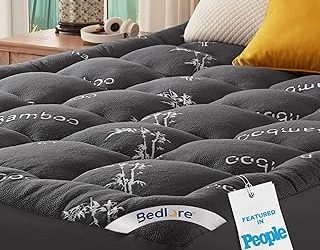
Look for anchor straps, a non-slip base, or a fitted skirt sized to your mattress depth. On very old mattresses with slick ticking, a fitted skirt style like the BEDLORE bamboo topper holds position best.
How long should a topper last?
Three to five years with regular use, longer in a seasonal guest room. Rotate it head to foot each season and wash the cover to keep the foam from compressing unevenly.
Final Thoughts
For most seasonal and guest spaces, the JSELF dual-layer gel topper is the strongest all-around choice thanks to its zoned support, non-slip base, and dual certifications. If heat and humidity are your real enemies, the Niagara Sleep Solution bamboo pillow top breathes better than any foam here, while the BEDLORE bamboo topper offers the same cooling advantage with stretchable pockets that fit almost any cabin mattress you come across.