Key takeaways
- Wood species: Teak, acacia, cedar, oak, and pressure-treated lumber absorb finishes differently, so choose a product intended for your furniture’s wood.
- Protection level: Penetrating oils refresh color and reduce drying, while sealers generally provide stronger moisture resistance and longer-lasting protection.
- Appearance: Decide whether you want a natural matte surface, a warm golden tone, or a more noticeable sealed finish before applying anything.
- Weather exposure: Furniture left in full sun or frequent rain benefits from UV protection and water resistance, although no finish replaces a cover or sheltered storage.
- Maintenance: Oils are often simple to refresh but may need regular reapplication; film-forming or polymer-enhanced products can last longer but require more preparation when they wear.
What's inside
Best Finish For Wood Patio Furniture (2026) — Outdoor furniture has to withstand sun, rain, temperature swings, and the occasional spilled drink, so choosing a finish is more involved than picking the glossiest can on the shelf. The wrong product may leave teak greasy, cedar overly dark, or a neglected surface vulnerable beneath a thin film.
This guide compares practical wood oils and penetrating sealers from an outdoor-living perspective. We focus on weather resistance, appearance, application, drying behavior, and the types of patio wood each finish suits best, so you can match the product to both your furniture and your maintenance routine.
As an Amazon Associate we earn from qualifying purchases at no extra cost to you. Product prices and availability are accurate as of the date shown and are subject to change.



🛒 Best Price Today on Amazon
Prime members get fast, free shipping on everything above, plus member-only deals. New members get a 30-day free trial — cancel anytime.
How to Choose a/an Finish For Wood Patio Furniture (2026)
- Wood species: Teak, acacia, cedar, oak, and pressure-treated lumber absorb finishes differently, so choose a product intended for your furniture’s wood.
- Protection level: Penetrating oils refresh color and reduce drying, while sealers generally provide stronger moisture resistance and longer-lasting protection.
- Appearance: Decide whether you want a natural matte surface, a warm golden tone, or a more noticeable sealed finish before applying anything.
- Weather exposure: Furniture left in full sun or frequent rain benefits from UV protection and water resistance, although no finish replaces a cover or sheltered storage.
- Maintenance: Oils are often simple to refresh but may need regular reapplication; film-forming or polymer-enhanced products can last longer but require more preparation when they wear.
The Best Finish For Wood Patio Furniture (2026)s Reviewed
LinSheen Boiled Linseed Oil
LinSheen Boiled Linseed Oil is a straightforward choice for reviving dry, tired-looking wood and emphasizing its natural grain. It works well for owners who prefer a traditional oil finish, but allow ample drying time and use it only on clean, properly prepared surfaces.
Seal-Once Nano+Poly Penetrating Wood Sealer
Seal-Once Nano+Poly combines penetrating protection with polyurethane for a more defensive approach to outdoor moisture. Its larger size makes it practical for several pieces or a broader patio project, while the cedar option can complement warm-toned outdoor woods.
STAR BRITE Premium Golden Teak Oil
STAR BRITE Premium Golden Teak Oil is especially appealing for teak and other fine woods when you want a warm golden appearance rather than a completely bare look. Tung-oil polymers and UV absorbers add useful weathering protection, making it a strong choice for sunny decks and exposed seating.
RMP Finishes Outdoor Defense Oil
RMP Finishes Outdoor Defense Oil is a versatile option for furniture and other exterior wood projects, including cedar beds, fences, and decks. It suits shoppers seeking an oil-based protector that can refresh the surface while helping limit drying from everyday outdoor exposure.
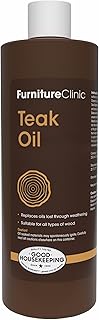
Furniture Clinic Teak Oil
Furniture Clinic Teak Oil stands out for its natural matte finish and broad usefulness across outdoor furniture, boats, shower benches, and indoor wood. It is a sensible pick when you want to restore weathered teak or similar hardwood without creating a glossy, plastic-like surface.
Frequently Asked Questions
Should I oil or seal my wood patio furniture?
Oil is usually best for enhancing grain and restoring a dry appearance, while a penetrating sealer is better when moisture resistance is the priority. Your wood species, climate, and willingness to reapply the finish should guide the decision.
Is teak oil suitable for every type of patio wood?
Many teak oils also work on acacia, oak, and other exterior woods, but always check the product label and test an inconspicuous area first. Different woods can absorb oil unevenly and may change color more than expected.
How should I prepare patio furniture before finishing?
Wash away dirt, mildew, and old residue, then let the furniture dry thoroughly. Light sanding can smooth rough fibers and improve consistency, but avoid sanding so aggressively that you remove the character of weathered wood unnecessarily.
How often should outdoor furniture be refinished?
There is no universal schedule. Inspect the furniture at the start and end of the outdoor season, and refresh it when the wood looks dry, faded, or less resistant to water; intense sun and frequent rain shorten the interval.
Final Thoughts
For a traditional grain-enhancing treatment, LinSheen Boiled Linseed Oil is a practical starting point. STAR BRITE Premium Golden Teak Oil is the better fit for warm-toned teak in sunny locations, while Seal-Once Nano+Poly is a compelling choice when water resistance and coverage matter most.