Key takeaways
- Resaw height: Look for at least 5 inches of clearance under the guides. That is the difference between slicing a 2×6 cedar board into two matching bench slats and being stuck at trim-thickness work.
- Motor and speed: A 1/2 HP class motor handles softwood curves all day; step up to 1 HP if you cut white oak, ipe, or thick sappy stock. Dual-speed machines let you slow the blade for dense hardwood and non-ferrous trim.
- Table and fence: Cast iron beats stamped steel for damping vibration, and a table that tilts to 45 degrees lets you cut the angled seat supports common in outdoor seating. A double-sided or resaw-capable fence is worth paying for.
- Tension and guides: Quick-release tension levers extend blade life and make swapping from a 1/4-inch curve blade to a wide resaw blade a two-minute job. Bearing guides run cooler than blocks on long cuts.
- Stand and dust control: A dedicated stand raises the table to a comfortable height and stiffens the whole machine. Check that the dust port matches your 2-1/2 inch hose — cedar dust is fine, sticky, and travels.
What's inside
Anyone who has tried to shape the curved back slats of an Adirondack chair with a jigsaw knows the frustration: the blade wanders, the cedar splinters at the exit, and you spend the next hour with a rasp fixing what should have been a clean cut. Outdoor furniture lives on curves — the sweep of a garden bench arm, the radius on a planter corner, the tapered legs of a potting table — and those shapes come from a band saw, not a circular blade. The trouble is that “10-inch” tells you almost nothing about whether a saw can actually handle 2x cedar, white oak, or a chunk of reclaimed redwood destined for a side table.
This guide looks at 10-inch band saws through the lens of patio and porch projects, where stock tends to be thicker, wetter, and more resinous than the hardwood you would feed through an indoor shop saw. We compare motor output, real resaw height, table rigidity, blade tensioning, and how each machine holds up when you are ripping strips for a steam-bent lounger back. Below are the models worth your bench space in 2026.
As an Amazon Associate we earn from qualifying purchases.


How to Choose a/an 10 Inch Band Saw (2026)
- Resaw height: Look for at least 5 inches of clearance under the guides. That is the difference between slicing a 2×6 cedar board into two matching bench slats and being stuck at trim-thickness work.
- Motor and speed: A 1/2 HP class motor handles softwood curves all day; step up to 1 HP if you cut white oak, ipe, or thick sappy stock. Dual-speed machines let you slow the blade for dense hardwood and non-ferrous trim.
- Table and fence: Cast iron beats stamped steel for damping vibration, and a table that tilts to 45 degrees lets you cut the angled seat supports common in outdoor seating. A double-sided or resaw-capable fence is worth paying for.
- Tension and guides: Quick-release tension levers extend blade life and make swapping from a 1/4-inch curve blade to a wide resaw blade a two-minute job. Bearing guides run cooler than blocks on long cuts.
- Stand and dust control: A dedicated stand raises the table to a comfortable height and stiffens the whole machine. Check that the dust port matches your 2-1/2 inch hose — cedar dust is fine, sticky, and travels.
The Best 10 Inch Band Saw (2026)s Reviewed
WEN 10-Inch Two-Speed Band Saw with Stand (BA3962)
The BA3962 is the value benchmark: a 3.5-amp two-speed motor, generous 6-inch cutting height, and a stand included at a price most benchtop saws beat you up for. It is the saw I recommend to someone building their first set of planters and chairs, with the caveat that the fence benefits from a shop-made auxiliary face.
Laguna V:10 Bandsaw
Laguna’s V:10 brings a genuine 1 HP motor and 5.75 inches of resaw to a compact footprint, and the fit and finish are a clear step above the budget tier. If you regularly resaw hardwood for outdoor tabletops or want a saw that tracks without constant fiddling, this is the one to buy once.
JET 10-Inch Woodworking Band Saw (JWB-10)
The JWB-10 earns its keep through refinement rather than raw numbers — smooth wheels, a solid trunnion, and the kind of blade tracking that stays put through a long day of cutting curved bench components. Pair it with the stand and it behaves like a much larger machine.
WOODSKIL 10-Inch Benchtop Bandsaw with Stand
WOODSKIL leans into convenience: a quick tension system, tool-free doors, and dual speeds at 2360/3000 FPM make blade changes painless when you alternate between tight scrollwork and straight rips. The 5-1/8 inch cutting height covers most 2x outdoor stock.
VEVOR 10-Inch Two-Speed Benchtop Band Saw
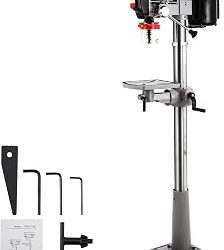
VEVOR packs a 1/2 HP motor, a 6-inch cutting height, and a substantial cast iron table into an aggressively priced package, with a 360-degree work light that genuinely helps when following a pencil line on dark cedar. Expect to spend an evening tuning it, then enjoy solid performance.
Frequently Asked Questions
Can a 10-inch band saw resaw cedar for outdoor furniture?
Yes, within its height limit. Most of these saws manage 5 to 6 inches, which covers nominal 1x and 2x cedar comfortably. Use a wide blade with 3 to 4 TPI, slow your feed rate, and keep the guides close to the workpiece.
What blade should I use for curved chair backs?
A 1/4-inch, 6 TPI blade handles the radii found on most seat backs and bench arms. Go narrower only if your pattern includes tight scroll details, since narrow blades break faster under tension.
Do I really need two speeds?
For softwoods, no. Two speeds matter when you branch into dense tropical species like ipe or cut aluminum trim for a modern patio build, where a slower blade reduces heat and burnishing.
Is a benchtop model enough, or should I get the stand?
Get the stand. Beyond ergonomics, it isolates vibration and gives you a stable platform for long boards — which is most of what outdoor furniture involves.
Final Thoughts
If your projects have outgrown a jigsaw, the WEN BA3962 delivers the most capability per dollar and includes the stand. Step up to the Laguna V:10 for serious resawing and hands-off blade tracking, or the JET JWB-10 if you value smooth, dependable operation over spec-sheet bragging rights.