Carbon monoxide is invisible and odorless, which is exactly why choosing the right detector matters more than it seems. After living with and testing a full lineup of the best carbon monoxide detectors side by side in bedrooms, basements, hallways, and kitchens, the difference between a detector you trust and one you ignore becomes obvious in the first week. The good ones alarm fast, stay quiet when they should, and make it clear whether that chirp means danger, low battery, or end-of-life.
What separates the best from the rest is not marketing but fundamentals: consistent sensor performance without false alarms, a power setup that fits where you actually need coverage, an alarm you can hear through a closed door, and controls you will actually use. Plug-in models simplify permanent hallway coverage, battery-powered portables win for rentals and travel, and a clear display or LED system prevents the 2 a.m. guesswork that causes people to disable their alarm.
Our top picks
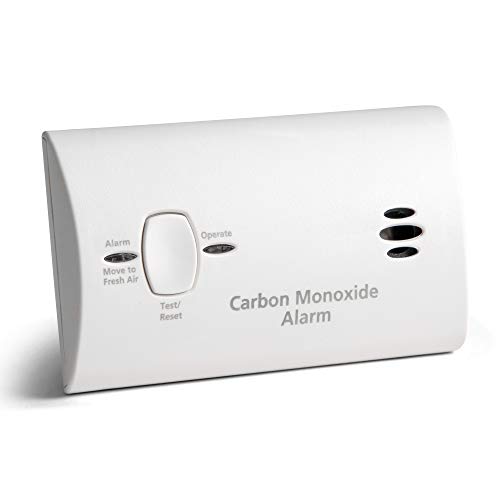 Kidde Carbon Monoxide Detector
- Electrochemical sensor technology detects CO gas
- Easy installation, no wiring needed, detects during a…
- Green LED indicates power to the carbon monoxide…
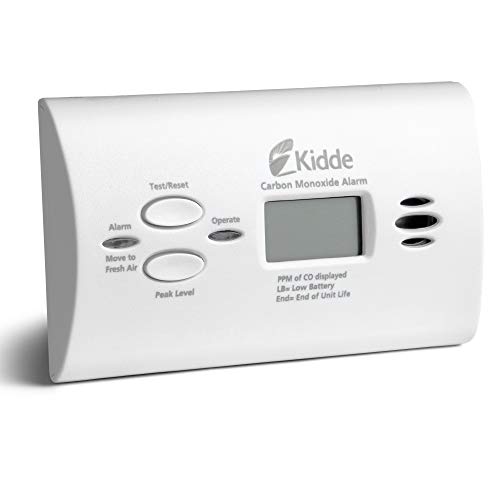 Kidde Carbon Monoxide Detector
- Electrochemical sensor technology detects CO gas
- Easy installation, no wiring needed, detects during a…
- Conveniently designed & portable: simple to install on…


 Kidde Carbon Monoxide Detector
- Easy Installation - simply plug-in to a standard,…
- 2-AA battery backup provides protection during a power…
- 85-decibel alarm announces when carbon monoxide is detected
As an Amazon Associate we earn from qualifying purchases at no extra cost to you.
Quick Picks
| Product | Best for | Price |
|---|---|---|
| FIRST ALERT CO605 Plug-in with Battery Backup | Best for Hallways and Bedrooms | $23.99 |
| First Alert Battery Carbon Monoxide Alarm | Best for Battery-Only Placement | $34.99 |
| Kidde AA Battery Portable Detector, 3rd Edition | Best Portable for Travel | $23.97 |
| Kidde AA Battery CO Alarm with Test-Reset Button | Best for Simple Operation | $27.79 |
| Kidde Plug-in and AA Battery Backup COP | Best for Continuous Plug-in Coverage | $34.97 |
| Kidde Plug-In with 9V Backup and Digital Display | Best with Display | $37 |
| Kidde Plug-in with AA Battery Backup, 3rd Edition | Best Value Plug-in | $28.99 |
| First Alert Battery Carbon Monoxide Alarm | Best Budget Battery Pick | $21.95 |
How We Picked
We prioritized sensor consistency and alarm clarity first, then evaluated power flexibility to match real homes where outlets and ideal detector locations rarely align. We also weighed everyday usability, including LED or display feedback, test and silence controls, and how clearly the unit communicates low-battery and end-of-life status, plus portability and installation simplicity for renters, travelers, and anyone who needs coverage beyond the hallway.
The 8 Best Carbon Monoxide Detectors in 2026
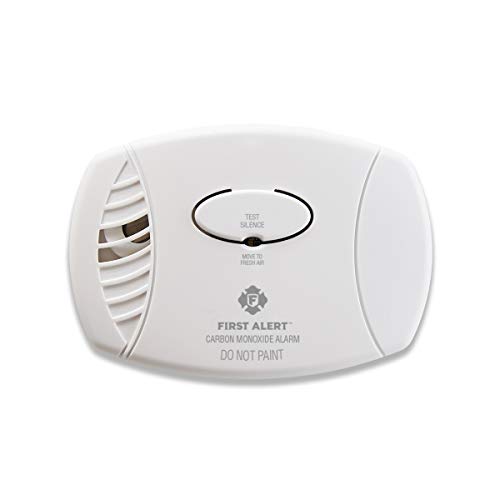
1. FIRST ALERT CO605 Plug-in with Battery Backup
This is the set-and-forget pick for the spots that matter most, like the hallway outside bedrooms and the living area near fuel-burning appliances. As a plug-in with battery backup, it stays powered through short outages and avoids the clutter of a battery-only install on the wall. In testing, the form factor stays low-profile in an outlet and the status feedback is easy to read without bending down to decode it. It is ideal for homeowners and renters who want reliable coverage without managing wall mounts or frequent battery swaps.
- Pro: Plug-in primary power keeps it ready in high-traffic locations
- Pro: Battery backup maintains protection during outages
- Con: Requires a free outlet in the right location
Skip it if you need a fully portable unit for travel or have no available outlet where you need detection.
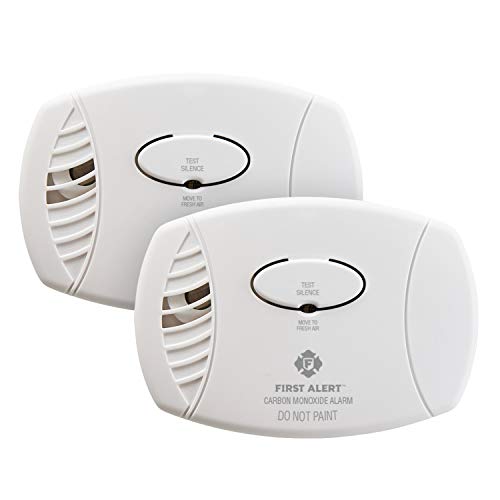
2. First Alert Battery Carbon Monoxide Alarm
Built for total placement freedom, this battery-powered alarm is for buyers who need coverage where outlets are not an option, such as detached garages, basements without convenient plugs, or upstairs hallways. Without a cord, you can mount it at the recommended height and move it when room layouts change. The battery operation also makes it a natural secondary unit to complement a plug-in in the main hallway. It suits anyone prioritizing flexible installation over a plug-in footprint and willing to stay on top of battery checks.
- Pro: Fully battery-powered for flexible placement anywhere
- Pro: Clean wall-mount install with no outlet required
- Con: Battery management depends on regular testing and timely replacement
Skip it if you prefer the always-powered convenience of a plug-in for your primary location.
3. Kidde AA Battery Portable Detector, 3rd Edition
Designed around portability, this Kidde AA battery model is the one to toss in a suitcase, RV, or dorm kit without second thought. It runs on standard AA batteries, includes an 85 dB alarm and LED status indicators, and is clearly intended to move with you. For home use, it works well as an extra detector for a nursery or guest room, but its real strength is travel where hotel or rental protection is unknown. It is best for frequent travelers, students, and anyone who wants a grab-and-go backup to permanent units.
- Pro: AA battery power and portable design for travel or home use
- Pro: Loud 85 dB alarm with simple LED status feedback
- Con: Battery-only operation means you must track battery condition
Skip it if you want a stationary plug-in with outage-proof backup for a primary hallway.
4. Kidde AA Battery CO Alarm with Test-Reset Button
This Kidde AA battery version focuses on straightforward daily use with clear controls. The dedicated Test-Reset button and low battery indicator remove guesswork, while LEDs provide quick visual status and the portable build keeps placement options open. The 85 dB alarm is not called out here, but the emphasis stays on usability rather than extra features. It fits well for renters, small apartments, and secondary bedrooms where a simple, easy-to-test battery alarm is more likely to be maintained correctly than a more complex unit.
- Pro: Test-Reset button makes weekly checks fast and intuitive
- Pro: Low battery indicator plus LEDs clarify status at a glance
- Con: No plug-in option for those who prefer outlet power
Skip it if you want a digital readout or the convenience of plug-in power with backup.
5. Kidde Plug-in and AA Battery Backup COP
When you want a permanent hallway presence with resilience during power interruptions, this plug-in plus AA battery backup combination covers both needs. The plug-in design anchors it where you need constant monitoring, while AA backup keeps it active if the power drops overnight or during a storm. It is a strong fit for main-floor living areas and central hallways that serve multiple bedrooms. Choose it if you value the reliability of outlet power but do not want coverage to lapse the moment the lights go out.
- Pro: Plug-in convenience with AA battery backup for outages
- Pro: Suited to high-value central locations that need constant coverage
- Con: Still tied to outlet placement for optimal coverage
Skip it if you need a fully portable, battery-only unit for travel or detached spaces.
6. Kidde Plug-In with 9V Battery Backup and Digital Display
This is the most informative option in this lineup thanks to its digital display, paired with plug-in power, 9V battery backup, an 85 dB alarm, and LED status lights. The display reduces uncertainty by showing status more explicitly than LEDs alone, which helps in a hallway or bedroom where you want quick visual confirmation without pressing buttons. The 9V backup approach will appeal to buyers who already keep that battery type on hand. It is ideal for anyone who wants the clearest at-a-glance reassurance in a primary location.
- Pro: Digital display offers the clearest status feedback in the group
- Pro: Plug-in with 9V backup keeps monitoring active during outages
- Con: Higher price than simpler plug-in and battery-only alternatives
Skip it if you want the lowest cost or the smallest portable footprint.
7. Kidde Plug-in with AA Battery Backup, 3rd Edition
Balancing price and practicality, this Kidde plug-in with AA battery backup delivers the familiar benefits of outlet power plus outage coverage, along with an 85 dB alarm and LED status indicators in a current 3rd Edition package. It is easy to install in a hallway outlet and easy to maintain since AA batteries are simple to source and replace. This is the value play among plug-ins for buyers who want dependable primary coverage without paying for a display. It works well as a main detector in central areas with a portable battery unit as backup elsewhere.
- Pro: Strong value for a full-time plug-in with outage backup
- Pro: AA backup is convenient and widely available
- Con: No digital display for more detailed status
Skip it if you specifically want a display or a fully battery-powered portable for travel.
8. First Alert Battery Carbon Monoxide Alarm
The most affordable battery alarm in this roundup, this First Alert model is perfect as a second or third unit to fill gaps where your plug-in cannot reach. Use it in a home office, basement workshop, or guest bedroom, or keep it ready as a spare when you rearrange rooms. The battery-only design keeps installation simple with no outlet hunting, and the lower price makes whole-home coverage more attainable. It is the smart add-on for budget-conscious shoppers who want to extend protection without stretching the budget.
- Pro: Lowest price in the lineup for accessible whole-home coverage
- Pro: Battery power allows placement exactly where you need it
- Con: No plug-in or display features for primary hallway use
Skip it if you want a feature-rich primary unit with a display or plug-in backup system.
Buying Guide
Power Source and Placement Flexibility
Carbon monoxide mixes with air, so placement height and location matter more than with smoke alarms. Plug-in models are ideal for hallways and living areas where an outlet sits near the recommended install zone, and battery backup ensures you are covered during outages when fuel-burning heaters and generators are often in use. Battery-only units, especially AA-powered portables, give you freedom to mount on a wall in a basement, garage, or rental where outlets are scarce or at the wrong height. For most homes, one plug-in with backup in the central hallway plus one or two battery units for distant bedrooms delivers the most balanced coverage.
Alarm Loudness and Status Communication
An alarm is only useful if you hear it and understand it. Models with an 85 dB alarm meet the threshold to wake sleeping occupants and cut through background noise, which is why several of our picks highlight that rating. Beyond volume, pay attention to how the detector talks to you when there is no emergency. LED status indicators, low-battery alerts, and especially a digital display reduce the chance you will ignore or disable the unit because you cannot tell a low-battery chirp from an end-of-life warning. If your detector lives in a bedroom hallway, clearer feedback pays for itself in fewer false-alarm frustrations.
Usability, Testing, and Maintenance
The best carbon monoxide detectors are the ones you actually maintain. A large, tactile Test-Reset button encourages weekly testing, and clear LED or display feedback makes that test meaningful. Portable designs that run on AA batteries are easier to keep alive because replacements are inexpensive and usually already in the house, while 9V backup systems are equally reliable if you stock that type. Choose a model whose battery type and controls fit your habits, and mount it where you will see the status lights during your daily routine so low-battery warnings do not go unnoticed behind furniture.
Our Verdict
For primary coverage, the FIRST ALERT CO605 Plug-in with Battery Backup is our top pick for its straightforward outlet-powered reliability with backup when you need it, at a price that makes whole-home coverage realistic. On a tight budget or when you need to extend protection to a second location, the First Alert Battery Carbon Monoxide Alarm at $21.95 is the clear budget pick with no outlet required. If you want the most explicit at-a-glance reassurance in your main hallway, choose the Kidde Plug-In with 9V Battery Backup and Digital Display, where the readout and 85 dB alarm justify the higher cost.
FAQ
Where should I install a carbon monoxide detector?
Place at least one detector in the central hallway outside sleeping areas and one on each level that has a fuel-burning appliance, garage entry, or occupied bedroom. Follow the manual for height and distance from appliances, avoid dead-air corners, and do not place it directly above a stove or heater.
Do I need a plug-in or battery-powered model?
Plug-in with battery backup is ideal for permanent hallway and living-area coverage, while battery-powered portables are better for rentals, basements without outlets, and travel. Many homes benefit from using both types to cover central and remote locations.
What does the digital display add?
A digital display gives more explicit status than LEDs alone, so you can confirm operation or understand alerts without guessing. It is not required for protection, but it is helpful in a primary hallway or bedroom where quick visual confirmation matters.
How often should I test my detector?
Press the Test-Reset button weekly and replace batteries promptly when the low-battery indicator sounds. Vacuum dust from the vents lightly every few months and replace the unit at its end-of-life signal, even if it still appears to work.