Key takeaways
- Climate: Match the plant to your hardiness zone and winter conditions. Warm-climate vines may need protection or seasonal relocation in colder areas.
- Growth rate: Fast-growing climbers provide shade sooner, but they also demand more tying, trimming, and structural support.
- Sun exposure: Check how many hours of direct light your pergola receives. Flowering performance often depends on getting the light level right.
- Support: Use a strong, stable framework for woody vines, and add trellis wire or mesh where stems need help reaching across the roof.
- Maintenance: Consider pruning, watering, fallen flowers, and the plant’s mature size before placing it beside seating, paving, or outdoor furniture.
What's inside
A pergola can transform a patio into a cool, leafy retreat, but choosing the wrong climber can create years of frustration. Some vines grow too aggressively for a timber frame, while others need warmer winters, frequent pruning, or more sun than your outdoor space receives.
This guide compares flowering vines and seed-grown options with an outdoor-living perspective, focusing on growth habit, seasonal interest, training needs, and how well each choice suits a pergola. It also highlights practical considerations such as climate, container growing, and structural support.
As an Amazon Associate we earn from qualifying purchases at no extra cost to you. Product prices and availability are accurate as of the date shown and are subject to change.




🛒 Best Price Today on Amazon
Prime members get fast, free shipping on everything above, plus member-only deals. New members get a 30-day free trial — cancel anytime.
How to Choose a Climbing Plants For A Pergola (2026)
- Climate: Match the plant to your hardiness zone and winter conditions. Warm-climate vines may need protection or seasonal relocation in colder areas.
- Growth rate: Fast-growing climbers provide shade sooner, but they also demand more tying, trimming, and structural support.
- Sun exposure: Check how many hours of direct light your pergola receives. Flowering performance often depends on getting the light level right.
- Support: Use a strong, stable framework for woody vines, and add trellis wire or mesh where stems need help reaching across the roof.
- Maintenance: Consider pruning, watering, fallen flowers, and the plant’s mature size before placing it beside seating, paving, or outdoor furniture.
The Best Climbing Plants For A Pergola (2026)s Reviewed
Three Wisteria Live Plants
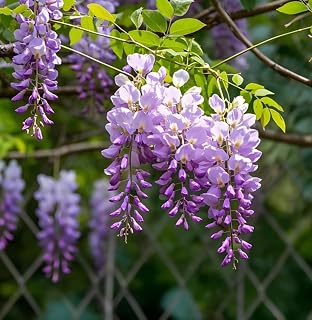
The 3 Wisteria Live Plants 1–2 Ft Tall offer a useful starting set for anyone planning a classic, flower-laden pergola display. Wisteria is valued for its cascading blooms and vigorous climbing habit, but it needs a robust frame, patient training, and regular pruning to keep its weight and spread under control.
Blue Wisteria Live Plant
The Blue Wisteria Live Plant in a 2.5-inch pot is a compact way to begin with one specimen, making it appealing for smaller pergolas or gardeners who want to establish a single focal vine. Expect a slower early phase while it settles in, followed by stronger growth with full sun, consistent moisture, and dependable support.
Three Mixed Mandevilla Live Plants
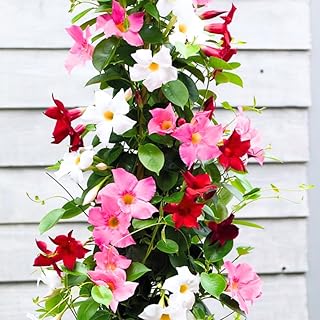
These 3 Mixed Mandevilla Live Plants suit sunny decks, warm patios, and pergolas where a long flowering season is the priority. Mandevilla is less cold-tolerant than hardy woody vines, but its colorful flowers and container-friendly habit make it especially practical for seasonal outdoor rooms in warm climates.
Climbing Jasmine Seeds
The 410 Climbing Jasmine Seeds for Planting provide an economical route to a fragrant, green pergola covering, although seed-grown plants require more time and patience than established starts. Jasmine can bring excellent evening appeal with its white flowers and scent; give seedlings warmth, steady moisture, and a fine support system as they develop.
Two Wisteria Live Plants
The 2 Wisteria Live Plants 1–2 Ft Tall are a sensible middle ground for covering a pergola with coordinated growth without buying a larger set. Plant them where their mature vigor can be managed, and train young stems horizontally to encourage fuller coverage across the overhead beams.
Frequently Asked Questions
What is the best climbing plant for a pergola?
The best choice depends on your climate and desired look. Wisteria creates dramatic cascades on a sturdy structure, while mandevilla is better for warm, sunny spaces where seasonal flowers and container flexibility matter most.
Can wisteria damage a pergola?
It can if the pergola is lightweight or neglected. Wisteria develops thick, woody stems and substantial weight, so use a well-anchored structure, guide growth deliberately, and prune regularly to prevent stems from crowding joints or gutters.
Are mandevilla plants suitable for cold climates?
Mandevilla generally performs best in warm conditions and is commonly grown as a seasonal plant in colder regions. It can work in a container near a pergola, allowing it to be moved into protected conditions when temperatures fall.
How long do climbing plants take to cover a pergola?
Timing varies with the plant, starting size, sunlight, watering, and climate. Established vines may provide noticeable coverage within a few growing seasons, while jasmine grown from seed typically takes longer to form a substantial canopy.
Final Thoughts
For a bold, permanent pergola feature, the Three Wisteria Live Plants or Two Wisteria Live Plants are strong contenders if your frame can handle their vigor. Choose the Blue Wisteria Live Plant for a smaller-scale beginning, or opt for Mixed Mandevilla when warm-weather flowers and container mobility are more important than year-round structure.