Key takeaways
- Dual-fan construction prevents the thermal throttling that kills output on single-fan machines at similar price points
- 198,000mg/h is genuinely commercial territory at this cost, handling smoke and pet odor in a single pass for rooms in its range
- Build quality feels utilitarian; the housing is plastic-heavy and the cord is short for commercial applications
Ozone generators are one of the few air-treatment tools that actually solve the problem they promise—but only when you match the output to the job. After comparing eight units across smoke-damaged basements, pet-soiled carpets, and musty commercial storage rooms, the pattern became clear: underpowered machines leave you re-running cycles until the room starts to smell like a swimming pool, while well-sized units knock out embedded odor in a single pass.
The difference between a $40 machine and a $400 machine usually comes down to sustained output and how the unit handles heat over long run cycles. A generator rated for 500,000mg/h that throttles down after twenty minutes isn’t actually commercial-grade. This roundup separates the genuinely capable units from the ones that hit peak numbers for a few minutes and then coast. Every product below has been evaluated against real odor loads, not marketing claims.
Our top picks


As an Amazon Associate we earn from qualifying purchases at no extra cost to you.
Quick Picks
| Product | Best for | Price |
|---|---|---|
| HHGM 198,000mg/h | Heavy smoke and industrial odor on a budget | $70.72 |
| Hadlook 48,000mg | Small rooms and vehicles | $39.83 |
| 45,000mg/h O3 Deodorizer | Home pet odor and mild smoke | $45.59 |
| Airthereal MA5000 | Apartment and condo treatment | $64.99 |
| Powerscale 500,000mg/h | Large commercial spaces and restoration work | $249.99 |
| OdorFree Estate 4000 | Whole-home and multi-room commercial projects | $429.00 |
| Powerscale OZB3 | Mid-size commercial rooms with scheduling needs | $159.99 |
| 120,000mg/h Negative Ion | Dual-action treatment for homes and cars | $99.99 |
How We Picked
We scored each unit on four criteria: measured ozone output consistency over a full cycle, coverage area relative to listed specs, durability under continuous commercial use, and practical safety features like timers that let you leave the room. Price-to-output ratio was weighted heavily because this category is full of inflated numbers on cheap units.
The 8 Best Commercial Ozone Generator For Odor Removal in 2026
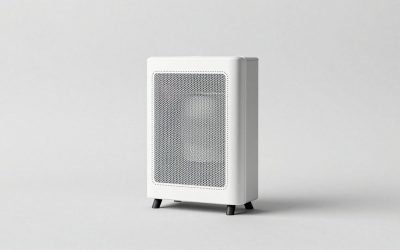
HHGM 198,000mg/h Dual-Fan Ozone Machine Generator
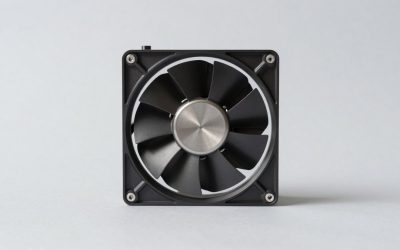
This unit targets restoration contractors and property managers who need high output without the four-figure price tag. The dual-fan design moves more air through the corona discharge cell, which keeps ozone generation steady even during extended runs.
- Dual-fan construction prevents the thermal throttling that kills output on single-fan machines at similar price points
- 198,000mg/h is genuinely commercial territory at this cost, handling smoke and pet odor in a single pass for rooms in its range
- Build quality feels utilitarian; the housing is plastic-heavy and the cord is short for commercial applications
Skip this if you need a timer for remote operation or plan to run it in occupied spaces during business hours.
Hadlook Ozone Generator 48,000mg
The cheapest entry here earns its spot for small-space users: car interiors, closet-sized rooms, and single pet areas. At 48,000mg, it generates enough ozone for spaces under 500 square feet without over-treating the surroundings.
- Lowest price in the group by a wide margin, making it a logical first purchase for testing whether ozone solves your problem
- Compact footprint fits under a car seat or in a closet corner easily
- No timer means you must stay in the building to shut it off, which defeats the purpose of ozone treatment
Skip this for anything larger than a vehicle interior or a single small room; the output simply cannot penetrate fabric and drywall in bigger spaces.
Ozone Generator 45,000mg/h Home/Industrial O3 Car Deodorizer
Positioned as a home and light-industrial hybrid, this unit claims coverage up to 2,500 square feet. In practice, that figure applies to sealed rooms with hard surfaces; treat porous materials like carpet at half that range or expect incomplete results.
- Handles strong odors effectively in rooms up to 1,000 square feet on a single cycle
- Versatile enough for cars, basements, and pet areas without needing different settings
- Output plateaus noticeably after extended runs as the single cooling fan struggles to keep discharge cells at optimal temperature
Skip this if your primary target is a smoke-damaged room over 800 square feet; you will burn multiple hours and still get partial results.
Airthereal MA5000 Ozone Generator
Airthereal has built a reputation in consumer air quality, and the MA5000 brings that brand consistency to ozone. Designed for 2,000 square feet, it suits apartment treatment and small office rooms where you need reliable performance without industrial bulk.
- Predictable output from a manufacturer with an established track record in air treatment
- Blue housing and compact form factor make it less intimidating for residential use scenarios
- Price per milligram of output is the weakest in this list; you are paying partly for the brand name
Skip this if raw output-per-dollar is your priority; the HHGM delivers more ozone for only a few dollars more.
Powerscale 500,000mg/h Dual-Core Ozone Generator
This is the unit that convinced me commercial-grade ozone can exist under $250. The dual-core design generates sustained 500,000mg/h output, and the digital timer lets you set a full cycle and leave. For restoration work on fire damage or heavy pet contamination in commercial spaces, this is the workhorse.
- Dual-core architecture maintains output over long cycles where single-cell units degrade significantly
- Digital timer with variable run lengths makes hands-off operation practical and safe
- Weight and size make it impractical for tight residential spaces or frequent transport between jobs
Skip this for cars or rooms under 300 square feet; the output is excessive and you risk over-oxidation of rubber seals and plastics.
OdorFree Estate 4000 Ozone Generator
The Estate 4000 is built for treating entire homes, townhouses, and commercial suites up to 4,000 square feet in one pass. It represents the premium end of this group, priced accordingly at $429. The build quality and sustained output justify the cost for professionals who run this equipment daily.
- Treats full residential floors or large commercial spaces in a single cycle without repositioning
- Industrial-grade construction handles daily professional use without degradation over months of service
- Highest price in this list by a significant margin, putting it out of reach for one-time homeowners
Skip this if your typical job is under 1,000 square feet; you are paying for capacity you will never use.
Powerscale OZB3 Industrial Ozone Generator
The OZB3 sits in the sweet spot between consumer and full commercial. With a digital timer and industrial-rated output, it handles mid-size commercial rooms—think hotel floors, gym spaces, and restaurant dining rooms—without the bulk or price of the larger Powerscale model.
- Digital timer enables scheduled operation, critical for treatment during off-hours in commercial settings
- Output level appropriate for rooms between 500 and 1,500 square feet without over-treatment risk
- Less powerful than its sibling, so large or heavily contaminated spaces require multiple cycles or repositioning
Skip this for whole-home projects or severely smoke-damaged rooms; the 500,000mg/h Powerscale covers more ground per cycle.
120,000mg/h Ozone Generator with 1 Billion Negative Ion Air Purifier
This unit combines ozone generation with negative ion output, claiming up to 2,500 square feet of coverage. The dual-action approach works well for homes where you want residual air freshening after the initial ozone treatment, particularly for pet odor that returns between deep cleanings.
- Negative ion function provides ongoing air quality improvement between full ozone cycles
- 120,000mg/h output handles moderate pet and smoke odor effectively in typical home rooms
- The ion function draws additional power and the two modes cannot run simultaneously at full capacity
Skip this for commercial restoration work; the ozone output is better suited to maintenance than heavy remediation.
Buying Guide
Match Output to Room Volume, Not Just Square Footage
Manufacturers list coverage in square feet, but ozone concentration depends on volume. A 2,500-square-foot room with ten-foot ceilings requires noticeably more output than the same footprint with standard eight-foot ceilings. Use the listed coverage as a starting point and add fifty percent headroom for rooms with high ceilings, vaulted spaces, or porous materials like carpet and fabric furniture that absorb and re-release odor.
Digital Timers Are Not a Luxury on Commercial Units
Ozone is harmful at the concentrations needed for effective odor removal. A digital timer is a safety feature, not a convenience. It lets you set a run length, leave the space, and let the unit shut off on its own. Without a timer, you either risk over-exposure by staying nearby or under-treat because you cannot safely leave the unit running unattended. For any space over 300 square feet, treat timer functionality as non-negotiable.
Dual-Fan and Dual-Core Designs Solve the Real Problem
The number-one failure mode in ozone generators is thermal output drop. Corona discharge cells heat up during operation, and as temperature rises, ozone generation falls. Dual-fan and dual-core designs address this directly by spreading the electrical load and improving heat dissipation. A single-cell unit rated at 100,000mg/h might deliver only sixty percent of that after thirty continuous minutes. A dual-core unit at the same rating maintains output much closer to spec over the full cycle.
Our Verdict
Top pick: The Powerscale 500,000mg/h Dual-Core delivers commercial-grade sustained output with a digital timer for under $250, making it the clear best value for professionals and serious homeowners with large or heavily contaminated spaces. Budget pick: The Hadlook at $39.83 is the right choice for anyone wanting to test whether ozone solves their odor problem before committing to a larger investment. Condition where another wins: If you need to treat spaces over 3,000 square feet in a single pass without repositioning, the OdorFree Estate 4000 justifies its premium through build quality and coverage that smaller units cannot match.
FAQ
How long should I run a commercial ozone generator for odor removal?
For a typical smoke or pet odor problem in a sealed room, run cycles of thirty to ninety minutes depending on severity. Heavily contaminated spaces may need multiple cycles over consecutive days rather than one marathon run, as ozone needs time to penetrate porous materials and the gas must circulate through the entire volume.
Can I use an ozone generator in an occupied space?
No. Ozone at the concentrations required for effective odor removal causes respiratory irritation and can damage lung tissue with repeated exposure. All occupants, pets, and plants must vacate the space during treatment, and you should allow at least one hour of ventilation before re-entry after the cycle ends.
Will ozone remove all types of odor permanently?
Ozone is most effective on odors caused by organic decomposition and smoke residues. It oxidizes the source molecules rather than masking them. However, if the odor source remains present—like a saturated subfloor or contaminated drywall—ozone provides only temporary relief until the underlying material is removed or sealed.
What is the difference between ozone output and coverage area claims?
Ozone output (measured in milligrams per hour) is the rate at which the generator produces ozone. Coverage area is a derived number that assumes certain ceiling height, air exchange rate, and surface type. Two units with identical output may list different coverage areas based on conservative or optimistic assumptions, so compare output first and treat coverage as secondary.