Key takeaways
- Fiber: Wool offers natural resilience and a substantial feel, while synthetic fibers and washable constructions usually simplify cleanup.
- Pile: Choose a low-pile or tightly woven rug so dining chairs move smoothly without catching at the edge of the table.
- Spill resistance: For everyday dining, prioritize materials and finishes that resist absorbing moisture and release food stains without aggressive scrubbing.
- Backing: A non-slip backing or separate rug pad helps prevent shifting, especially on smooth wood, tile, or polished concrete floors.
- Coverage: Leave enough rug around the table for chairs to remain on the rug when pulled out; measure the table and add roughly 24 inches on each side.
What's inside
Choosing a dining room rug is less about finding the prettiest pattern and more about selecting a surface that can handle chairs, crumbs, damp shoes, and the occasional spilled drink. The wrong material may snag on chair legs, shed into food, or become difficult to clean after one busy family meal.
This guide evaluates the leading options through an outdoor-living lens: durability, cleanability, texture, moisture tolerance, and how easily a rug transitions between indoor dining and covered patios or open-air entertaining spaces. The best choice depends on your household, floor type, and appetite for maintenance.
As an Amazon Associate we earn from qualifying purchases.


How to Choose a/an Dining Room Rug Material (2026)
- Fiber: Wool offers natural resilience and a substantial feel, while synthetic fibers and washable constructions usually simplify cleanup.
- Pile: Choose a low-pile or tightly woven rug so dining chairs move smoothly without catching at the edge of the table.
- Spill resistance: For everyday dining, prioritize materials and finishes that resist absorbing moisture and release food stains without aggressive scrubbing.
- Backing: A non-slip backing or separate rug pad helps prevent shifting, especially on smooth wood, tile, or polished concrete floors.
- Coverage: Leave enough rug around the table for chairs to remain on the rug when pulled out; measure the table and add roughly 24 inches on each side.
The Best Dining Room Rug Material (2026)s Reviewed
Loloi Magnolia Home Gigi Ivory/Stone Area Rug
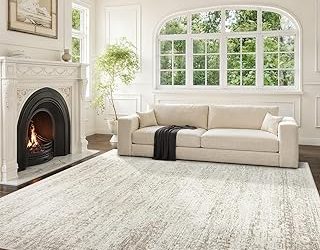
The Loloi Magnolia Home Gigi is a strong choice for dining rooms that need a calm, traditional foundation. Its ivory-and-stone palette hides minor dust better than a stark white rug, while the relatively low-profile design should keep chair movement practical. It also suits covered outdoor-inspired spaces visually, though it should be treated as an indoor rug unless the manufacturer specifically approves exterior use.
Loloi Magnolia Home Pace Forrest/Natural Area Rug
With forest green and natural tones, the Magnolia Home Pace brings the grounded character of an outdoor landscape indoors. The vintage-inspired coloring is useful beneath a dining table because it visually disguises small marks between cleanings. It is a particularly good match for wood furniture, woven lighting, and rooms that open onto a porch or garden.
Hand-Tufted Basketweave Wool Area Rug
This hand-tufted wool rug uses a basketweave texture and coral-rose check pattern to create a warmer, more tactile dining area. Wool is naturally springy and durable, making it comfortable underfoot and capable of recovering from moderate furniture pressure. However, the textured surface may require more attentive vacuuming around the table, and early shedding is possible with some wool rugs.
Loloi Magnolia Home Junie Blue/Natural Area Rug
The Magnolia Home Junie pairs muted blue with natural tones for a relaxed look that feels equally at home in a coastal dining room or a covered entertaining area. Its understated pattern adds interest without overwhelming tableware and centerpieces. This is an appealing option for buyers who want a refined rug that does not make every crumb visually prominent.
Washable Beige 8×10 Low-Pile Area Rug
This beige washable rug is the practical pick for households where dining means frequent spills, pets, or young children. Its low pile is well suited to chair legs, and a neutral vintage look works across dining rooms, offices, and bedrooms. Confirm the washing-machine dimensions and care instructions before buying, since an 8×10 rug may require a large-capacity machine or commercial cleaning.
Frequently Asked Questions
What is the best rug material for a dining room?
There is no single winner for every home. Wool is an excellent all-around material for resilience and comfort, while washable synthetic or woven rugs are often better for families prioritizing quick cleanup and low maintenance.
Is wool a good material under a dining table?
Yes. Wool is durable, naturally insulating, and pleasantly soft underfoot. Choose a low-profile weave or short pile, vacuum regularly, and blot spills promptly rather than rubbing them deeper into the fibers.
Are washable rugs suitable for dining rooms?
They can be ideal, particularly in high-traffic homes. Look for a stable backing, reliable edge construction, and care instructions that fit your available washing equipment. A washable rug should still be dried thoroughly to prevent odors or mildew.
Can an indoor dining rug be used outside?
Usually not. Indoor rugs may fade, retain moisture, or deteriorate when exposed to rain and prolonged sunlight. For a covered patio, use an indoor-outdoor rug specifically labeled for exterior conditions, even if an indoor design has the look you want.
Final Thoughts
For a classic dining room, the Loloi Magnolia Home Gigi is an easygoing choice, while the Magnolia Home Pace brings richer, nature-inspired color. If cleanup is your priority, the washable beige low-pile rug is the most practical pick; for texture and long-term resilience, the hand-tufted wool basketweave deserves a close look.