Key takeaways
- Footprint: Measure the table in both its closed and expanded positions, then allow roughly 36 inches behind occupied chairs wherever possible. Account for doors, cabinets, and walkways.
- Flexibility: Drop leaves, folding tops, extension leaves, and compact round-to-oval designs can provide extra seating without consuming floor space every day.
- Construction: Solid wood and thick engineered wood can handle regular use, while metal legs may add welcome rigidity. Check the hardware, leg position, and weight capacity—not just the tabletop finish.
- Storage and mobility: Shelves, hidden compartments, locking casters, and folding sections are especially useful when a dining area doubles as a craft, work, or entertaining zone.
- Daily comfort: Consider legroom, tabletop height, chair clearance, and edge shape. A table that technically fits but pinches knees or blocks circulation will quickly become frustrating.
What's inside
Small-space dining is rarely just about finding a table that fits. The best choice must leave a clear path around chairs, work comfortably for everyday meals, and adapt when guests arrive—without making the room feel permanently furnished. From an outdoor-living perspective, I look for the same qualities that matter on a compact patio: efficient footprints, easy movement, sturdy construction, and surfaces that are practical rather than precious.
This guide compares space-conscious dining tables for apartments, breakfast nooks, multipurpose rooms, and small homes. The focus is on flexible designs, usable storage, seating capacity, mobility, and the details that help a table transition smoothly from weekday dining to entertaining.
As an Amazon Associate we earn from qualifying purchases.



How to Choose a Dining Table For Small Spaces (2026)
- Footprint: Measure the table in both its closed and expanded positions, then allow roughly 36 inches behind occupied chairs wherever possible. Account for doors, cabinets, and walkways.
- Flexibility: Drop leaves, folding tops, extension leaves, and compact round-to-oval designs can provide extra seating without consuming floor space every day.
- Construction: Solid wood and thick engineered wood can handle regular use, while metal legs may add welcome rigidity. Check the hardware, leg position, and weight capacity—not just the tabletop finish.
- Storage and mobility: Shelves, hidden compartments, locking casters, and folding sections are especially useful when a dining area doubles as a craft, work, or entertaining zone.
- Daily comfort: Consider legroom, tabletop height, chair clearance, and edge shape. A table that technically fits but pinches knees or blocks circulation will quickly become frustrating.
The Best Dining Table For Small Spaces (2026)s Reviewed
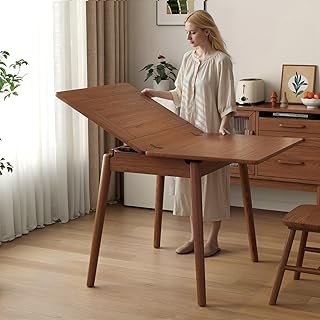
Solid Wood Expandable Table for Two to Six
This walnut solid-wood table offers a particularly practical range for compact homes, starting with a narrow footprint and extending when company arrives. Its straightforward design should blend easily with kitchen, dining, or living-room furniture, while the relatively simple assembly is helpful for apartment delivery and setup.
AWQM Three-Piece Dining Set for Two
When both table and seating are needed, this brown breakfast-nook set is an efficient solution. The two chairs can tuck neatly beneath the tabletop, making it well suited to a small kitchen corner or apartment dining area where every inch of circulation matters.
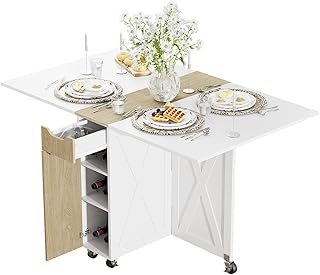
Round-to-Oval Extendable Wood Table
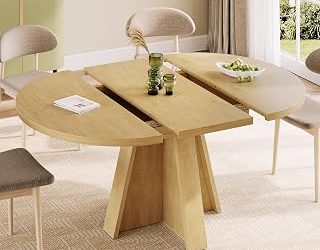
The 35.4-inch round configuration gives everyday meals a friendly, space-efficient footprint, then the extension leaf converts it into an oval surface for additional diners. Hidden storage is a useful bonus in a small room, and the softened shape avoids the sharp corners that can be awkward in tight walkways.
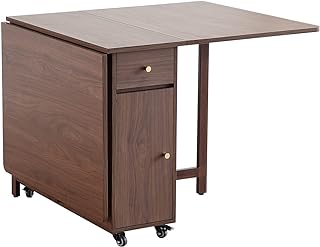
Drop-Leaf Folding Table with Storage and Wheels
This walnut table is designed for rooms that need to change function frequently. Drop leaves, storage, and locking wheels make it easy to move against a wall or reposition for meals, crafts, or extra serving space; the stated 300-pound capacity and thick plywood construction also suggest a more substantial feel than many lightweight folding tables.
Extendable Round Table with Built-In Flip Leaf
With a 42-to-58-inch range, this table is a strong candidate for households that want a compact round form most of the time but need seating for four to six on occasion. The built-in flip leaf and storage shelf add useful versatility, while metal legs can provide a crisp, contemporary look in an apartment or open-plan room.
Frequently Asked Questions
What table shape works best in a very small dining area?
Round tables are often easiest to navigate because they eliminate corners and create a more relaxed path around the perimeter. A round-to-oval model is even more flexible: it keeps a compact daily footprint but provides a longer surface when guests arrive.
How much space should I leave around a small dining table?
Aim for about 36 inches between the table edge and nearby walls, counters, or furniture so chairs can pull out and people can pass behind them. If the table sits in a rarely used nook, you may manage with less on one side, but keep the primary chair positions comfortable.
Are folding dining tables sturdy enough for everyday use?
They can be, provided the hinges, frame, and wheel locks are well made and the tabletop is properly supported when open. For daily dining, choose a model with a published weight capacity, substantial construction, and locking casters rather than treating it like occasional event furniture.
Is an extendable table better than a fixed small table?
An extendable table is usually the better fit when your household regularly hosts visitors or uses the table for projects. A fixed table may be preferable when simplicity, maximum legroom, and a consistently light visual profile matter more than extra seating.
Final Thoughts
The Solid Wood Expandable Table for Two to Six is a balanced all-purpose choice, while the AWQM Three-Piece Set makes the most sense when you need seating included and want everything to tuck away neatly. For the greatest day-to-day flexibility, consider the Round-to-Oval Extendable Table or the wheeled Drop-Leaf Folding Table with Storage; both bring the adaptable, easy-moving character that works so well in compact indoor and outdoor-inspired living spaces.