Key takeaways
- Garage use: A basic parking area may need only spill protection, while a workshop benefits from modular tiles that can be replaced individually.
- Surface condition: Roll flooring needs a reasonably smooth, dry slab. Uneven concrete, cracks, and raised edges can telegraph through flexible mats.
- Drainage: Open-grid tiles allow meltwater and wash water to pass beneath the surface, making them useful in wet climates when the slab drains properly.
- Load and traction: Check rolling-load specifications, especially if you use floor jacks, heavy tool chests, or SUVs with wide tires. Textured surfaces can improve grip.
- Installation and upkeep: Roll mats install quickly but may need flattening and trimming. Interlocking tiles are more forgiving to install and easier to remove for cleaning or repairs.
What's inside
Choosing the best flooring for a garage is less straightforward than picking a color and rolling it out. Tires, oil, road salt, water, dropped tools, jack stands, and constant temperature swings can quickly expose a weak surface. The right system should suit how you use the space, whether that means parking a daily driver, maintaining a project car, or creating a clean outdoor gear workshop.
This guide compares practical garage flooring formats, including roll-out mats and interlocking tiles. We focus on installation effort, drainage, load handling, cleaning, moisture management, and long-term value so you can select a surface that works with your garage rather than simply covering its problems.
As an Amazon Associate we earn from qualifying purchases.



How to Choose a/an Flooring For Garage (2026)
- Garage use: A basic parking area may need only spill protection, while a workshop benefits from modular tiles that can be replaced individually.
- Surface condition: Roll flooring needs a reasonably smooth, dry slab. Uneven concrete, cracks, and raised edges can telegraph through flexible mats.
- Drainage: Open-grid tiles allow meltwater and wash water to pass beneath the surface, making them useful in wet climates when the slab drains properly.
- Load and traction: Check rolling-load specifications, especially if you use floor jacks, heavy tool chests, or SUVs with wide tires. Textured surfaces can improve grip.
- Installation and upkeep: Roll mats install quickly but may need flattening and trimming. Interlocking tiles are more forgiving to install and easier to remove for cleaning or repairs.
The Best Flooring For Garage (2026)s Reviewed
8×20 FT Diamond-Plate Garage Floor Mat
This thickened PVC and rubber-style roll is a practical choice for covering a full parking bay with minimal seams. The diamond-plate texture adds visual definition and traction, while the included tape helps keep the mat from shifting; measure carefully and let the material relax flat before final placement.
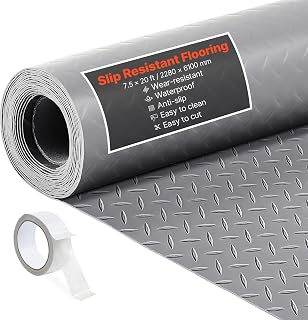
VEVOR 7.5 x 20 ft Garage Floor Roll
VEVOR’s silver-gray diamond-plate mat offers broad coverage and a relatively simple installation for garages, trailers, gyms, and work areas. Its smooth, wipe-clean format suits drivers who want a protective barrier against routine dirt and spills without committing to a permanent floor coating.
Swisstrax Ribtrax PRO Garage Floor Tiles
These commercial-grade polypropylene tiles are a strong premium option for a finished garage or enthusiast workspace. The snap-together design avoids adhesives, and the open structure promotes drainage and airflow beneath the floor, although the slab and perimeter should be planned so water has somewhere to go.
SnapLock RaceDeck Free-Flow Garage Tiles
RaceDeck Free-Flow tiles are designed for garages where drainage, ventilation, and a crisp modular appearance matter. Their 12-inch format is easy to arrange around posts and cabinets, while the stated 80,000-pound rolling-load capacity provides reassuring headroom for serious vehicle use.
Interlocking Modular Garage Floor Tiles, 48-Pack
This 48-pack is a value-oriented way to create a replaceable plastic tile floor in a garage, basement, or shop. The interlocking construction and oil- and stain-resistant surface make it convenient for active work areas, though buyers should verify the exact coverage and load rating for their layout before ordering.
Frequently Asked Questions
Is roll-out flooring or tile better for a garage?
Roll flooring is usually faster and more economical for covering a clean, open slab. Tiles are better when drainage, visual customization, access to the concrete, or replacement of damaged sections is important.
Can garage flooring go over cracked concrete?
It can cover minor cosmetic cracking, but it will not repair structural movement or major height changes. Clean and dry the slab, remove loose material, and address moisture or substantial damage before installing any floor system.
What garage flooring is easiest to clean?
Solid roll mats are generally the quickest to sweep and wipe because debris stays on top. Open-grid tiles can handle water and meltwater well, but dirt may collect underneath and periodically require lifting sections for a deeper cleanup.
Is a garage floor mat enough for oil spills?
A quality mat can protect concrete from many everyday drips and spills, but no floor covering should be treated as permanently chemical-proof. Wipe up oil promptly, follow the manufacturer’s cleaning guidance, and inspect edges where fluids can travel underneath.
Final Thoughts
For straightforward full-bay protection, the 8×20 FT Diamond-Plate Garage Floor Mat is a sensible starting point, while the VEVOR roll offers another broad, easy-clean option. If drainage and a more permanent modular finish are priorities, Swisstrax Ribtrax PRO or SnapLock RaceDeck Free-Flow tiles are the stronger long-term picks.