Key takeaways
- Length: Measure the usable walking path, then leave a visible border of flooring at both ends and along the sides so the runner looks intentional rather than wall-to-wall.
- Grip: Look for non-slip or rubber-backed construction, particularly near exterior doors where damp soles and tracked-in grit can make smooth rugs shift.
- Profile: A low pile is easier to vacuum, less likely to catch beneath doors, and better suited to busy transition zones between outdoor and indoor areas.
- Care: Washable, stain-resistant materials are valuable in entryways, kitchens, and homes with pets, but always check the care label and drying requirements.
- Color: Beige and vintage patterns disguise everyday dust, while darker or multicolor designs are more forgiving in high-traffic corridors and mud-season conditions.
What's inside
A hallway runner has to handle more than foot traffic: it catches grit from outdoor shoes, softens hard flooring, and sets the visual tone for adjoining rooms. The challenge is finding one that stays flat, grips the floor, fits an awkward corridor, and can cope with muddy-season mess without becoming a chore to maintain.
This guide evaluates the strongest options for practical indoor-outdoor living, with attention to washable construction, low-profile edges, non-slip backing, pile height, color, and useful sizing. Whether you are furnishing a compact apartment entry or a long passage between the back door and living space, these runners offer sensible ways to protect floors while keeping the route comfortable underfoot.
As an Amazon Associate we earn from qualifying purchases.



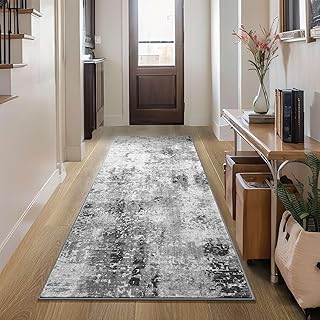
How to Choose a/an Hallway Runner (2026)
- Length: Measure the usable walking path, then leave a visible border of flooring at both ends and along the sides so the runner looks intentional rather than wall-to-wall.
- Grip: Look for non-slip or rubber-backed construction, particularly near exterior doors where damp soles and tracked-in grit can make smooth rugs shift.
- Profile: A low pile is easier to vacuum, less likely to catch beneath doors, and better suited to busy transition zones between outdoor and indoor areas.
- Care: Washable, stain-resistant materials are valuable in entryways, kitchens, and homes with pets, but always check the care label and drying requirements.
- Color: Beige and vintage patterns disguise everyday dust, while darker or multicolor designs are more forgiving in high-traffic corridors and mud-season conditions.
The Best Hallway Runner (2026)s Reviewed
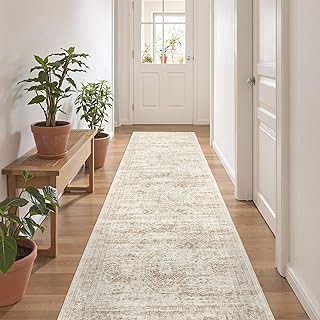
Hallway Washable Runner Rug, 2’6" x 14′
This extra-long beige runner is a practical choice for a continuous hallway or an entry route connecting several rooms. Its washable design, soft feel, and non-slip construction make it especially appealing where outdoor footwear regularly brings in dust and moisture.
2′ x 8′ Neutral Washable Runner Rug
Compact and adaptable, this neutral runner suits shorter hallways, galley kitchens, bedrooms, and nursery-adjacent spaces. The thin, soft profile should sit neatly beneath doors, while stain resistance and washable construction support easy upkeep in everyday family traffic.
Madane 3′ x 10′ Vintage Hallway Runner
The wider 3-by-10-foot format provides better coverage in a generous foyer or broad corridor, and the beige-blue vintage pattern adds character without overwhelming nearby furniture. Its low pile and non-slip backing are well matched to homes where the hallway doubles as a busy gear-drop zone.
3′ x 20′ Long Hallway Runner
For an unusually long passage, this cream-and-beige runner offers coverage that shorter rugs cannot provide. The low-pile, washable, stain-resistant construction is geared toward heavy-use areas, although careful measuring is essential to prevent the generous width or length from crowding door swings.
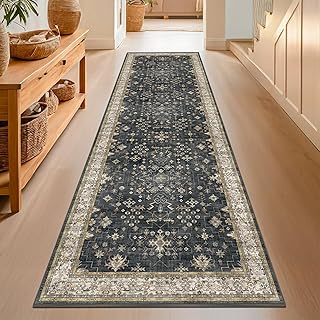
Dark Washable Long Runner, 2’6" x 8′
This ash-toned, multicolor boho design is a strong option for disguising scuffs, leaf fragments, and the occasional muddy footprint near an entryway. The rubber backing adds useful stability, while the 8-foot length works well in a compact hall or alongside a kitchen run.
Frequently Asked Questions
What size hallway runner should I buy?
Measure the clear floor area, not the full wall length. A runner usually looks best with a modest margin of exposed flooring around it, and its ends should not interfere with doors, thresholds, or nearby furniture.
Are washable runners suitable for entryways?
Yes, provided the care instructions match your routine. Washable runners are useful for ordinary dirt and spills, but persistent outdoor moisture should still be removed promptly so the rug and flooring underneath can dry fully.
How do I stop a hallway runner from sliding?
Choose a runner with a purpose-built non-slip backing and use it only on a clean, dry, compatible floor. If movement continues, a rug pad designed for that flooring type can improve grip without adding excessive height.
Is a low-pile runner better for a busy hallway?
Usually. Low-pile rugs are easier to vacuum, less prone to trapping grit, and less likely to catch on shoes or doors. They may feel slightly less plush than a thick pile, but they are generally more practical in a high-traffic transition space.
Final Thoughts
The Hallway Washable Runner Rug, 2’6" x 14′, is the most versatile choice for long, active routes, while the 2′ x 8′ Neutral Washable Runner works well in tighter spaces. For a broader corridor with more decorative presence, the Madane 3′ x 10′ Vintage Hallway Runner is a compelling upgrade.