Key takeaways
- Wood species: Acacia, birch, and other hardwoods offer useful durability, while bamboo is technically a fast-growing grass but can provide excellent stability when laminated well.
- Construction: Look for solid wood, properly joined boards, kiln-dried lumber, and sturdy leg attachments. These details matter more than a thick-looking surface alone.
- Finish: A sealed finish helps resist everyday spills and fingerprints. Unfinished tops offer customization but need prompt sealing before dining use.
- Size and clearance: Allow roughly 24 inches of tabletop width per diner and check that chairs, knees, and walkways have enough room around the table.
- Maintenance: Use coasters, wipe spills promptly, and avoid standing water or harsh cleaners. Minor dents and scratches are normal signs of real wood, not automatic defects.
What's inside
Choosing the best hardwood for a dining table is less straightforward than comparing colors and silhouettes. A table must handle daily meals, damp glasses, dropped utensils, shifting temperatures, and the occasional outdoor-style gathering brought indoors. Wood species, construction, finish, dimensions, and leg design all affect how confidently it will serve your household.
This guide evaluates solid-wood dining tables and table tops with an outdoor-living specialist’s eye: durability, repairability, moisture awareness, practical sizing, and how well each option suits relaxed everyday use. It includes ready-to-use dining tables as well as wood tops for custom projects, so you can match the recommendation to your space and skill level.
As an Amazon Associate we earn from qualifying purchases.




How to Choose a Hardwood For Dining Table (2026)
- Wood species: Acacia, birch, and other hardwoods offer useful durability, while bamboo is technically a fast-growing grass but can provide excellent stability when laminated well.
- Construction: Look for solid wood, properly joined boards, kiln-dried lumber, and sturdy leg attachments. These details matter more than a thick-looking surface alone.
- Finish: A sealed finish helps resist everyday spills and fingerprints. Unfinished tops offer customization but need prompt sealing before dining use.
- Size and clearance: Allow roughly 24 inches of tabletop width per diner and check that chairs, knees, and walkways have enough room around the table.
- Maintenance: Use coasters, wipe spills promptly, and avoid standing water or harsh cleaners. Minor dents and scratches are normal signs of real wood, not automatic defects.
The Best Hardwood For Dining Table (2026)s Reviewed
BAKEVE Bamboo Dining Table
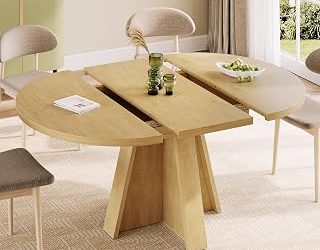
The BAKEVE 47.2-inch table is a compact choice for four to six people, with a walnut-toned surface that suits kitchens, dining rooms, and multipurpose living spaces. Its FSC-certified bamboo construction offers a hardwood-like appearance and good day-to-day resilience, although bamboo should be understood as laminated grass rather than conventional hardwood. The moderate footprint is especially useful for apartments, breakfast areas, and flexible rooms.
Howizz Acacia Table Top
The Howizz 55-by-28-inch acacia top is a strong foundation for a custom dining table, office table, or counter-height project. Its dark walnut stain brings visual warmth, while the 0.7-inch thickness keeps the piece relatively manageable for DIY builders. Because it is a tabletop rather than a complete table, pair it with a well-engineered base and confirm that the support points prevent bowing.
Butcher Block Birch Tabletop
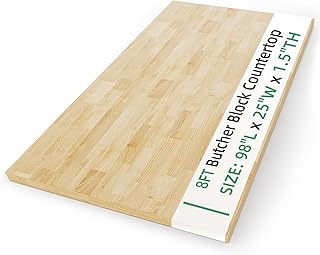
This 8-foot unfinished birch butcher block is the most adaptable option for a large custom dining surface, kitchen island, coffee bar, or shared workspace. At 98 by 25 inches and 1.5 inches thick, it has substantial presence and can be cut to a tailored length. The unfinished surface requires sanding and a suitable food-contact-safe or furniture-grade finish, depending on how you plan to use it.
Pemberly Row Acacia Dining Table
The Pemberly Row 79-by-40-inch table combines kiln-dried acacia with crossed legs and an angular modern profile. Its generous dimensions comfortably support up to six diners while leaving room for serving dishes, and the natural finish highlights the varied grain that makes acacia attractive. The sculptural base is a standout design feature, though buyers should measure chair placement carefully around the leg geometry.
Plank+Beam Classic 72-Inch Dining Table
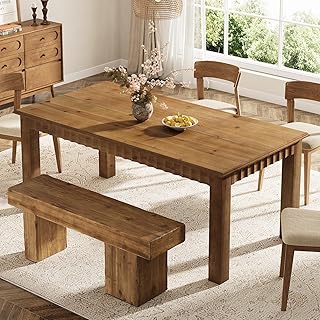
The Plank+Beam Classic offers a practical 72-inch solid-wood surface in a pecan wire-brush finish, making it a versatile fit for farmhouse, transitional, and casual modern interiors. Its non-toxic finishes and straightforward assembly are appealing for households that want a finished table without a complicated setup. The six-foot length gives most families comfortable seating capacity without overwhelming an average dining room.
Frequently Asked Questions
What is the best hardwood species for a dining table?
There is no single winner for every home. Acacia is a particularly practical choice because it is durable, visually distinctive, and often less costly than premium domestic hardwoods. Birch is a good project material, while bamboo can be a responsible, stable alternative when quality construction is used.
Is acacia wood suitable for everyday dining?
Yes. Properly sealed acacia works well for daily meals and generally tolerates normal household wear. Its naturally varied grain can make small marks less conspicuous, but it still benefits from prompt spill cleanup and protection from prolonged moisture.
How thick should a solid wood dining table be?
A finished dining tabletop commonly falls between about three-quarters of an inch and 1.5 inches. Thicker tops look more substantial and can resist flexing, but the base, span, and attachment method are equally important. A thick slab with inadequate support can still warp or sag.
Can an unfinished butcher block be used as a dining table?
Yes, but it should be properly sanded, conditioned, and sealed first. Select a finish suited to dining surfaces, follow its curing instructions, and protect the tabletop from standing water. Unfinished wood is more vulnerable to stains, swelling, and uneven discoloration.
Final Thoughts
For a ready-made family table, the Pemberly Row Acacia Dining Table is the strongest all-around choice for spacious dining, while the Plank+Beam Classic is a practical six-foot option with easy setup. For a custom build, the substantial Butcher Block Birch Tabletop offers the greatest flexibility; choose the BAKEVE Bamboo Dining Table when compact dimensions and a warm walnut look matter most.