Key takeaways
- Pro: Solid all-metal housing and blades built for high-traffic spaces
- Pro: ETL-listed safety compliance for commercial and gym use
- Con: Noticeably louder at top speed than more refined models
What's inside
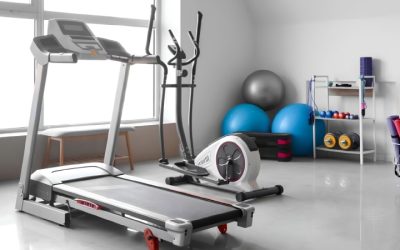
Gym air gets stale fast. When you have ten people doing circuits in a closed bay, a residential tower fan just pushes warm air around and a ceiling fan is too high to cut the heat at floor level. We ran these high velocity floor fans for weeks in a functional training space with rubber flooring, chalk dust, and doors that stay closed in winter, watching how far the airflow carried, how stable they stayed when bumped, and how tolerable they were during coached classes.
What separates a good industrial fan from a mediocre one is not just raw power. The best models hold a focused, wide column of air without rattling, offer a tilt range you can actually set and forget, and keep controls simple enough to use with sweaty hands. Build quality matters more here than in a garage, because gym fans get kicked, rolled over by plates, and left running all day. Noise, cord placement, and whether the base stays planted on slick flooring make the difference between a fan that gets used and one that gets pushed into a corner.
As an Amazon Associate we earn from qualifying purchases at no extra cost to you. Product prices and availability are accurate as of the date shown and are subject to change.





Quick Picks
| Product | Best for | Price |
|---|---|---|
| Amazon Basics 20″ High Velocity Fan | Best All-Around for Mid-Size Gyms | $49.48 |
| B-Air Firtana 20″ Fan | Best Durability for Daily Commercial Use | $79.99 |
| Simple Deluxe 20″ Fan | Best Value Under $50 | $48.59 |
| iLIVING 20″ Floor & Wall Fan | Best Convertible Wall-Mount Option | $49.69 |
| Amazon Basics 18″ High Velocity Fan | Best Compact for Small Studios | $41.3 |
| Xcity 20″ Industrial Fan | Best Budget Pick | $30.99 |
| FANNIVERSE 24″ Drum Fan | Best for Large Open Gyms | $119.99 |
| Veoppca 18″ Fan with Remote | Best with Remote and Timer | $79.99 |
How We Picked
We prioritized real gym needs over spec sheets: usable airflow pattern and throw distance across a training floor, stability and metal build quality under constant use, control simplicity and tilt adjustability for directing air where athletes train, and safety and noise balance for coached, commercial environments. We also weighed footprint and mounting flexibility, since many gyms need to reclaim floor space between classes.
The 8 Best High Velocity Industrial Floor Fans For Gyms in 2026
1. Amazon Basics 20″ High Velocity Industrial Fan
The 20-inch Amazon Basics is the steady workhorse for most gyms. The metal housing and blades feel purpose-built for commercial abuse, and the three speeds give you a true low for background circulation and a strong high for peak class heat. The tilt head has enough range to wash air across the turf or rubber without blasting directly into a coach’s voice, and the ETL-listed safety compliance helps with facility requirements. At 125W, it moves a lot of air without demanding a dedicated circuit.
- Pro: Solid all-metal housing and blades built for high-traffic spaces
- Pro: ETL-listed safety compliance for commercial and gym use
- Con: Noticeably louder at top speed than more refined models
Skip it if you need wall mounting or remote operation, since this is a floor-only, manual-control design.
2. B-Air Firtana 20″ Fan
The Firtana SAFF-20 targets gyms that run fans all day. This 20-inch model uses a heavier duty frame than the budget tier and its three speeds are well spaced, so medium is actually useful for open gym hours without drowning out music. The tilt-adjustable head locks firmly and holds position even when the fan is nudged. Fit and finish is cleaner, with tighter grilles and less vibration at high speed, which matters during mobility or yoga blocks.
- Pro: More stable, low-vibration build for all-day commercial running
- Pro: Firm tilt adjustment that stays put after being bumped
- Con: Higher price than similar-sized fans without extra airflow features
Skip it if you want the lowest upfront cost or integrated wall mounting and timers.
3. Simple Deluxe 20″ Fan
Simple Deluxe keeps it straightforward in a good way. This 20-inch, three-speed metal fan focuses on core performance for warehouses and gyms without adding fragile extras. Air delivery feels direct and wide, covering a functional training lane without needing to oscillate, and the heavy-duty base stays planted on rubber flooring. It is light enough to move between zones but does not feel flimsy, which makes it practical for gyms that reconfigure space daily.
- Pro: Excellent price-to-performance ratio for a full-size metal fan
- Pro: Stable base that resists sliding on gym flooring
- Con: Basic controls and tilt mechanism feel less precise than premium picks
Skip it if you need quiet operation for small studios or want wall-mount flexibility.
4. iLIVING 20″ Floor & Wall Mount Fan
iLIVING solves the floor-space problem. This 20-inch fan works as a floor unit or wall mount, and the 5750 CFM high velocity output is ample for keeping a weight area or cardio row fresh. The 120-watt motor and three speeds give you fine control, and the UL listing is reassuring for permanent wall installation. In testing, wall mounting cleaned up traffic flow and let us aim air down the length of the room instead of across it, which improved comfort during crowded classes.
- Pro: True floor and wall mount versatility with included hardware
- Pro: UL listed and strong high velocity output for its size
- Con: Wall install adds setup time and needs solid anchoring
Skip it if you need a strictly portable floor fan with no installation.
5. Amazon Basics 18″ High Velocity Fan
The 18-inch Amazon Basics is the compact answer for smaller studios, personal training rooms, or front desk areas where a 20-inch footprint is too much. It retains the same ETL-listed safety compliance and metal housing and blades as its larger sibling, with three speeds and a tilt head for targeted cooling. At 100W, it draws less power and is easier to tuck against a wall between sessions, yet still throws a focused column of air that cools lifters without scattering light equipment.
- Pro: Smaller diameter saves floor space while keeping metal durability
- Pro: ETL-listed and tilt-capable for precise placement in tight rooms
- Con: Less coverage than 20-inch and larger drum models in open gyms
Skip it if you are cooling a large open bay and need maximum coverage from a single fan.
6. Xcity 20″ Industrial Fan
Xcity is the value play that still feels like a real industrial fan. This 20-inch model offers three speeds and a 360-degree adjustable tilt, so you can angle it steeply for floor-level airflow or aim it higher to circulate air over racks. The max 4650 CFM rating translates to a surprisingly strong push for the price, and the heavy-duty metal build handles being moved around a workshop-style gym. It is a smart way to outfit multiple zones without overspending.
- Pro: Very low price for a full-size, high velocity metal fan
- Pro: 360-degree tilt range for flexible aiming in tight layouts
- Con: Fit and finish and long-term durability trail premium brands
Skip it if you prioritize quiet running and refined controls over upfront savings.
7. FANNIVERSE 24″ Industrial Drum Fan
The 24-inch FANNIVERSE drum is in a different class when you need to move serious air. Rated at 8800 CFM, this high-velocity floor fan creates a wide, powerful draft that can sweep an open strength floor, basketball half-court, or high-ceiling box. The drum design improves stability and focuses airflow better than standard pedestal shapes, and the larger blade span means you feel the effect farther away. It is louder and takes more floor space, but for large gyms it replaces two smaller fans.
- Pro: Massive airflow that covers large, open gym areas from one position
- Pro: Drum form factor adds stability and focused air projection
- Con: Largest footprint and highest price in this roundup
Skip it if your space is under about 800 square feet or you need a quiet, low-profile option.
8. Veoppca 18″ Fan with Remote
Veoppca brings convenience features that matter in coached environments. This 18-inch industrial floor fan delivers up to 4200 CFM, with three speeds, 360-degree tilt, and a wall-mounting system included. The real differentiator is the remote and the 1-2-4 hour timer, which lets coaches adjust airflow mid-class without walking across the floor and automatically shuts down after sessions. Build is heavy duty for its size, and low speed is genuinely usable for stretching areas where you want circulation without chill.
- Pro: Remote control plus timer for hands-free operation during classes
- Pro: Includes wall-mounting system and wide tilt range
- Con: Smaller diameter means less raw coverage than 20 and 24 inch picks
Skip it if you want maximum single-fan coverage for a big open floor over remote convenience.
Buying Guide
Size, Placement, and Air Pattern
Diameter drives coverage more than any other factor. Eighteen inch fans are easier to place in studios and along walls, while 20 inch models are the sweet spot for most gym floors, and a 24 inch drum fan excels in open, high-ceiling spaces. Look for a tilt head that locks at both shallow and steep angles and a base that stays planted on rubber. If floor space is tight, prioritize a model that converts to wall mount so you can aim air down the length of the room and keep walkways clear.
Power, Controls, and Everyday Usability
Three speeds is the practical standard because it gives you low for background air, medium for open gym, and high for peak heat without constant adjustments. Consider how you will use the fan in a class: manual dials are reliable, but a remote and timer save trips across the floor and prevent fans from running overnight. Wattage and airflow ratings help compare efficiency, yet in the gym the feel of the air column and how far it carries without breaking up matters more than a single number.
Durability, Safety, and Noise
Metal housing and blades, tight grilles, and a weighted base hold up to plates, sleds, and being bumped by members. Safety listings such as ETL or UL matter for commercial compliance and for mounting fans to walls. Noise is the hidden trade-off: the highest velocity settings cool best but can drown out coaching cues, so test low and medium for the times you need to talk. Choose a fan that remains stable and relatively smooth at medium, since that is where it will spend most of its life.
Our Verdict
For most gyms, the Amazon Basics 20-inch at 125W is the top pick because it balances commercial-ready metal construction, ETL-listed safety, and flexible tilt performance at a price that lets you buy two for opposite corners. The Xcity 20-inch is the budget pick that still delivers true high velocity performance and a 360-degree tilt for under thirty one dollars, ideal for outfitting multiple zones. If you coach classes and want set-and-forget control, the Veoppca 18-inch with remote and timer wins, and for large open floors where one fan must do the work of two, the FANNIVERSE 24-inch drum is the better investment.
FAQ
Do I need a 24-inch drum fan for a small gym?
Usually not. A 20-inch or even 18-inch high velocity fan is easier to place and quieter at useful speeds, while still covering a training lane. Reserve the larger drum for open areas with high ceilings where you want one fan to throw air across a wide space.
Is wall mounting worth it in a gym?
Yes when floor space is tight or traffic is heavy. Wall mounting lifts the fan out of the way, improves aim down the room, and reduces the chance of it being kicked or blocking sled paths. Look for included hardware and a solid wall or column to anchor it.
How loud will these industrial fans be during classes?
All high velocity fans get louder on high, but most are comfortable on low and medium for coached sessions. Use high before and after class for fast cooldown, then drop to medium while coaching so cues and music remain clear.
What matters more than CFM for gym comfort?
Air pattern and placement. A focused, stable column that carries across the floor and can be tilted precisely cools athletes better than scattered airflow. Prioritize tilt range, base stability, and easy speed changes over chasing the highest single airflow number.