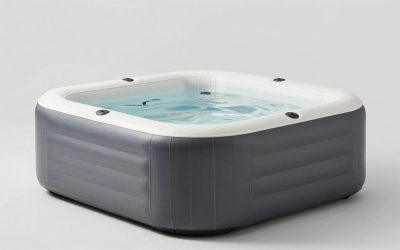
Our Top Picks
 Bestway SaluSpa Cancun Energy-Efficient 2-4 Person Inflatable HotEnergy Efficient 2.00 x 0 x 0 inchesCheck on Amazon
 INTEX 28433EP PureSpa Bubble Deluxe Spa Set: Includes4 Person71 x 71 x 28 inches111.32 PoundsCheck on Amazon
 Coleman SaluSpa Miami Energy-Efficient AirJet 2-4 Person InflatableEnergy Efficient 2.071 x 71 x 26 inches0 PoundsCheck on Amazon
The best hot tubs are the ones that fit your household and yard, not simply the ones with the most jets. For a compact space or a modest budget, consider an inflatable model; for frequent year-round use, a four- to six-person acrylic spa is usually a better balance of insulation, comfort, and maintenance. Before choosing, check the filled weight, electrical supply, access route, and clearance needed to open the cover and reach service panels.
Best hot tubs by situation
| Your situation | Best fit | Why it fits | Trade-off to check |
|---|---|---|---|
| Limited budget or occasional use | Inflatable hot tub, usually sized for 2–4 adults | Lower purchase cost and no permanent shell installation | Less insulation, a softer seating surface, and greater sensitivity to cold weather |
| Two people using it most evenings | Compact, hard-sided 2–3-person spa | Less water to heat and maintain than a large family model | Check that the seats let both users recline without crowding |
| Family use or regular guests | Four- to six-person acrylic spa | More durable construction and a wider range of seating and jet layouts | “Six-person” often means six upright seats, not six adults stretching out |
| Cold climate or year-round use | Well-insulated hard-sided spa with a fitted cover | Better heat retention can reduce the work needed to maintain temperature | Higher initial cost and more demanding delivery and electrical setup |
| Renting or uncertain plans | Portable inflatable model, with landlord approval | Can be dismantled and moved more easily than a permanent spa | It still needs a suitable, load-bearing surface, safe power, and somewhere to drain |
Compare the main hot tub types
Inflatable tubs: flexible, but not effortless
Inflatable tubs are often the least expensive option, with general market prices commonly in the hundreds of dollars. They can suit occasional soaking, but the pump and heater typically work harder to hold temperature than those in a well-insulated hard-sided spa. In a cold or windy location, heating time and energy use can rise substantially. Confirm the manufacturer’s temperature and weather limits before planning winter use.
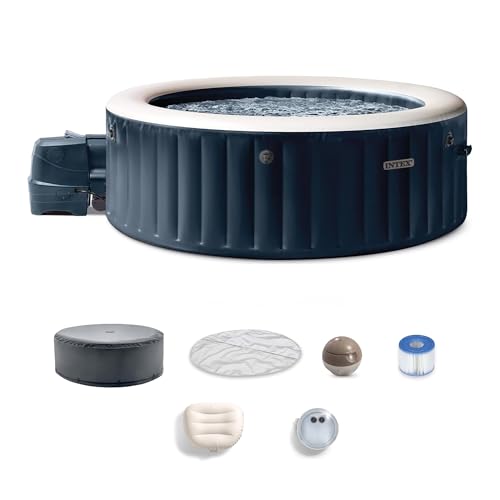
INTEX PureSpa 6 Person Inflatable Hot Tub with Energy-Efficient Spa Cover
Picked as a relevant option in this category.
View on AmazonBestway SaluSpa Cancun Energy-Efficient 2-4 Person Inflatable Hot Tub
Picked as a relevant option in this category.
View on AmazonINTEX 28433EP PureSpa Bubble Deluxe Spa Set: Includes Energy Efficient Spa Cover – 120 Bubble Jets – Octagonal Design – 4 Person Capacity – 71" x 71" x 28"
Chosen because it specifies 120 Bubble Jets and Octagonal Design.
View on AmazonColeman SaluSpa Miami Energy-Efficient AirJet 2-4 Person Inflatable Hot Tub
Picked as a relevant option in this category.
View on AmazonInflatable does not mean “put it anywhere.” A filled tub can weigh well over a ton before occupants are added. Place it on a level surface that can safely support the load, and keep it away from sharp edges, debris, and standing water around electrical equipment.
Acrylic spas: a better fit for regular use
Acrylic spas usually have molded seats, more varied jet configurations, and better insulation options. They cost more, and delivery may require a crane or a clear route through a wide gate. Their advertised capacity is a rough guide: test the seat layout on a showroom model if possible, or study a dimensioned seating diagram rather than relying on the number alone.
Rotomolded and plug-in spas: a middle ground
Rotomolded plastic shells are generally lighter and less elaborate than acrylic models. Some plug-in designs avoid a dedicated high-voltage circuit, but their heater and jet performance may be more limited. Check the exact electrical requirements; “plug-in” does not remove the need for a correctly grounded, protected outlet or for compliance with local electrical rules.
What to check before you buy
Seats and jets: match the layout to the people using it
Count the seats you will actually use, not just the stated maximum. Loungers can feel comfortable for one person but take up space that could otherwise provide another upright seat. A mix of seat depths is useful for households with different heights.
Jet count is not a reliable measure of massage quality. Look for adjustable jets, a range of jet sizes, and controls that let you redirect flow. Large rotary jets provide a different sensation from smaller directional jets; more jets can also mean more plumbing and pump demand. If relief from a particular ache is the goal, ask a clinician whether hot-water immersion is appropriate rather than assuming a jet pattern will treat it.
Water care: understand the daily routine
Traditional chlorine and bromine systems require regular testing and careful dosing. Saltwater systems still use sanitizer—the salt cell produces chlorine—and still need monitoring and occasional adjustment. Mineral or ozone components may support water care but do not necessarily replace sanitizer. Ask how often filters need cleaning or replacement, what the system costs to maintain, and which chemicals are compatible with the shell and equipment.
Energy use: insulation and habits matter
There is no dependable single energy-cost figure for every hot tub: climate, electricity rates, temperature setting, use, cover condition, and insulation all matter. Ask the manufacturer for energy-use data under a stated test method, and compare models on the same basis. A tight, well-insulated cover, wind protection, and lowering the set temperature when the tub is unused can help limit heat loss. A large tub kept hot all winter will generally demand more energy than a smaller one used occasionally.
Plan the footprint, access, and installation
Measure the tub’s actual outer dimensions, then add practical working space. As a planning allowance—not a universal manufacturer rule—reserve about 18–24 inches on a service-panel side, 12–18 inches on other accessible sides, and enough room to lift the cover fully. A cover lifter can need additional clearance behind or beside the spa; check its drawing before placing the tub near a fence or wall.
| Typical category | Approximate footprint | Planning area with access | Key installation check |
|---|---|---|---|
| Compact 2–3-person spa | 5 × 5 ft | About 8 × 8 ft | Allow a clear route for delivery and service access |
| Four-person spa | 6 × 6 ft | About 9 × 9 ft | Verify the base is level and rated for the filled load |
| Five- to six-person spa | 7 × 7 ft | About 10 × 10 ft | Check cover-lifter swing and electrical-panel access |
These are working estimates, not product specifications. A 10 × 12 ft patio can often accommodate a roughly 7 × 7 ft spa plus access on three sides, but may feel cramped if the cover needs a full-width swing or the approach path runs through the remaining space.
Before ordering, measure the narrowest gate, path, doorway, and overhead obstruction on the delivery route. Compare those measurements with the spa’s shipping dimensions—not just its installed footprint—and ask the dealer how it will be moved. For a deck or balcony, have a qualified professional assess the structure: water alone weighs about 8.34 pounds per US gallon, before the tub and occupants are counted. Electrical work, disconnect placement, drainage, barriers, and permits vary by location, so confirm local requirements with the relevant professionals and authorities.
Make the choice
Choose an inflatable tub if portability and a lower upfront cost outweigh insulation and long-term durability. Choose a compact hard-sided spa if two or three people will use it often. For a household that wants year-round soaking, prioritize a well-insulated four- to six-person model with a cover that seals properly, accessible service panels, and a seating plan that fits the actual users. In every case, measure the delivery route and operating space first; those checks can prevent an appealing model from becoming an expensive installation problem.