Key takeaways
- Pool coverage: Confirm that the robot is designed for your pool size and can handle the floor, walls, steps, coves, or waterline areas you want cleaned.
- Runtime and charging: Longer battery life is valuable for large pools, while auto-docking or return-to-charge features reduce the need to retrieve the cleaner manually.
- Navigation: Smart mapping, path planning, or vision-based systems can limit missed patches and repeated passes, particularly in irregularly shaped pools.
- Filtration: Choose filtration suited to your debris. Fine filters help with silt and pollen, while a generously sized basket is more convenient when leaves are common.
- Surface compatibility: Wall-climbing performance depends on the pool’s finish, slope, and waterline. Check manufacturer guidance before expecting reliable cleaning on every surface.
What's inside
An inground pool vacuum robot can turn a tedious weekend chore into a largely hands-off maintenance routine, but choosing one is not as simple as comparing suction figures. Pool shape, wall angle, waterline buildup, charging habits, and filter capacity all affect whether a cleaner performs well in everyday conditions.
This guide looks at the most useful features for outdoor living: dependable floor coverage, wall and waterline cleaning, navigation, runtime, docking, filtration, and app controls. The recommendations below are designed to help you match a robot to your pool rather than buy the most heavily advertised specification.
As an Amazon Associate we earn from qualifying purchases at no extra cost to you. Product prices and availability are accurate as of the date shown and are subject to change.



🛒 Best Price Today on Amazon
Prime members get fast, free shipping on everything above, plus member-only deals. New members get a 30-day free trial — cancel anytime.
How to Choose an Inground Pool Vacuum Robot (2026)
- Pool coverage: Confirm that the robot is designed for your pool size and can handle the floor, walls, steps, coves, or waterline areas you want cleaned.
- Runtime and charging: Longer battery life is valuable for large pools, while auto-docking or return-to-charge features reduce the need to retrieve the cleaner manually.
- Navigation: Smart mapping, path planning, or vision-based systems can limit missed patches and repeated passes, particularly in irregularly shaped pools.
- Filtration: Choose filtration suited to your debris. Fine filters help with silt and pollen, while a generously sized basket is more convenient when leaves are common.
- Surface compatibility: Wall-climbing performance depends on the pool’s finish, slope, and waterline. Check manufacturer guidance before expecting reliable cleaning on every surface.
The Best Inground Pool Vacuum Robots (2026) Reviewed
Best for Broad Cordless Coverage
The Cordless Pool Cleaner Robot for Wall & Waterline Cleaning is a practical option for owners who want floor, wall, and waterline coverage without managing a cable. Its advertised 120-minute runtime and IPX8 waterproofing make it appealing for routine maintenance, especially in pools up to 3,200 square feet.
DREAME Z1 PRO
The DREAME Z1 PRO Robotic Pool Cleaner stands out for its combination of strong advertised suction, smart navigation mapping, and a claimed 180- to 300-minute runtime. It is a compelling choice for larger or more demanding pools where extended cleaning sessions and wall-to-waterline coverage are priorities.
U8 Cordless Robotic Pool Cleaner
The U8 is aimed at homeowners who want automatic wall climbing without hand-scrubbing after every cycle. Auto-docking, a 150-minute runtime, and stated support for inground pools up to 2,600 square feet give it a balanced feature set for medium-sized backyard pools.
Beatbot AquaSense 2 Ultra
The Beatbot AquaSense 2 Ultra is the most feature-rich pick in this group, combining AI-camera mapping, five-in-one cleaning, app control, and smart surface parking. It is particularly interesting for complex pools, though buyers should review the operating requirements and pool-surface compatibility before investing in its advanced system.
WYBOT S2 Solar Vision
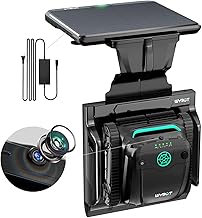
The WYBOT S2 Solar Vision uses an AI vision algorithm, scheduled cleaning, dual charging, and auto-return charging to reduce routine intervention. Its solar-assisted approach may suit outdoor spaces with favorable sunlight, while 3D adsorption is intended to support contact with pool surfaces during cleaning.
Frequently Asked Questions
Are cordless pool robots suitable for inground pools?
Yes, many cordless models are designed specifically for inground pools. Their suitability depends on pool size, surface finish, slope, wall geometry, and whether the robot is rated for waterline or step cleaning.
How often should a pool vacuum robot run?
That depends on debris levels and weather. A schedule of several cleaning cycles per week is often useful during leafy or windy periods, while lighter-use pools may need less frequent cleaning. Empty the filter after heavy debris loads.
Can a robotic pool cleaner replace manual pool maintenance?
No. A robot can remove settled debris and scrub selected surfaces, but it does not replace water testing, chemical balancing, skimmer care, brushing neglected areas, or routine inspection of the pool equipment.
Should the robot stay in the pool between cleaning cycles?
Follow the manufacturer’s instructions. In general, removing the robot after a cycle, rinsing its filter, and storing it in a shaded, dry location can help protect the battery, plastics, and seals from unnecessary exposure.
Final Thoughts
For broad coverage, the Cordless Pool Cleaner Robot is a sensible starting point; the DREAME Z1 PRO is better suited to larger pools and extended sessions, while the Beatbot AquaSense 2 Ultra is the standout for complex pools and advanced automation. Compare those strengths with your pool’s surface, shape, and debris load before choosing.