Key takeaways
- Zoned lumbar support: Look for firmer coils or foam through the middle third. Like a doubled joist under a hot tub pad, reinforcement belongs where the load concentrates — your pelvis and lower back, not your shoulders.
- Coil independence: Individually pocketed springs contour to each sleeper and stop your partner’s 2 a.m. roll from tilting your spine. On a king, motion isolation is a back issue, not a comfort luxury.
- Firmness matched to position: Side sleepers usually need medium to let the hip settle; back and stomach sleepers do better on medium-firm to firm so the pelvis stays level. Too soft is the classic cause of morning stiffness.
- Edge and perimeter reinforcement: Weak edges make sitting to put on shoes a spinal event and shorten usable sleep surface. Reinforced perimeters keep the whole 76 inches load-bearing.
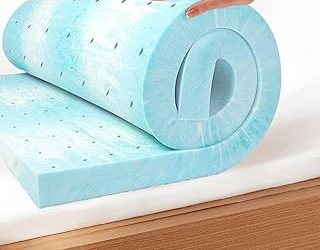
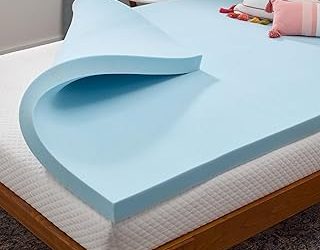
- Heat and airflow: Overheating fragments sleep, and fragmented sleep amplifies pain perception. Gel-infused foams, breathable covers, and open coil layers vent heat instead of banking it.
What's inside
I spend most of my working life thinking about spans, loads, and airflow — decking joists that can’t sag between supports, pergola beams sized for real weight, screened porches that stay breathable in August. Lumbar pain sends people to the same place a poorly framed deck does: something in the middle gave way. A king mattress is the largest unsupported surface in your house, and across 76 inches of width, weak edge structure and a soft midsection show up in your lower back long before you notice them with your eyes.
This guide applies that structural mindset to king mattresses built for back pain relief in 2026. I’ve focused on hybrids and zoned foams that hold a flat plane under two adult sleepers, resist the trench that forms down the center, and manage heat the way a well-vented outdoor room does — by moving air rather than trapping it. Below you’ll find the models worth shortlisting, plus the specs that actually matter when your spine is the client.
As an Amazon Associate we earn from qualifying purchases.


How to Choose a King Mattress For Bad Back (2026)
- Zoned lumbar support: Look for firmer coils or foam through the middle third. Like a doubled joist under a hot tub pad, reinforcement belongs where the load concentrates — your pelvis and lower back, not your shoulders.
- Coil independence: Individually pocketed springs contour to each sleeper and stop your partner’s 2 a.m. roll from tilting your spine. On a king, motion isolation is a back issue, not a comfort luxury.
- Firmness matched to position: Side sleepers usually need medium to let the hip settle; back and stomach sleepers do better on medium-firm to firm so the pelvis stays level. Too soft is the classic cause of morning stiffness.
- Edge and perimeter reinforcement: Weak edges make sitting to put on shoes a spinal event and shorten usable sleep surface. Reinforced perimeters keep the whole 76 inches load-bearing.
- Heat and airflow: Overheating fragments sleep, and fragmented sleep amplifies pain perception. Gel-infused foams, breathable covers, and open coil layers vent heat instead of banking it.
The Best King Mattress For Bad Back (2026)s Reviewed
Sweetnight CoolNest 14 Inch King Cooling Memory Foam
The 5-zone ergonomic layout is the standout here, easing pressure at the shoulders while keeping the lumbar section noticeably more supportive than a uniform foam slab. Its medium feel and CertiPUR-US certified build make it the pick for side sleepers who want contouring without the swampy heat retention older memory foam is known for.
BedStory 14 Inch Hybrid for Back Pain & Heavy People
This is the load-rated option: pocket springs plus zoned lumbar reinforcement designed to resist the sag that develops when combined sleeper weight climbs. If one or both of you is heavier, or you’ve already worn a trench into your current king, this build is the most likely to stay flat over its 10-year warranty period.
BedStory 14 Inch Medium Firm Hybrid
The most broadly recommendable mattress on this list — medium-firm sits in the sweet spot for combination sleepers and delivers a level pelvis without punishing the shoulders. Made in the USA with a 365-night trial, so you get a full seasonal cycle to judge whether your back actually agrees.
BedStory Firm 14 Inch Hybrid
Choose this one if you sleep primarily on your back or stomach and your pain worsens on plush surfaces. The zoned lumbar support keeps the lower spine from hyperextending, though dedicated side sleepers should step down to the medium-firm version instead.
LETMOON Luxury King 12 Inch Hotel-Level Hybrid
Gel memory foam over 7-zone pocket springs delivers hotel-style plushness with more spinal discipline than that description usually implies, and it targets hip pain as directly as back pain. The fiberglass-free construction is a genuine peace-of-mind feature, and the 12-inch profile suits lower bed frames and standard sheet depths.
Frequently Asked Questions
Is a firm mattress always better for back pain?
No. Research and clinical guidance both favor medium-firm for most people with chronic low back pain. Too firm leaves gaps under the lumbar curve; too soft lets the pelvis drop. Neutral alignment is the goal, not maximum hardness.
Do hybrids or all-foam mattresses help more?
Hybrids generally hold their shape better under two-person loads and breathe more freely, which is why most picks here are hybrids. Zoned all-foam models like the Sweetnight CoolNest still work well for lighter sleepers and side sleepers who prefer deeper contouring.
Does my foundation matter?
Considerably. A slat base with gaps wider than about three inches, or a sagging box spring, will telegraph straight through the mattress. Support your mattress the way you’d support decking — consistent spacing, no unsupported spans, center rail included on a king.
How long before my back feels different?
Give it two to four weeks. Your body needs time to adapt, and a brief uptick in stiffness early on is common. That’s exactly why 365-night trials are worth prioritizing over a two-week return window.
Final Thoughts
For most couples, the BedStory 14 Inch Medium Firm Hybrid is the safest structural bet — level support, generous trial period, and a firmness that suits mixed sleeping styles. Heavier sleepers or anyone replacing a sagging king should go with the BedStory Hybrid built for back pain and heavy people, while hot sleepers who want softer contouring will be better served by the Sweetnight CoolNest.