Key takeaways
- Color match: Choose the closest shade available, and test it in a hidden area first; dyed leather rarely looks identical to the color shown on a screen.
- Leather type: Confirm that the product suits finished leather, corrected-grain leather, bonded leather, or vinyl before applying it to your sofa.
- Finish flexibility: A good formula should remain supple after curing rather than forming a brittle film that cracks on cushions and armrests.
- Application method: Balms work well for broad, faded areas, while liquid dyes and included daubers offer more control for edges, seams, and isolated scratches.
- Surface preparation: Clean away body oils, polish, and dust first. A dye cannot bond reliably to a greasy or heavily conditioned surface.
What's inside
Leather sofas take a beating much like outdoor gear: sunlight fades the surface, grit works into creases, and temperature swings can leave once-rich upholstery looking tired. The right dye or recoloring balm can refresh a worn sofa, but choosing poorly may produce a patchy finish, stiff leather, or a color that looks different once it dries.
This guide focuses on practical restoration for leather and vinyl furniture, with an emphasis on color matching, flexibility, coverage, and ease of application. Whether you are reviving a dark brown couch, touching up a black recliner, or repairing a few sun-faded areas, these options offer useful starting points for a careful DIY project.
As an Amazon Associate we earn from qualifying purchases.


How to Choose a/an Leather Sofa Dye (2026)
- Color match: Choose the closest shade available, and test it in a hidden area first; dyed leather rarely looks identical to the color shown on a screen.
- Leather type: Confirm that the product suits finished leather, corrected-grain leather, bonded leather, or vinyl before applying it to your sofa.
- Finish flexibility: A good formula should remain supple after curing rather than forming a brittle film that cracks on cushions and armrests.
- Application method: Balms work well for broad, faded areas, while liquid dyes and included daubers offer more control for edges, seams, and isolated scratches.
- Surface preparation: Clean away body oils, polish, and dust first. A dye cannot bond reliably to a greasy or heavily conditioned surface.
The Best Leather Sofa Dye (2026)s Reviewed
Leather Recoloring Balm
This Leather Recoloring Balm is a practical choice for sofas that have lost color across larger sections rather than suffering from one deep gouge. Its conditioner-style format is especially appealing for dry, weathered upholstery, though users should apply thin coats and allow each layer to settle before judging the final shade.
Furniture Clinic Medium Brown Leather Dye
Furniture Clinic’s Medium Brown Leather Dye is aimed squarely at furniture, couches, and car seats, making it a sensible pick when a sofa needs a more substantial color restoration than a small touch-up. Medium brown can vary dramatically between manufacturers, so a concealed test patch is essential before treating an entire cushion.
Angelus Leather Dye in Jet Black
Angelus Leather Dye in Jet Black is a well-known, versatile option for projects that extend beyond sofas, including boots, bags, crafts, and furniture. The included dauber makes detailed application convenient, but black dye can highlight uneven preparation, so clean and lightly abrade the surface only as directed by the product instructions.
Dark Brown Leather Repair Kit
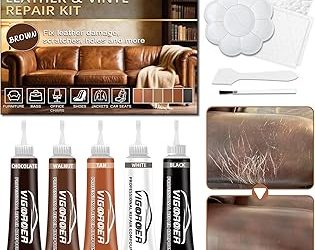
This Dark Brown Leather Repair Kit combines recoloring with a repair-oriented approach for scratched, faded, or aged leather and vinyl. It suits households where the sofa is only one part of the project—boots, car seats, and other furniture may also benefit—but matching the existing brown remains the key to a natural-looking result.
Dark Brown Leather Recoloring Balm
The Dark Brown Leather Recoloring Balm is designed for visible wear on couches, car seats, shoes, and furniture. Its balm format can make gradual blending easier than a fast-drying liquid, particularly along broad sun-faded panels, but it is best treated as a color refresher rather than a substitute for repairing torn or structurally damaged leather.
Frequently Asked Questions
Can leather sofa dye be used on vinyl?
Some products are formulated for both leather and vinyl, while others are intended only for absorbent or finished leather. Check the label carefully and test a hidden section, since vinyl can respond differently to cleaners, dyes, and conditioners.
Should I clean a sofa before applying dye?
Yes. Remove dust, grime, body oils, and old product residue with a cleaner suitable for the upholstery. Let the surface dry fully before testing the dye, because moisture and residue can interfere with adhesion and change the color.
Will leather dye cover scratches and cracks?
Dye can disguise shallow scuffs and restore color around worn areas, but it will not rebuild missing material or close a split seam. Deep cracks, peeling finishes, and tears may require a compatible filler or professional upholstery repair before recoloring.
How can I avoid a blotchy finish?
Apply several light, even coats instead of one heavy layer. Work systematically across panels, keep the applicator lightly loaded, and allow adequate drying time between coats. Always assess the result in natural light before adding more product.
Final Thoughts
For broad fading and a conditioned feel, the Leather Recoloring Balm is a strong starting point; Furniture Clinic Medium Brown Leather Dye is better suited to a targeted furniture restoration in a common brown shade. For black leather or mixed craft and furniture projects, Angelus Jet Black offers useful application control, provided the surface is prepared carefully.