Key takeaways
- Thickness vs. frame: A 6-inch profile is designed for platform slats, bunk rails, and trundles where a taller mattress would break the guardrail safety margin. Reach for 8 inches or more only if you’re on a low frame or the sleeper is over roughly 180 pounds and needs deeper compression before hitting the base.
- Foam versus hybrid: All-foam runs quieter and cheaper; a pocketed-coil hybrid moves air through the core, which matters in a room without steady climate control. If the bed lives in a bunkhouse, cabin loft, or anywhere with seasonal damp, coils are worth the small premium.
- Certification, not marketing: CertiPUR-US covers foam emissions and content; OEKO-TEX covers the cover textiles. “Fiberglass free” is the third box to tick, since fiberglass-based fire barriers become a real cleanup problem if a cover ever tears.
- Cover serviceability: Removable, washable covers earn their value in guest quarters and anywhere near a pool, patio door, or dog. A sealed cover means spot-cleaning only, and spot-cleaning rarely wins.
- Edge support and motion isolation: If the mattress doubles as daytime seating, or two people share it, look for reinforced perimeters and individually wrapped springs. On a single-sleeper bunk, neither factor is worth paying extra for.
What's inside
Budget mattress shopping has a specific frustration built into it: the sub-$250 tier is crowded with near-identical listings, and the differences that actually matter — foam density, cover breathability, whether the edges hold up when you sit down to lace your boots — are buried three scrolls deep in the specs. Spend a weekend outfitting a bunkhouse, a converted garage, a screened sleeping porch, or a guest room over the garage and you learn fast that “cheap” and “sleeps well” are not mutually exclusive, but the overlap is narrower than the search results suggest.
This guide comes from an outdoor-living perspective, which means the criteria skew toward mattresses that tolerate humidity swings, uneven airflow, occasional temperature extremes, and beds that sit empty for weeks between guests. Below are six inexpensive bed-in-a-box options worth a look in 2026, with notes on where each one earns its keep, what to check before you commit, and how to match thickness and support type to the room you’re actually furnishing.
As an Amazon Associate we earn from qualifying purchases.



How to Choose a Mattress Inexpensive (2026)
- Thickness vs. frame: A 6-inch profile is designed for platform slats, bunk rails, and trundles where a taller mattress would break the guardrail safety margin. Reach for 8 inches or more only if you’re on a low frame or the sleeper is over roughly 180 pounds and needs deeper compression before hitting the base.
- Foam versus hybrid: All-foam runs quieter and cheaper; a pocketed-coil hybrid moves air through the core, which matters in a room without steady climate control. If the bed lives in a bunkhouse, cabin loft, or anywhere with seasonal damp, coils are worth the small premium.
- Certification, not marketing: CertiPUR-US covers foam emissions and content; OEKO-TEX covers the cover textiles. “Fiberglass free” is the third box to tick, since fiberglass-based fire barriers become a real cleanup problem if a cover ever tears.
- Cover serviceability: Removable, washable covers earn their value in guest quarters and anywhere near a pool, patio door, or dog. A sealed cover means spot-cleaning only, and spot-cleaning rarely wins.
- Edge support and motion isolation: If the mattress doubles as daytime seating, or two people share it, look for reinforced perimeters and individually wrapped springs. On a single-sleeper bunk, neither factor is worth paying extra for.
The Best Mattress Inexpensive (2026)s Reviewed
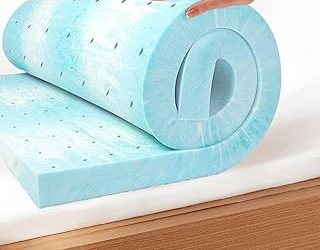
Best Price Mattress 6 Inch Full, Green Tea Memory Foam
A straightforward full-size foam slab that hits the lowest realistic entry point for a real mattress, and the 6-inch profile suits bunk rails and platform slats without raising the sleep surface awkwardly. Best suited to lighter sleepers or intermittent guest use rather than a nightly primary bed.
Zinus 6 Inch Full Green Tea Memory Foam
Zinus has the most consistent quality control in this price bracket, and the dual CertiPUR-US and OEKO-TEX certification covers both the foam and the cover fabric — a distinction most competitors skip. The medium-firm response holds up better than the thickness suggests, though it still reads as a secondary-room mattress.
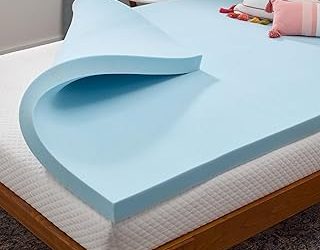
EGOHOME 8 Inch Full Memory Foam, Green Tea Gel
The extra two inches of loft and the gel-infused comfort layer make this the pick for a sleeping porch or any room that runs warm, where a thin foam mattress would trap heat against the sleeper. Fiberglass-free construction and full CertiPUR-US certification make it the most confident buy of the all-foam group.
Zinus 6 Inch Twin Foam and Spring Hybrid
Springs inside a 6-inch twin is an unusual combination, and it solves the airflow problem that plagues thin foam in humid or unconditioned spaces. This is the bunkhouse and cabin-loft answer: breathable, durable, and low enough to clear guardrails safely.
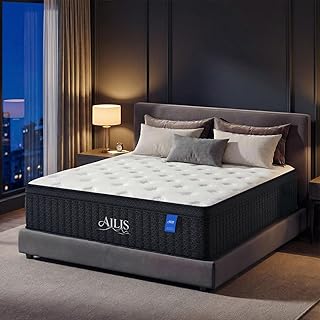
Ailis Queen 12 Inch Hybrid
The only genuine primary-bedroom candidate here, with upgraded pocketed coils that isolate movement well enough for two sleepers and a reinforced perimeter that survives being sat on nightly. If the budget stretches past the bare minimum and the bed sees daily use, start here.
Frequently Asked Questions
Is a 6-inch mattress thick enough for an adult?
For occasional guest use or a lighter-framed sleeper, yes. For nightly use by an adult over roughly 180 pounds, 8 to 12 inches gives the compression depth needed to avoid bottoming out against the slats.
Can these mattresses go in a three-season room or screened porch?
Only with real airflow underneath and protection from direct moisture. A slatted frame plus a breathable protector helps; a coil hybrid handles humidity noticeably better than all-foam.
How long should a budget mattress last?
Plan on three to five years of regular use, longer in a guest room that sees a few weeks of duty per year. Coil hybrids generally outlast comparable-priced foam.
What does the green tea infusion actually do?
It functions as a mild odor-control measure inside the foam, which is genuinely useful in beds that sit unused for stretches. It is not a cooling or antimicrobial feature.
Final Thoughts
For a daily-use bed on a real budget, the Ailis 12 Inch Queen Hybrid is the clear pick — coil support and edge reinforcement change how a mattress ages. For warm rooms and sleeping porches, the EGOHOME 8 Inch offers the best loft-to-airflow balance, and for bunk rooms or cabin lofts where humidity and low clearance both matter, the Zinus 6 Inch Twin Hybrid is the one I’d install and stop thinking about.