Key takeaways
- Ambient temperature range: Most compacts are rated for roughly 60–90°F. A shaded, covered porch usually stays inside that window; a sunroom in August does not. Check the manual’s climate class before committing to a spot, and never install one where it can catch rain or direct sun.
- Defrost method: Auto-defrost models handle humid air far better than manual-defrost units, which will frost over quickly on a muggy evening. If your space gets damp, treat auto-defrost as non-negotiable rather than a luxury.
- Shelf configuration: Glass shelves clean up easier than wire after a spill, and removable ones let you clear vertical space for tall bottles. Look for at least one adjustable shelf plus usable door bins.
- Door swing and clearance: Reversible doors are a genuine advantage in tight outdoor nooks where a railing or post dictates which way the door can open. Also leave a few inches of air gap behind and above the unit — compressors dump heat, and cramped cabinetry kills efficiency.
- Noise and power draw: Compressor cycling is more noticeable outdoors than in a busy kitchen. Prioritize quieter, Energy Star–rated models, and plug into a properly weather-rated GFCI outlet rather than an extension cord.
What's inside
Anyone who has spent a Saturday running back and forth between a screened porch and the kitchen knows the real cost of a missing beverage station. It isn’t the steps. It’s the interruption: the propane grill left unattended, the conversation cut short, the drink that turned lukewarm on the side table. The obvious fix seems to be a mini fridge, but most compact models waste a third of their interior on a frost-choked freezer box that never holds more than a sad tray of ice cubes. For a covered patio, garden studio, she-shed, or poolside cabana, that freezer compartment is dead weight.
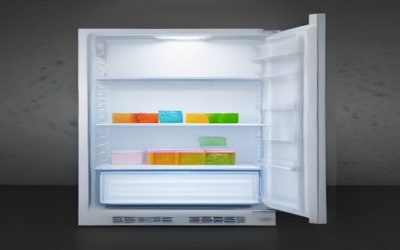
Freezerless compacts solve this. Every cubic foot goes to cold storage that actually gets used — canned drinks, wine bottles standing upright, cut fruit, condiments, meat waiting for the grill. This guide covers what genuinely matters when a fridge lives in a semi-outdoor space: ambient temperature tolerance, humidity behavior, defrost method, shelving that works for bottles, and noise you can live with when the only other sound is crickets. Below are the models worth your money in 2026, followed by the specs I’d check before clicking buy.
As an Amazon Associate we earn from qualifying purchases.


How to Choose a/an Mini Fridge No Freezer (2026)
- Ambient temperature range: Most compacts are rated for roughly 60–90°F. A shaded, covered porch usually stays inside that window; a sunroom in August does not. Check the manual’s climate class before committing to a spot, and never install one where it can catch rain or direct sun.
- Defrost method: Auto-defrost models handle humid air far better than manual-defrost units, which will frost over quickly on a muggy evening. If your space gets damp, treat auto-defrost as non-negotiable rather than a luxury.
- Shelf configuration: Glass shelves clean up easier than wire after a spill, and removable ones let you clear vertical space for tall bottles. Look for at least one adjustable shelf plus usable door bins.
- Door swing and clearance: Reversible doors are a genuine advantage in tight outdoor nooks where a railing or post dictates which way the door can open. Also leave a few inches of air gap behind and above the unit — compressors dump heat, and cramped cabinetry kills efficiency.
- Noise and power draw: Compressor cycling is more noticeable outdoors than in a busy kitchen. Prioritize quieter, Energy Star–rated models, and plug into a properly weather-rated GFCI outlet rather than an extension cord.
The Best Mini Fridge No Freezer (2026)s Reviewed
Smad 3.2 cu. ft. Mini Fridge
A well-balanced all-refrigerator with an adjustable thermostat and a reversible single door, which makes it easy to fit into an awkward corner of a covered deck or garden office. Quiet operation is its standout trait — it stays unobtrusive during evening gatherings, and the interior layout handles standing bottles better than most units at this size.
Magic Chef 3.2 Cu. Ft. Stainless Steel
The stainless finish is the draw here: it looks appropriate next to a grill station or outdoor bar cart and wipes down without showing every fingerprint. Build quality feels a step above the generic compacts, and the all-refrigerator interior gives you full-height access with no freezer shelf interrupting the space.
COWSAR 4.4 Cu. Ft. Dorm Fridge
At 4.4 cubic feet, this is the pick when you’re stocking for a crowd rather than a couple — think weekend cookouts where a case of drinks plus prep trays need to fit at once. Removable glass shelves and a reversible door keep it flexible, though its larger footprint needs planning in a narrow porch layout.
E-Star 3.3 Cu. Ft. Auto Defrost
Auto-defrost makes this the smartest choice for humid climates and shaded patios where condensation is a recurring headache. You get glass shelving and a reversible single door in a footprint that slides neatly under a counter or bar top.
BLACK+DECKER 3.2 Cu. Ft. BCRK32V
An Energy Star–certified workhorse from a brand with real service support, which matters when a unit runs year-round in a semi-conditioned space. The chiller compartment adds a genuinely useful cold zone without the frost-building drawbacks of a full freezer box.
Frequently Asked Questions
Can I keep a mini fridge on an open patio?
No. Standard compacts are indoor appliances. They need overhead cover, protection from rain and splash, and ambient temperatures within their rated range. A covered porch, screened room, or enclosed cabana is fine; an exposed deck is not.
Will it get cold enough in summer heat?
Inside the rated ambient range, yes, though the compressor runs longer and draws more power. Above roughly 90°F, cooling performance falls off and the unit works harder than it should. Shade and airflow around the cabinet do more for performance than any thermostat setting.
How do I stop condensation and musty smells?
Choose auto-defrost, avoid overpacking so air can circulate, and wipe the door gasket periodically. If the unit sits idle for weeks, leave the door slightly ajar to let it dry out.
Should I plug it into an outdoor extension cord?
Avoid it. Compressors draw a startup surge that thin extension cords handle poorly. Use a dedicated, weather-rated GFCI outlet, and skip power strips entirely.
Final Thoughts
For most covered outdoor spaces, the E-Star 3.3 Cu. Ft. is the smart default thanks to auto-defrost handling humidity that trips up cheaper units. The BLACK+DECKER BCRK32V is the reliability pick with strong efficiency and a useful chiller zone, while the COWSAR 4.4 Cu. Ft. earns its spot when entertaining volume matters more than a compact footprint.