Key takeaways
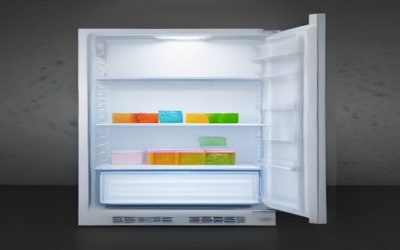
- Interior layout: Look for adjustable shelves, a wide usable cavity, and door storage that can hold bottles without wasting central shelf space.
- Capacity: Around 3 to 5 cubic feet suits drinks, snacks, and a few meal containers; larger capacities are better for shared spaces or longer stays.
- Temperature control: An adjustable thermostat helps accommodate changing room temperatures, while auto-defrost reduces maintenance.
- Placement: Leave ventilation space around the cabinet, keep it level, and confirm that the reversible door will open comfortably in your chosen corner.
- Outdoor suitability: Standard mini fridges are generally intended for indoor use, so use them in covered areas only when the manufacturer permits it and protect them from moisture and temperature extremes.
What's inside
Shopping for a compact refrigerator without a freezer sounds straightforward until you compare interior layouts, usable shelf space, noise levels, and door clearance. Many listings use “mini fridge” broadly, yet include a freezer compartment that reduces fresh-food capacity and can create unwanted frost-management chores.
This guide focuses on practical cold-storage performance for bedrooms, dorms, offices, guest spaces, workshops, and outdoor-adjacent living areas. We also flag products that include a freezer or exceed mini-fridge dimensions, so you can avoid buying a poor fit simply because the listing title sounds close.
As an Amazon Associate we earn from qualifying purchases.


How to Choose a Mini Fridge Without Freezer (2026)
- Interior layout: Look for adjustable shelves, a wide usable cavity, and door storage that can hold bottles without wasting central shelf space.
- Capacity: Around 3 to 5 cubic feet suits drinks, snacks, and a few meal containers; larger capacities are better for shared spaces or longer stays.
- Temperature control: An adjustable thermostat helps accommodate changing room temperatures, while auto-defrost reduces maintenance.
- Placement: Leave ventilation space around the cabinet, keep it level, and confirm that the reversible door will open comfortably in your chosen corner.
- Outdoor suitability: Standard mini fridges are generally intended for indoor use, so use them in covered areas only when the manufacturer permits it and protect them from moisture and temperature extremes.
The Best Mini Fridge Without Freezer (2026)s Reviewed
E-Star 3.3 Cu. Ft. Mini Fridge Without Freezer
The E-Star is the clearest match for buyers who want uncomplicated fresh-food storage. Its auto-defrost design, reversible single door, glass shelf, and compact footprint make it a practical choice for a bedroom, dorm, office, or sheltered recreational room where every inch matters.
COWSAR 4.4 Cu. Ft. Mini Fridge Without Freezer
With more capacity than the E-Star, the COWSAR gives drinks, produce, and meal containers extra breathing room without adding a freezer compartment. Removable glass shelves and an adjustable thermostat are particularly useful for flexible storage, while the black finish suits utility rooms and modern office spaces.
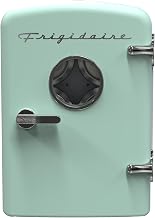
Frigidaire EFR840 Retro Mini Fridge
The Frigidaire EFR840 is appealing for style-led spaces, especially a home bar, office lounge, or dorm room with a retro theme. However, its freezer compartment means it is not a true no-freezer refrigerator, and the 3.2-cubic-foot layout offers less dedicated fresh-food space than the E-Star or COWSAR.
Antarctic Star Compact Mini Fridge
This double-door model offers a small freezer and adjustable thermostat in a compact 2.5-cubic-foot cabinet. It is worth considering when occasional frozen storage is useful, but shoppers specifically seeking a freezer-free interior should choose one of the single-door alternatives instead.
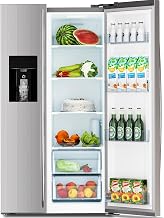
14.0 Cu. Ft. Convertible Freezer Fridge
This upright convertible appliance is a fundamentally different category from a mini fridge, with frost-free operation, electronic controls, and substantially more capacity. It makes sense for a garage, utility room, or larger household storage zone, but its footprint and energy demands are excessive for a bedside, dorm, or compact office setup.
Frequently Asked Questions
Is a mini fridge without a freezer better?
For fresh food and drinks, often yes. Removing the freezer compartment creates more usable refrigerator space and eliminates the small, cramped freezer box found in many compact two-door designs.
Can I use a mini fridge in a garage?
Only if the manufacturer supports garage placement and the surrounding temperatures remain within the stated operating range. Unheated garages can become too cold in winter or too hot in summer, which may affect cooling performance.
How much can a 3.3-cubic-foot fridge hold?
A unit this size usually handles beverages, snacks, dairy products, produce, and several prepared meals for one person. Storage depends heavily on shelf spacing and container shape, so measure your largest items before ordering.
Do mini fridges need ventilation?
Yes. Follow the clearance instructions supplied with the appliance, especially around the rear and sides. Crowding the compressor area can reduce efficiency, increase heat buildup, and shorten service life.
Final Thoughts
For a genuine freezer-free setup, the E-Star 3.3 Cu. Ft. Mini Fridge is the most space-conscious choice, while the COWSAR 4.4 Cu. Ft. Mini Fridge is the stronger pick when you need additional fresh-food capacity. Choose the Frigidaire or Antarctic Star only if a small freezer is welcome, and reserve the 14.0-cubic-foot convertible model for full-size utility storage rather than compact living.