Key takeaways
- Intended use: Air suspension, tire inflation, air tools, and air horns place different demands on a compressor. Define the job before comparing PSI figures.
- Airflow and pressure: Maximum PSI matters, but CFM and fill speed often matter more when inflating large truck tires or filling an air-suspension reservoir.
- Duty cycle: A higher duty cycle allows longer operating periods with less risk of thermal shutdown. This is especially important for repeated inflation at camp or on a work route.
- Tank and installation: A reservoir provides instant stored air, while a tankless unit saves room. Check mounting dimensions, hose length, power draw, and whether your vehicle can support the installation.
- Controls and protection: Look for reliable pressure switches, thermal protection, sealed connections, and convenient wired, wireless, or app-based controls suited to outdoor conditions.
What's inside
Choosing an onboard air compressor is less straightforward than picking up a compact tire pump. Truck owners need to match compressor output, tank capacity, duty cycle, wiring, and mounting space to the demands of air springs, trailers, tires, or air horns. A system that looks powerful on paper may still disappoint if it overheats, fills slowly, or lacks the controls your setup requires.
This guide approaches the decision from an outdoor-living perspective, where dependable equipment matters at campsites, trailheads, work sites, and roadside stops. We cover permanent onboard systems alongside heavy-duty portable inflators, then explain which options make the most sense for suspension support, general vehicle maintenance, and recreational use.
As an Amazon Associate we earn from qualifying purchases.



How to Choose an Onboard Air Compressor (2026)
- Intended use: Air suspension, tire inflation, air tools, and air horns place different demands on a compressor. Define the job before comparing PSI figures.
- Airflow and pressure: Maximum PSI matters, but CFM and fill speed often matter more when inflating large truck tires or filling an air-suspension reservoir.
- Duty cycle: A higher duty cycle allows longer operating periods with less risk of thermal shutdown. This is especially important for repeated inflation at camp or on a work route.
- Tank and installation: A reservoir provides instant stored air, while a tankless unit saves room. Check mounting dimensions, hose length, power draw, and whether your vehicle can support the installation.
- Controls and protection: Look for reliable pressure switches, thermal protection, sealed connections, and convenient wired, wireless, or app-based controls suited to outdoor conditions.
The Best Onboard Air Compressors (2026) Reviewed
RETRUE Onboard Air Compressor System
The RETRUE system is a practical starting point for truck owners adding or maintaining airbag suspension. Its broad vehicle compatibility makes it appealing for Ford, Chevrolet, GMC, and Ram applications, although buyers should confirm fittings, brackets, and electrical requirements before installation. It is best suited to a dedicated suspension setup rather than occasional campsite tire inflation.
Medium Duty 150 PSI Onboard Air System
This medium-duty kit stands out by including a 2.5-gallon tank, giving it useful stored-air capacity for air horns, suspension adjustments, and short bursts of accessory use. It is a more involved installation than a portable inflator, but the tank adds convenience when you want immediate air without waiting for the compressor to refill the system.
maXpeedingrods 120 PSI Onboard Air System
The maXpeedingrods system brings modern control options to trucks, pickups, trailers, and vans through wireless app and remote operation. That convenience is valuable when checking pressure around a loaded vehicle or camper, though users should still plan a careful installation with protected wiring and a dry, ventilated compressor location.
OlarHike 12000mAh Heavy-Duty Tire Inflator
Although it is portable rather than permanently mounted, this OlarHike is a useful companion for outdoor travel. Its dual-power design can run from a 12V connection or its rechargeable battery, making it practical for pickups, SUVs, RVs, and remote tire-pressure corrections where a fixed onboard system is unavailable.
ETENWOLF VORTEX S6 Tire Inflator
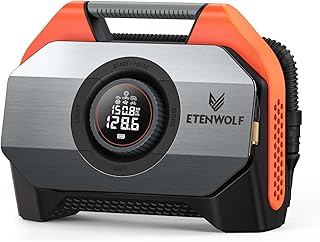
The VORTEX S6 is aimed at demanding portable use, with a large battery, dual-cylinder design, and a 100% duty-cycle claim. It makes sense for drivers who want strong, repeatable inflation capability without dedicating cargo space to a tank and compressor installation. The bright housing and LED backlight are also helpful around a dark campsite.
Frequently Asked Questions
Is an onboard compressor worth it for air suspension?
It can be, particularly if you adjust air springs frequently, tow varied loads, or want to level a vehicle at a campsite. A permanent system is faster and tidier than carrying a loose inflator, but it requires proper plumbing, electrical protection, and mounting.
What PSI should a truck compressor provide?
For many tire and suspension tasks, 120 to 150 PSI is a useful range. However, the vehicle’s recommended tire pressure, the suspension manufacturer’s limits, and the compressor’s airflow should guide the decision rather than maximum PSI alone.
Can a portable inflator replace an onboard system?
For emergency tire inflation and occasional recreational use, yes. Portable models are easier to store and move between vehicles. They are less convenient for frequent suspension adjustments, air horns, or applications that benefit from a dedicated tank and automatic pressure control.
Where should an onboard compressor be mounted?
Choose a solid location protected from road spray, mud, excessive heat, and direct water exposure. Leave room for ventilation and service access, and route wiring and air lines away from sharp edges, exhaust components, and suspension movement.
Final Thoughts
The RETRUE system is a sensible pick for truck airbag suspension, while the medium-duty 150 PSI kit is more attractive when a tank and air-horn capability are priorities. For flexible outdoor travel without permanent installation, the ETENWOLF VORTEX S6 offers the strongest portable-oriented package, with the OlarHike 12000mAh inflator providing a versatile alternative for mixed vehicle and RV use.