Key takeaways
- Power output: Match running watts to essential appliances, then allow extra capacity for refrigerators, pumps, compressors, and other motors that draw more power during startup.
- Fuel flexibility: Dual-fuel models can run on gasoline or propane, giving you more options during an outage. Confirm the expected propane output, since wattage often changes between fuels.
- Generator type: Inverter generators generally produce cleaner power and operate more quietly, making them better suited to electronics, campsites, and close neighbors. Conventional open-frame units often deliver more capacity for the money.
- Connection options: Look for useful outlets such as 30-amp RV receptacles, 120/240-volt connections, and transfer-switch readiness if you plan to power selected household circuits.
- Convenience and safety: Electric or remote start, low-oil shutdown, carbon-monoxide monitoring, ECO mode, and manageable wheel-and-handle designs can make regular use safer and less tiring.
What's inside
A portable propane generator can keep a refrigerator cold, a sump pump running, and essential lights on when the grid goes down—but choosing the right one is rarely straightforward. Output claims, fuel flexibility, noise, startup features, and outlet selection all affect whether a generator feels dependable at home, at a campsite, or beside an RV.
This guide compares highly rated portable options for different outdoor-living needs, from whole-home backup to quieter weekend camping. We focus on practical details such as propane compatibility, inverter performance, portability, emergency readiness, and the features that matter after the first few hours of operation.
As an Amazon Associate we earn from qualifying purchases.


How to Choose a Rated Portable Propane Generator (2026)
- Power output: Match running watts to essential appliances, then allow extra capacity for refrigerators, pumps, compressors, and other motors that draw more power during startup.
- Fuel flexibility: Dual-fuel models can run on gasoline or propane, giving you more options during an outage. Confirm the expected propane output, since wattage often changes between fuels.
- Generator type: Inverter generators generally produce cleaner power and operate more quietly, making them better suited to electronics, campsites, and close neighbors. Conventional open-frame units often deliver more capacity for the money.
- Connection options: Look for useful outlets such as 30-amp RV receptacles, 120/240-volt connections, and transfer-switch readiness if you plan to power selected household circuits.
- Convenience and safety: Electric or remote start, low-oil shutdown, carbon-monoxide monitoring, ECO mode, and manageable wheel-and-handle designs can make regular use safer and less tiring.
The Best Rated Portable Propane Generator (2026)s Reviewed
DuroStar DS13000MX
The DuroStar DS13000MX is the heavy-duty choice for homeowners who need substantial backup capacity, with dual-fuel operation, remote electric start, and transfer-switch readiness. Its large frame is better suited to driveway use than campsite travel, but the high output is compelling for essential circuits and demanding appliances.
Westinghouse 12500-Watt Dual Fuel Generator
This Westinghouse combines strong home-backup capability with gas-and-propane flexibility and remote starting. It is a practical fit for users who want serious emergency power without moving up to a permanently installed standby system, provided they have a suitable, well-ventilated operating location.
Westinghouse 5000-Watt Super Quiet Inverter
The 5000-watt Westinghouse inverter generator is a balanced option for RV owners and households that prioritize quieter operation. Its CO sensor, remote start, RV-ready design, ECO mode, and parallel capability add useful flexibility, while the inverter architecture is well suited to sensitive electronics.
Oxseryn Power Equipment 4400-Watt Inverter
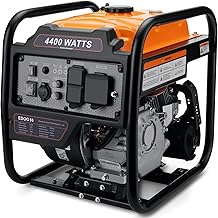
Oxseryn’s 4400-watt open-frame inverter generator targets buyers who want useful camping and emergency-backup capacity without a very large footprint. ECO mode and a low-noise design help conserve fuel and reduce disturbance, though shoppers should verify propane compatibility before purchase because this listed model is described as gasoline powered.
ERAYAK 4500W Portable Inverter Generator
The ERAYAK 4500W is a compact, quieter gasoline generator aimed at camping, outdoor projects, and limited emergency loads. Its ECO mode and inverter design are attractive for efficient operation, but it should not be treated as a propane model unless the manufacturer’s current specifications explicitly confirm dual-fuel support.
Frequently Asked Questions
How much power does a portable propane generator provide?
Output varies by model and fuel. Many generators produce slightly less power on propane than gasoline, so size the unit using its published propane running and starting wattage rather than its gasoline maximum.
Can a portable generator power an entire house?
Large models may support many essential household circuits, but safe whole-home connection requires a properly installed transfer switch or approved interlock handled by a qualified electrician. Never connect a generator directly to a wall outlet.
Are inverter generators better for camping?
Often, yes. Inverter models typically run more quietly and provide stable electricity for laptops, televisions, chargers, and other sensitive equipment. Conventional generators can still be preferable when maximum output and lower purchase cost matter more than noise.
Where should a propane generator operate?
Use it outdoors, well away from doors, windows, vents, and enclosed structures. Keep it dry, place it on a stable surface, and use working carbon-monoxide alarms inside the home. Propane cylinders should remain upright and connected according to the manufacturer’s instructions.
Final Thoughts
For substantial household backup, the DuroStar DS13000MX and Westinghouse 12500-watt model are the strongest contenders. For quieter RV trips and lighter emergency duty, the Westinghouse 5000-watt inverter is the more versatile pick; just confirm fuel specifications carefully when considering gasoline-only alternatives.