Key takeaways
- Capacity: Choose based on household size and storage habits; a 14- to 18-cubic-foot model suits many homes, while compact units work better for offices, cabins, and secondary kitchens.
- Placement: Measure the opening, door-swing area, stairways, and ventilation clearance before buying, especially for a garage or enclosed outdoor-living space.
- Temperature control: Separate refrigerator and freezer controls help protect fresh food when seasonal temperatures fluctuate.
- Power and efficiency: Look for frost-free operation and ENERGY STAR certification where available, but remember that a refrigerator in a hot garage may consume more electricity.
- Convenience features: Reversible doors, adjustable shelves, quiet operation, and easy-clean finishes often matter more than dispensers or connected features.
What's inside
For outdoor-minded households, a refrigerator without an ice maker can be a surprisingly practical choice. Fewer water lines, fewer failure points, and more usable freezer space make these models well suited to garages, workshops, cabins, rental properties, and kitchens where ice is made separately. The challenge is separating genuinely useful simplicity from a refrigerator that merely lacks features.
This guide compares full-size, apartment-size, and compact options for 2026, with attention to capacity, temperature control, door flexibility, energy use, noise, and placement. Some refrigerators in this category may offer optional or model-dependent ice-making features, so confirm the current listing details before ordering.
As an Amazon Associate we earn from qualifying purchases.


How to Choose a Refrigerator Without an Ice Maker (2026)
- Capacity: Choose based on household size and storage habits; a 14- to 18-cubic-foot model suits many homes, while compact units work better for offices, cabins, and secondary kitchens.
- Placement: Measure the opening, door-swing area, stairways, and ventilation clearance before buying, especially for a garage or enclosed outdoor-living space.
- Temperature control: Separate refrigerator and freezer controls help protect fresh food when seasonal temperatures fluctuate.
- Power and efficiency: Look for frost-free operation and ENERGY STAR certification where available, but remember that a refrigerator in a hot garage may consume more electricity.
- Convenience features: Reversible doors, adjustable shelves, quiet operation, and easy-clean finishes often matter more than dispensers or connected features.
The Best Refrigerator Without an Ice Maker (2026)s Reviewed
KoolMore 14 Cu. Ft. Top Freezer Refrigerator
The KoolMore 28-inch top-freezer refrigerator is a balanced pick for a garage, utility room, or smaller main kitchen. Its full-size layout provides sensible separation between fresh and frozen food without adding the plumbing and maintenance demands associated with an ice-and-water dispenser.
BLACK+DECKER 16.4 Cu. Ft. Top Mount Refrigerator
With 16.4 cubic feet of storage, the BLACK+DECKER BR1640KW is a strong choice for apartments and family kitchens that need generous capacity at a manageable width. Separate temperature controls and auto-defrost operation make it straightforward to live with, while the white finish fits a bright, practical utility space.
Upstreman 14.6 Cu. Ft. Frost-Free Refrigerator
The Upstreman BD146 combines a useful full-size capacity with an electronic thermostat, reversible door, and low-noise design. It is especially appealing for a garage or cabin where dependable everyday storage matters more than a built-in dispenser, though buyers should verify the exact configuration and clearance requirements.
Upstreman 7.7 Cu. Ft. Double-Door Refrigerator
For a dorm, office, studio apartment, or compact guest space, the Upstreman BD75 keeps the footprint modest while still providing a separate freezer compartment. Its adjustable thermostat and reversible door offer welcome flexibility when the refrigerator must fit around shelving, counters, or a narrow entry.
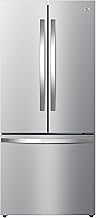
Kenmore 17.5 Cu. Ft. French Door Refrigerator
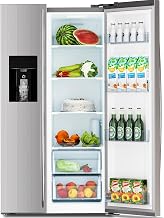
The Kenmore 30-inch French-door model gives you broad fresh-food access at eye level, making it convenient for frequent cooking and large platters. Its stainless-steel design suits a primary kitchen, but shoppers seeking a strictly ice-maker-free setup should confirm the current configuration before purchase.
Frequently Asked Questions
Why choose a refrigerator without an ice maker?
The simpler design can reduce plumbing requirements, potential leaks, repair concerns, and energy use associated with automatic ice production. It also leaves more room for food or allows you to use a separate countertop ice maker when needed.
Can I use one in a garage or cabin?
Yes, provided the location stays within the manufacturer’s recommended operating range and has a suitable grounded outlet. Extreme heat or cold can affect compressor performance, so an insulated, sheltered area is preferable to an exposed outdoor location.
Are top-freezer refrigerators more practical than French-door models?
Top-freezer designs usually offer strong value, a compact footprint, and efficient access to frozen food. French-door models provide wider refrigerator shelves and easier access to large containers, but they generally cost more and require more door clearance.
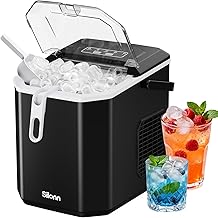
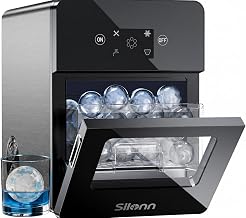
What should I do if I still want ice?
A countertop or portable ice maker lets you produce ice only when needed and replace the appliance independently if it fails. Traditional ice trays remain the lowest-cost option and require no additional plumbing or electrical load.
Final Thoughts
For a versatile full-size choice, the KoolMore 14 Cu. Ft. model is well suited to garages and secondary kitchens, while the BLACK+DECKER 16.4 Cu. Ft. refrigerator offers more room for apartment or family use. Choose the Upstreman BD75 when space is tight, and always verify the exact ice-maker configuration, dimensions, and installation clearances before ordering.