Key takeaways
- Durability: Choose a tightly woven fabric that can handle sliding, sitting, and frequent cleaning. A heavier hand generally provides better resistance to early thinning.
- Cleanability: For busy kitchens, families, or outdoor-adjacent dining spaces, favor polyester blends and smooth weaves that release crumbs and wipe-downs more easily.
- Weight and stretch: Medium-to-heavy upholstery cloth is easier to pull neatly over a seat. Avoid very stretchy fabric unless you are comfortable managing wrinkles and uneven tension.
- Color and light: Navy, charcoal, and sand shades hide everyday marks, while lighter tones brighten a room. Consider how direct sun may alter the appearance over time.
- Quantity: Measure the seat, add generous allowance for folding underneath, and account for pattern direction. Ordering extra fabric is safer than discovering a shortfall mid-project.
What's inside
Dining chairs live in a demanding zone of the home: they face spilled drinks, crumbs, sunlight, and the constant friction of everyday meals. The best upholstery fabric needs to look inviting while standing up to repeated use—and it must be workable for a home reupholstery project without becoming stiff, frustrating, or wasteful.
This guide compares practical chair-covering fabrics with an outdoor-living mindset: durability, cleanability, comfort, and performance in changing light all matter. The selections below include faux linen, polyester blends, heavy linen, and jacquard options, so you can match the material to your dining area, household, and DIY skill level.
As an Amazon Associate we earn from qualifying purchases.



How to Choose an Upholstery Fabric For Dining Chairs (2026)
- Durability: Choose a tightly woven fabric that can handle sliding, sitting, and frequent cleaning. A heavier hand generally provides better resistance to early thinning.
- Cleanability: For busy kitchens, families, or outdoor-adjacent dining spaces, favor polyester blends and smooth weaves that release crumbs and wipe-downs more easily.
- Weight and stretch: Medium-to-heavy upholstery cloth is easier to pull neatly over a seat. Avoid very stretchy fabric unless you are comfortable managing wrinkles and uneven tension.
- Color and light: Navy, charcoal, and sand shades hide everyday marks, while lighter tones brighten a room. Consider how direct sun may alter the appearance over time.
- Quantity: Measure the seat, add generous allowance for folding underneath, and account for pattern direction. Ordering extra fabric is safer than discovering a shortfall mid-project.
The Best Upholstery Fabric For Dining Chairs (2026)s Reviewed
TinaKim Thick Faux Linen Upholstery Fabric
TinaKim’s thick faux linen in Grey Blue is a versatile choice for dining seats that need a relaxed, woven appearance without the upkeep of delicate natural linen. Its substantial feel should make it easier to staple smoothly around corners, while the muted blue-grey shade works well with wood, black metal, and weathered finishes.
Faux Linen Needlework Fabric, 3.3 Yards
This generous 3.3-yard roll is appealing when you are recovering several chairs or want matching fabric for a bench and cushions. The Grey Blue color and linen-like surface bring casual texture to a dining set, though the expansive cut is best suited to buyers who have measured carefully and want useful project surplus.
LaSilk Premium Faux Linen Upholstery Fabric
LaSilk’s Navy Blue faux linen has a polished, deeper tone that can anchor a bright dining room or complement pale timber. At 57 inches wide, it offers useful working room for chair seats and coordinated pillow or bench projects, while its thicker construction gives the finished upholstery a more tailored appearance.
11OZ Polyester Blend Upholstery Sewing Fabric
The khaki 11-ounce polyester blend is a practical pick for high-traffic dining areas where resilience matters more than a highly decorative finish. Its neutral color suits farmhouse, coastal, and outdoor-inspired interiors, and the 57-inch width can simplify layout when cutting multiple seat panels from the same length.
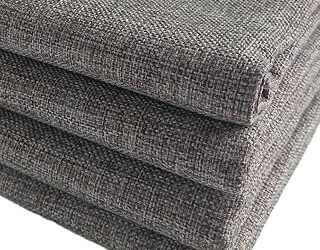
Heavy Linen Fabric, 80 x 57 Inches
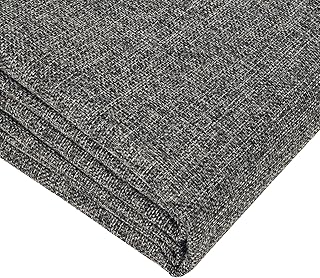
This Dark Grey heavy linen offers a more authentic textile character, with a 1.2mm thickness and plain surface that feels substantial beneath the hand. It is a strong option for a natural, understated dining look, although linen can require more care than synthetic blends, so it is best for households prepared to blot spills promptly.
Frequently Asked Questions
What is the best fabric for dining chair seats?
For most homes, a tightly woven polyester blend or thick faux linen offers the best balance of durability, appearance, and manageable maintenance. Choose a heavier fabric when the chairs receive daily use.
How much fabric do I need for one dining chair?
Many standard seats can be covered with roughly half a yard, but chair shape and pattern direction make a precise answer impossible. Measure the seat’s length and width, add enough to wrap beneath the frame, and include extra for mistakes.
Is faux linen suitable for reupholstering chairs?
Yes. Faux linen provides the textured look of linen while typically offering more consistent behavior and easier handling. It is especially useful for DIY projects where a stable, medium-weight material is preferable.
How should upholstered dining chairs be cleaned?
Vacuum or brush away loose debris, then blot small spills with a clean, lightly damp cloth. Always check the fabric’s care guidance first, and test any cleaner on an inconspicuous area before treating the visible surface.
Final Thoughts
For an adaptable everyday finish, TinaKim Thick Faux Linen is a well-rounded choice. LaSilk Premium Faux Linen is the stronger style pick for a richer navy statement, while the 11OZ Polyester Blend stands out when practical wear resistance and easy coordination are the priorities.