Key takeaways
- Durability: Choose a tightly woven textile or substantial faux leather for busy kitchens, family dining areas, and chairs that are frequently moved between indoor and outdoor entertaining spaces.
- Cleanability: Smooth surfaces generally wipe clean fastest, while textured fabrics can disguise small marks but may hold crumbs and spills in their weave.
- Comfort: Chenille and linen-look fabrics offer a softer, warmer feel than vinyl-style materials, especially when guests sit for extended meals.
- Color and fading: Navy, grey blue, sand, and beige are forgiving choices, but chairs positioned in direct sun still benefit from window protection and occasional rotation.
- Fabric quantity: Measure every seat, add extra for pattern matching and mistakes, and check whether the listing sells a fixed cut or fabric by the yard before ordering.
What's inside
Dining chairs take a surprising amount of punishment: everyday meals, muddy hands after time outdoors, spilled drinks, and strong sunlight near a patio door. The right upholstery fabric can make an old set feel intentional again, while the wrong choice may show stains, fray at the corners, or feel uncomfortable after a long meal.
This guide compares practical fabrics for dining-room chair seats and backs, with an outdoor-living specialist’s eye for cleanability, abrasion resistance, comfort, and fade exposure. It covers linen-look textiles, chenille, jacquard, and faux leather so you can match the material to your household, dining habits, and chair design.
As an Amazon Associate we earn from qualifying purchases.


How to Choose an Upholstery Fabric For Dining Room Chairs (2026)
- Durability: Choose a tightly woven textile or substantial faux leather for busy kitchens, family dining areas, and chairs that are frequently moved between indoor and outdoor entertaining spaces.
- Cleanability: Smooth surfaces generally wipe clean fastest, while textured fabrics can disguise small marks but may hold crumbs and spills in their weave.
- Comfort: Chenille and linen-look fabrics offer a softer, warmer feel than vinyl-style materials, especially when guests sit for extended meals.
- Color and fading: Navy, grey blue, sand, and beige are forgiving choices, but chairs positioned in direct sun still benefit from window protection and occasional rotation.
- Fabric quantity: Measure every seat, add extra for pattern matching and mistakes, and check whether the listing sells a fixed cut or fabric by the yard before ordering.
The Best Upholstery Fabric For Dining Room Chairs (2026)s Reviewed
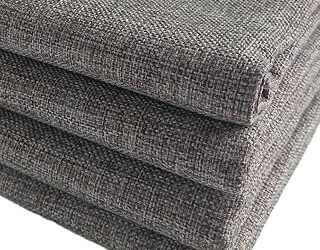
TinaKim Thick Faux Linen Fabric
TinaKim’s thick faux linen fabric is a versatile choice for standard dining-chair seats, particularly when you want a relaxed, lightly rustic look. Its grey-blue color should work well with natural wood, white-painted frames, and casual coastal interiors, while the two-yard cut gives many small projects useful working room.
Faux Linen Needlework Fabric
This large grey-blue faux linen cloth is appealing for a multi-chair refresh or a coordinated table-and-chair project. The generous 3.3-yard length can reduce the need to join separate pieces, although careful measuring is still important if your seats are wide or have patterned layouts.
LaSilk Premium Faux Linen Upholstery Fabric
LaSilk offers a more tailored navy-blue option with a 57-inch width and a thicker faux-linen construction. The deep color is practical for dining areas that see frequent use, and it can bring useful visual weight to pale walls or light chair frames; however, one yard is best suited to a small project rather than a full dining set.
Premium Chenille Upholstery Fabric
This linen-colored chenille is the comfort-focused pick in the group. Its soft, raised texture can make firm dining seats feel more welcoming and adds depth to simple chairs, though textured upholstery deserves prompt attention after spills and regular vacuuming around seams.
Damask Upholstery and Drapery Jacquard
The sand Damask jacquard is the decorative choice for formal dining chairs, host chairs, or a room that needs a stronger pattern. Jacquard construction can provide a substantial, furniture-grade feel and camouflage minor marks, but measure carefully around motifs so the finished chairs look balanced rather than randomly cropped.
Frequently Asked Questions
What is the best fabric for dining-room chair seats?
For most homes, a tightly woven faux linen or chenille offers the best balance of appearance, comfort, and everyday practicality. Faux leather is easier to wipe down, making it attractive for households with young children or frequent entertaining.
Is faux linen durable enough for dining chairs?
It can be, especially when the fabric is thick and tightly woven, but durability varies by product. Inspect the weave, reinforce high-stress corners during installation, and avoid dragging chairs across rough floors or decks.
Can I use outdoor fabric on indoor dining chairs?
Yes. Outdoor-rated fabric can be a sensible indoor choice when chairs face intense sunlight, pets, or frequent spills. It may feel slightly less soft than indoor upholstery, so use a good seat cushion and consider the room’s comfort needs.
How much fabric do I need to reupholster a dining chair?
A typical dining seat often requires about half a yard or less, but chair backs, thick padding, pattern matching, and repeat mistakes can increase the total. Measure the widest and longest parts, add several inches on every side, and buy extra for a first-time project.
Final Thoughts
For an easygoing dining makeover, TinaKim’s grey-blue faux linen is a strong all-purpose pick. Choose LaSilk’s navy faux linen for a deeper, more tailored finish, or the chenille fabric when softness and visual texture matter most. If statement style leads the decision, the sand Damask jacquard brings the greatest decorative impact.