Key takeaways
- Clean before applying oil or sealer; finishing over grime locks in a poor result.
- Use a soft brush, not steel wool or a stiff wire brush.
- Keep cushions off the furniture until every surface and joint is fully dry.
- Store or cover teak with breathable protection during long periods of wet or freezing weather.
What's inside
- Our Recommended Picks
- 1. Choose the Right Day and Prepare the Area
- 2. Clean Teak Without Damaging the Grain
- 3. Rinse Thoroughly and Let the Wood Dry
- 4. Decide Whether to Oil, Seal, or Leave It Natural
- 5. Treat Stains and Neglected Furniture Carefully
- Tips
- Frequently Asked Questions
- Conclusion
- Related Articles
- Related Guides
Teak patio furniture is built for outdoor life, but even naturally durable wood needs sensible care. Dust, pollen, food spills, mildew, bird mess, and weathered oils can leave the surface dull or uneven. The wrong cleaner—or an overly aggressive scrubbing routine—can roughen the grain and shorten the life of the finish.
- Our Recommended Picks
- 1. Choose the Right Day and Prepare the Area
- 2. Clean Teak Without Damaging the Grain
- 3. Rinse Thoroughly and Let the Wood Dry
- 4. Decide Whether to Oil, Seal, or Leave It Natural
- 5. Treat Stains and Neglected Furniture Carefully
- Tips
- Frequently Asked Questions
- Conclusion
- Related Articles
- Related Guides
This guide explains the best way to clean teak patio furniture in 2026, from choosing a suitable product to rinsing, drying, and deciding whether to apply oil or sealer. It also covers when a simple wash is enough, how to handle neglected teak, and which care products are worth considering for regular outdoor maintenance.
As an Amazon Associate we earn from qualifying purchases at no extra cost to you. Product prices and availability are accurate as of the date shown and are subject to change.



🛒 Best Price Today on Amazon
Prime members get fast, free shipping on everything above, plus member-only deals. New members get a 30-day free trial — cancel anytime.
Our Recommended Picks
For an all-in-one approach, the Furniture Clinic Teak Care Kit combines cleaner, brightener, and oil in one system. It is a practical choice when furniture needs more than a surface rinse and you want products designed to work in sequence. Bayes High Performance Teak Cleaner & Restorer is another useful option for furniture that has lost its brightness or has been left outside for a long period.
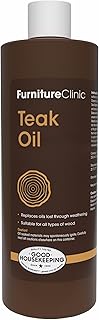
For straightforward cleaning, Furniture Clinic Teak Cleaner and STAR BRITE Premium Outdoor Teak Cleaner are focused choices. If you specifically want to condition the wood afterward, Furniture Clinic Teak Oil provides a natural matte finish. EcoDecors Teak Cleaner & Teak Sealer Kit is worth considering when sealing is part of your maintenance plan, particularly for mixed hardwood outdoor furniture.
1. Choose the Right Day and Prepare the Area
Clean teak on a mild, overcast day if possible. Strong, direct sun can dry cleaner onto the surface before you have rinsed it away, while cold weather slows drying. Move cushions, rugs, and nearby metal accessories out of the splash zone. Put the furniture on a surface where runoff will not damage plants, unfinished masonry, or painted decking.
Start by brushing away loose dirt with a soft-bristle brush or wiping the furniture with a damp cloth. Read the product label before mixing or applying anything; teak cleaners vary in strength and instructions. Wear gloves, protect surrounding surfaces, and test the solution on a hidden area first.
2. Clean Teak Without Damaging the Grain
Wet the furniture with clean water, then apply the teak cleaner according to its instructions. Work on one manageable section at a time so the solution stays evenly distributed. Use a soft or medium-soft brush and scrub with the grain rather than making tight, aggressive circles. This lifts grime while reducing the risk of visible scratches and a fuzzy surface.
Do not use a pressure washer on teak patio furniture. Even a relatively modest setting can drive water into joints, remove soft wood unevenly, and leave ridges that become more noticeable after drying. Avoid chlorine bleach, harsh household degreasers, and abrasive scouring pads unless the furniture manufacturer specifically permits them.
3. Rinse Thoroughly and Let the Wood Dry
Rinse until the water runs clear and no slippery cleaner remains in the joints, slats, or underside of the frame. Residue can create streaks, attract dirt, or interfere with a later oil or sealer application. Use a gentle hose stream rather than a concentrated jet, and wipe away standing water from horizontal surfaces.
Allow the furniture to dry completely in a well-ventilated spot. Depending on the weather and the thickness of the wood, this may take a full day or longer. Do not apply oil or sealer while the teak is damp. Trapped moisture can produce an uneven appearance and prevent the product from bonding as intended.
4. Decide Whether to Oil, Seal, or Leave It Natural
Fresh teak typically has a warm honey-gold color. Outdoors, sunlight and weather gradually turn it silver-gray. That change is normal and does not mean the wood is failing. If you like the silvered look, cleaning and occasional rinsing may be all the care required.
Use teak oil when you want to deepen the color and maintain a more recently finished appearance. Apply a thin, even coat only to clean, dry wood, then wipe away excess according to the label. Too much oil can leave a tacky surface that attracts dust and may encourage mildew in damp conditions. Furniture Clinic Teak Oil is designed for this type of conditioning and has a natural matte finish.
A sealer is a different choice: it is intended to help limit staining and reduce oil loss without requiring repeated oiling. Follow the manufacturer’s recoat schedule, and never combine products casually. Cleaner, brightener, oil, and sealer should be used in the order recommended by their makers.
5. Treat Stains and Neglected Furniture Carefully
Fresh spills should be blotted promptly rather than rubbed deeper into the grain. For gray, dirty, or neglected teak, a cleaner-restorer or a two-step cleaner and brightener can provide a more even result than ordinary soap. Products such as the Bayes cleaner-restorer or the Furniture Clinic Teak Care Kit are intended for this type of deeper refresh.
Severe black marks, embedded mildew, or uneven discoloration may need more than one gentle treatment. Let the wood dry between attempts so you can judge the result accurately. If the surface has splinters, deep cracks, or badly raised grain, light sanding may be appropriate—but use fine sandpaper, sand with the grain, and remove all dust before applying any finish.
Tips
- Clean before applying oil or sealer; finishing over grime locks in a poor result.
- Use a soft brush, not steel wool or a stiff wire brush.
- Keep cushions off the furniture until every surface and joint is fully dry.
- Store or cover teak with breathable protection during long periods of wet or freezing weather.
Frequently Asked Questions
How often should teak patio furniture be cleaned?
For most outdoor settings, a thorough clean once or twice a year is sufficient, with quick rinses as needed. Clean more often if the furniture sits beneath trees, near a pool, or in a dusty or coastal environment.
Can I use dish soap on teak furniture?
A small amount of mild dish soap can handle light surface dirt, but it may not remove weathering, mildew staining, or absorbed grime. For a deeper clean, use a product labeled for teak or outdoor wood and follow its directions.
Should I sand teak before cleaning?
Usually not. Cleaning should come first because sanding a dirty surface can press grit into the grain. Consider light sanding only after the furniture is clean and dry, and only if the grain is rough or the finish is uneven.
Why does teak turn gray outdoors?
Ultraviolet light and repeated wetting gradually weather the surface oils, changing golden-brown teak to silver-gray. This is a natural aging process, not necessarily damage. Oil can restore a warmer appearance, but it will require periodic renewal.
Conclusion
The best way to clean teak patio furniture is gentle and methodical: remove loose dirt, use a teak-safe cleaner, scrub with the grain, rinse completely, and allow the wood to dry before deciding on oil or sealer. With modest seasonal care and sensible protection from prolonged moisture, teak can remain sturdy, comfortable, and attractive for many years—whether you prefer its original warm tone or its naturally weathered silver finish.